
Most homeowners assume that store-bought furniture gives them the most flexibility, since you can swap it out whenever you want. But that assumption overlooks something important: a well-designed built-in can actually give your entryway more function, more storage, and more lasting appeal than any off-the-shelf piece ever could. Built-in furniture offers unique benefits for entryways and overall home functionality that freestanding options simply cannot match. In this article, we’ll walk you through what built-ins are, why Maryland homeowners are choosing them, what to watch out for, and how to get started on a project that actually fits your life.
Table of Contents
- What are built-in furniture solutions?
- Key advantages of opting for built-in furniture
- Considerations before installing built-in entryway furniture
- Built-in furniture in Maryland homes: Trends and inspiration
- Why built-ins aren’t always the right choice—and what most guides miss
- Get expert help designing your Maryland entryway
- Frequently asked questions
Key Takeaways
| Point | Details |
|---|---|
| Built-ins optimize space | Built-in furniture can make entryways feel larger and more organized. |
| Planning is essential | Proper design and professional installation prevent costly mistakes. |
| Trends affect long-term value | Choosing timeless designs helps avoid dated looks and difficult removals. |
| Custom boosts home appeal | Tailored built-ins impress buyers and enhance daily living. |
| Local inspiration matters | Maryland trends provide practical and stylish ideas for entryways. |
What are built-in furniture solutions?
Built-in furniture is exactly what it sounds like: furniture that is permanently attached to your home’s structure. Unlike a freestanding bench or a store-bought coat rack, built-ins are constructed as part of the room itself. They sit flush against walls, fit into corners, and are often custom-sized to use every inch of available space.
For entryways, built-ins typically include:
- Bench seating with storage underneath for shoes and seasonal gear
- Cubbies and lockers for each family member’s coats, bags, and sports equipment
- Open shelving for decorative items or everyday essentials
- Hooks and hanging systems integrated directly into the cabinetry
- Drawers and closed cabinets for items you’d rather keep out of sight
The contrast with freestanding furniture is significant. A freestanding hall tree might look great in a showroom, but it wobbles, collects dust behind it, and rarely fits your wall perfectly. A built-in, on the other hand, becomes part of your home’s architecture.
That said, built-ins are designed for durability and efficient use of space, but they do require careful planning before you commit. You’ll need to think about your layout, your household’s daily habits, and your long-term goals for the space. Exploring custom furniture solutions early in the process helps you understand what’s possible before you make any decisions.
The key takeaway here is that built-ins aren’t just furniture. They’re an investment in how your home works every single day.
Key advantages of opting for built-in furniture
Understanding the types of built-ins leads us to their real-life advantages and how they stack up against traditional pieces.
Space efficiency is the most obvious win. Built-ins use vertical wall space that freestanding furniture ignores entirely. In a narrow Maryland entryway, that can mean the difference between a cluttered, cramped entry and one that feels organized and welcoming.
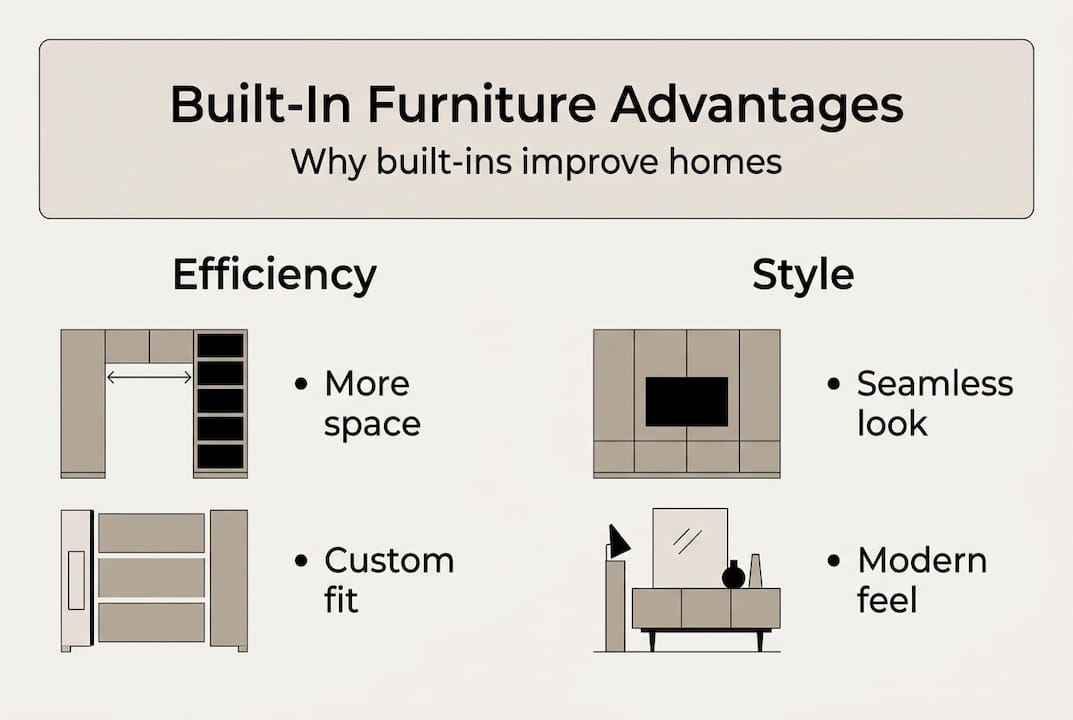
Here’s how built-ins compare to store-bought options:
| Feature | Built-in furniture | Store-bought furniture |
|---|---|---|
| Fit to your space | Perfect, custom-sized | Approximate, often off |
| Storage capacity | Maximized | Limited by standard sizes |
| Home value impact | Positive | Minimal |
| Aesthetic consistency | Seamless | Varies by piece |
| Longevity | Decades | 5 to 10 years typically |
The top advantages Maryland homeowners report after installing built-in entryway furniture:
- Dramatically more storage without sacrificing floor space
- A cleaner, more polished look that impresses guests immediately
- Higher resale appeal because buyers see built-ins as premium features
- Reduced daily clutter because every item has a dedicated spot
- Personalized organization that matches how your family actually lives
Built-ins maximize storage and can be customized for unique entryway needs in ways that generic furniture simply cannot replicate. When you work with craftspeople who specialize in custom furniture masterpieces, the result reflects your home’s specific dimensions and your family’s real routines.
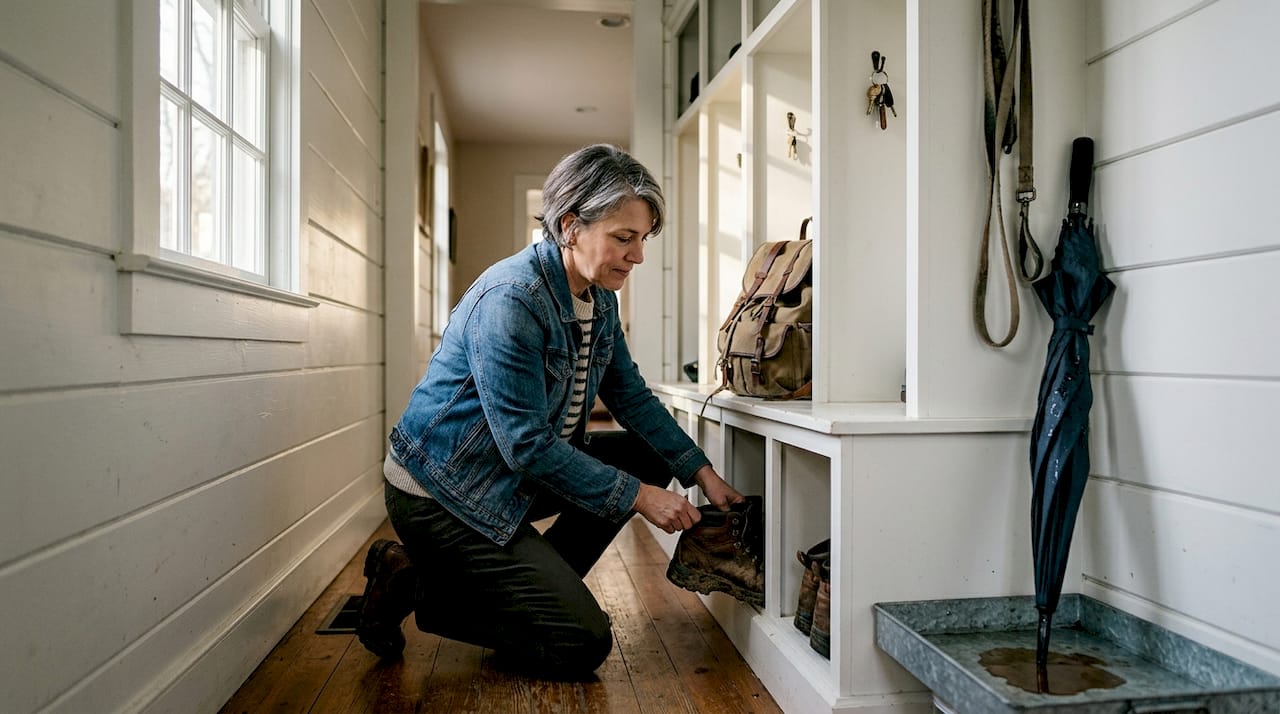
Pro Tip: Before your consultation, photograph your entryway at different times of day and note what items tend to pile up. This gives your designer a realistic picture of your storage needs rather than an idealized version.
Considerations before installing built-in entryway furniture
Having seen the benefits, it’s crucial to weigh practical factors before committing to a built-in project.
Built-ins are not a weekend project. They require professional design, skilled installation, and a clear plan from the start. Rushing into a built-in without thinking it through is one of the most common and costly mistakes Maryland homeowners make.
Here are the key factors to address before you begin:
- Budget realistically. Custom built-ins cost more upfront than store-bought furniture. Expect to invest in quality materials and skilled labor, and treat it as a long-term home improvement rather than a furniture purchase.
- Plan for your timeline. From design approval to final installation, a built-in project can take several weeks. Build that into your schedule, especially if you’re preparing for a home sale or a family event.
- Choose timeless designs over trendy ones. Trendy styles can look dated within a few years, and updating a built-in is far more involved than swapping out a freestanding piece.
- Think about future needs. A built-in designed for a family with young children may not work as well when those kids are teenagers with different gear and habits.
“The biggest regret we hear from homeowners isn’t that they chose built-ins. It’s that they didn’t think carefully enough about the design before installation began.”
Professional installation and planning are crucial to avoid drawbacks like dated looks and costly removals down the road. Working with experienced professionals in planning custom installations helps you avoid the most common pitfalls.
Pro Tip: Ask your designer to show you examples of projects from five or more years ago. If those built-ins still look fresh and relevant, that’s a strong sign the designer prioritizes timeless craftsmanship over passing trends.
Built-in furniture in Maryland homes: Trends and inspiration
Before you start, it’s helpful to see what others are doing locally and how Maryland design influences custom built-ins.
Maryland homeowners tend to favor entryway built-ins that balance practicality with warmth. The state’s mix of older colonial homes, suburban townhouses, and modern new builds means there’s no single dominant style. But a few clear trends have emerged in recent years.
| Built-in style | Best suited for | Key feature |
|---|---|---|
| Mud locker systems | Families with kids | Individual cubbies per person |
| Shaker-style cabinetry | Traditional Maryland homes | Clean lines, timeless look |
| Open-shelf benches | Smaller entryways | Airy feel, easy access |
| Full-wall storage walls | Larger foyers | Maximum organization |
| Mixed wood and metal | Modern or transitional homes | Visual contrast, durability |
What Maryland homeowners are prioritizing in their entryway built-ins right now:
- Dedicated spaces for each family member, especially in homes with school-age children
- Charging stations built into cabinetry for phones and devices
- Bench seating with lift-top storage for easy access to shoes and seasonal items
- Built-in lighting inside cubbies and above benches for both function and ambiance
- Durable, easy-clean surfaces that hold up to Maryland’s four-season weather
Local trends and tailored solutions help Maryland homeowners create functional, stylish entryways that reflect both their lifestyle and their home’s character. The team at Furniture Design Group has spent over 20 years working with Maryland families to create entryway solutions that are as practical as they are beautiful.
The most inspiring projects we’ve seen aren’t the biggest or most expensive ones. They’re the ones where every detail was chosen with a specific family’s daily life in mind.
Why built-ins aren’t always the right choice—and what most guides miss
Here’s something most built-in guides won’t tell you: sometimes a well-chosen freestanding piece is the smarter move. After more than 20 years of working with Maryland homeowners, we’ve seen what happens when people commit to a built-in without fully thinking through their situation.
Trends are the biggest hidden risk. A built-in designed around a style that’s popular today can feel stale in five years. And unlike a freestanding piece you can donate or sell, a built-in is part of your home. Built-ins can become expensive to remove or update if your needs change, which is a reality that rarely gets mentioned in the excitement of a new project.
We’ve worked with families who outgrew their entryway built-ins when their kids left for college, and suddenly the row of small cubbies felt oversized and unnecessary. We’ve also seen homeowners who chose a bold wood stain that looked stunning in 2019 and now clashes with the rest of their updated home.
The lesson isn’t to avoid built-ins. It’s to approach them with the same care you’d give any permanent home improvement. Exploring expert project insights before you commit helps you ask the right questions and make decisions you’ll be happy with for years, not just months.
Get expert help designing your Maryland entryway
If this article has helped you see the real potential of built-in entryway furniture, the next step is working with people who can bring that vision to life in your specific home.
At Furniture Design Group, we’ve spent over 20 years helping Maryland homeowners create entryways that are genuinely functional, beautifully crafted, and built to last. We don’t do cookie-cutter solutions. Every project starts with your space, your family, and your goals. Whether you’re ready to start your custom furniture project or just want to explore what’s possible, our team of Maryland furniture design experts is here to guide you through every step of the process.
Frequently asked questions
How long does built-in furniture installation take?
Installation typically takes 2 to 4 weeks depending on complexity and customization. Professional planning is essential to keep the timeline on track and avoid costly delays.
Can built-in furniture increase my home’s resale value?
Yes, well-planned built-ins tailored to entryway needs can boost home value and appeal to buyers. Built-ins maximize storage and deliver a polished look that buyers associate with premium, well-maintained homes.
Is removing built-in furniture expensive?
Removal can be costly due to professional labor and potential repairs to walls or floors. Removal costs are a common drawback, which is why thoughtful design from the start matters so much.
What’s the difference between custom and pre-made entryway built-ins?
Custom built-ins are tailored to your exact space and daily needs, while pre-made options rarely fit perfectly and lack unique features. Custom built-ins deliver specialized designs for organization and style that generic products simply cannot replicate.