
Finding the perfect custom entryway furniture can feel overwhelming when every home in Maryland has its own unique layout and style. A well-designed entryway sets the tone for your entire house, balancing beauty and practicality right where guests step inside. Whether you are a homeowner seeking a personalized touch or an interior designer wanting high-quality solutions, this guide walks you through systematic assessment techniques and creative inspiration to make your vision a reality.
Table of Contents
- Step 1: Assess Your Entryway Needs
- Step 2: Define Desired Furniture Features
- Step 3: Gather Inspiration and Materials
- Step 4: Initiate Consultation with Specialists
- Step 5: Approve Design and Material Choices
- Step 6: Verify Installation and Quality
Quick Summary
| Key Point | Explanation |
|---|---|
| 1. Assess Space and Needs | Evaluate your entryway dimensions and usage patterns to identify practical and aesthetic requirements for custom furniture. |
| 2. Define Functional Features | Prioritize specific furniture features that enhance both usability and style, ensuring solutions like storage and seating match your lifestyle. |
| 3. Gather Inspiration | Collect design ideas and material samples to clarify your vision and facilitate effective discussions with your furniture designer. |
| 4. Collaborate with Designers | Clearly communicate your needs and preferences during consultations to foster a productive dialogue for personalized design solutions. |
| 5. Verify Quality and Installation | Conduct thorough inspections upon installation to ensure your custom furniture meets quality standards and performs as intended. |
Step 1: Assess Your Entryway Needs
Assessing your entryway needs is the critical first phase in creating a custom furniture solution that transforms your home’s first impression. This step involves understanding your space, lifestyle, and functional requirements to design a bespoke entryway that seamlessly blends form and function.
Begin by conducting a comprehensive evaluation of your current entryway, using systematic assessment techniques to gather meaningful insights. Start with a detailed measurement of your entryway’s dimensions, noting precise wall lengths, ceiling height, and available floor space. Consider key aspects like:
- Traffic flow patterns
- Number of household members
- Typical storage requirements
- Seasonal gear storage needs
- Aesthetic preferences
Next, document your daily routines and specific functional needs. Observe how you and your family currently use the entryway and identify pain points in your current setup. Are you constantly tripping over shoes? Do coats and bags create visual clutter? Understanding these behavioral patterns will help design a custom solution that truly enhances your living space.
By methodically analyzing your space and usage patterns, you’ll create a solid foundation for designing a personalized entryway that meets both practical and aesthetic requirements.
Pro tip: Take photographs of your current entryway from multiple angles to help furniture designers visualize your space and its potential challenges.
Step 2: Define Desired Furniture Features
Defining the desired features for your custom entryway furniture is a crucial step in creating a functional and visually appealing space that reflects your unique lifestyle and design preferences. This process requires careful consideration of both aesthetic and practical elements that will transform your entryway into a welcoming and efficient transition zone.
Start by examining furniture design principles that balance form and function. Consider the specific features you need, such as:
- Coat and jacket storage capacity
- Shoe organization solutions
- Umbrella and accessory hooks
- Integrated seating options
- Hidden storage compartments
- Decorative elements that match your home’s style
Evaluate the ergonomic requirements of your space by thinking about how you and your family move through the entryway. Do you need a bench for putting on shoes? Would built-in lockers help manage clutter? Consider the materials and construction that will withstand daily use while maintaining aesthetic appeal. Prioritize durability and functionality alongside visual design, ensuring that each feature serves a practical purpose.
Custom furniture should seamlessly integrate form and function, creating a space that is both beautiful and highly practical.
Remember that your entryway furniture should not just store items but also enhance the overall feel of your home’s entrance. By carefully selecting features that meet your specific needs, you’ll create a personalized solution that improves daily living.
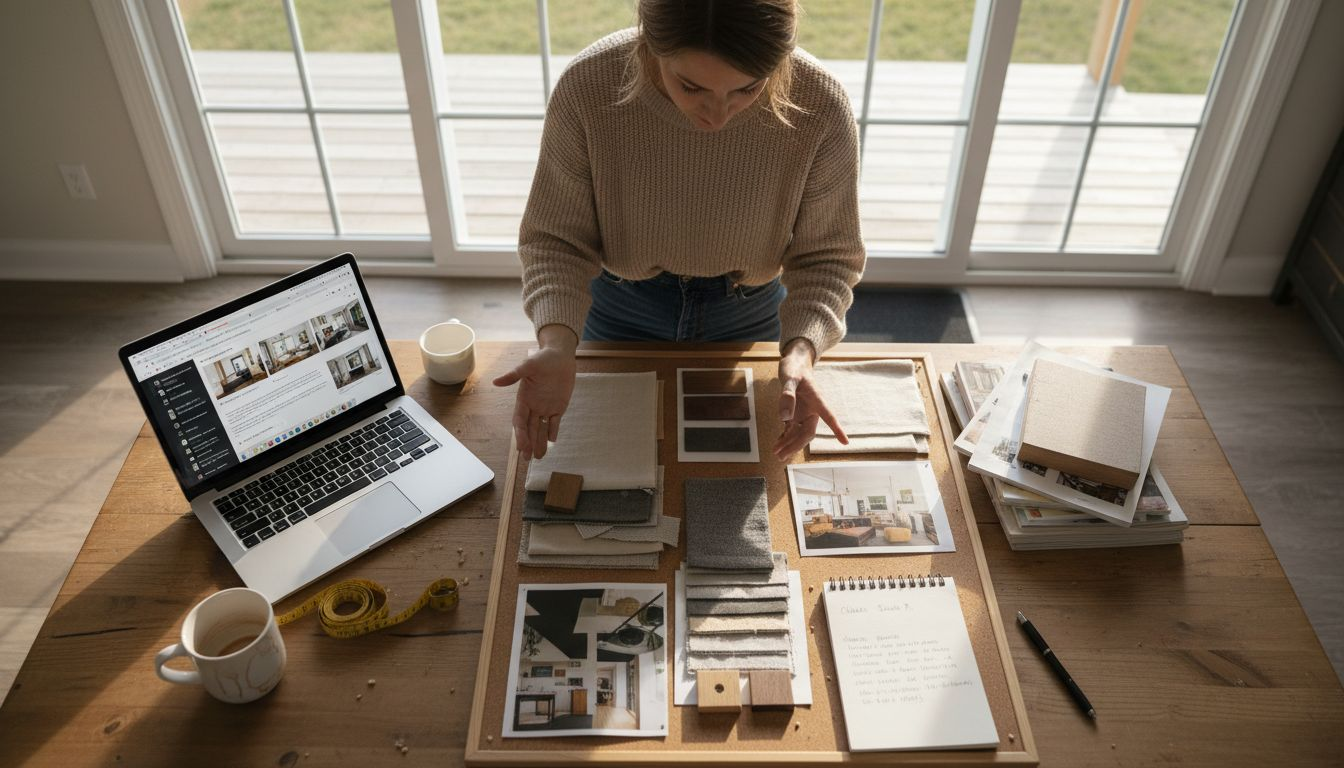
Pro tip: Create a mood board with fabric swatches, color samples, and inspiration images to help articulate your design vision to your furniture designer.
Step 3: Gather Inspiration and Materials
Gathering inspiration and materials is a transformative stage in your custom entryway furniture journey, where imagination meets practical design. This step will help you curate a collection of ideas, textures, and materials that will ultimately shape your unique furniture solution.
Begin by exploring personalized interior design strategies that align with your home’s aesthetic and functional needs. Start collecting visual inspiration through multiple channels:
- Pinterest mood boards
- Home design magazines
- Interior design websites
- Architectural publications
- Social media design accounts
- Furniture showroom visits
Document your design preferences by taking photographs of spaces that resonate with you. Pay attention to color schemes, material textures, and architectural details that complement your home’s overall style. Collect physical material samples like wood swatches, fabric textures, and paint chips to create a tangible reference guide for your furniture designer.
Inspiration is everywhere - the key is training your eye to recognize design elements that speak to your personal aesthetic.
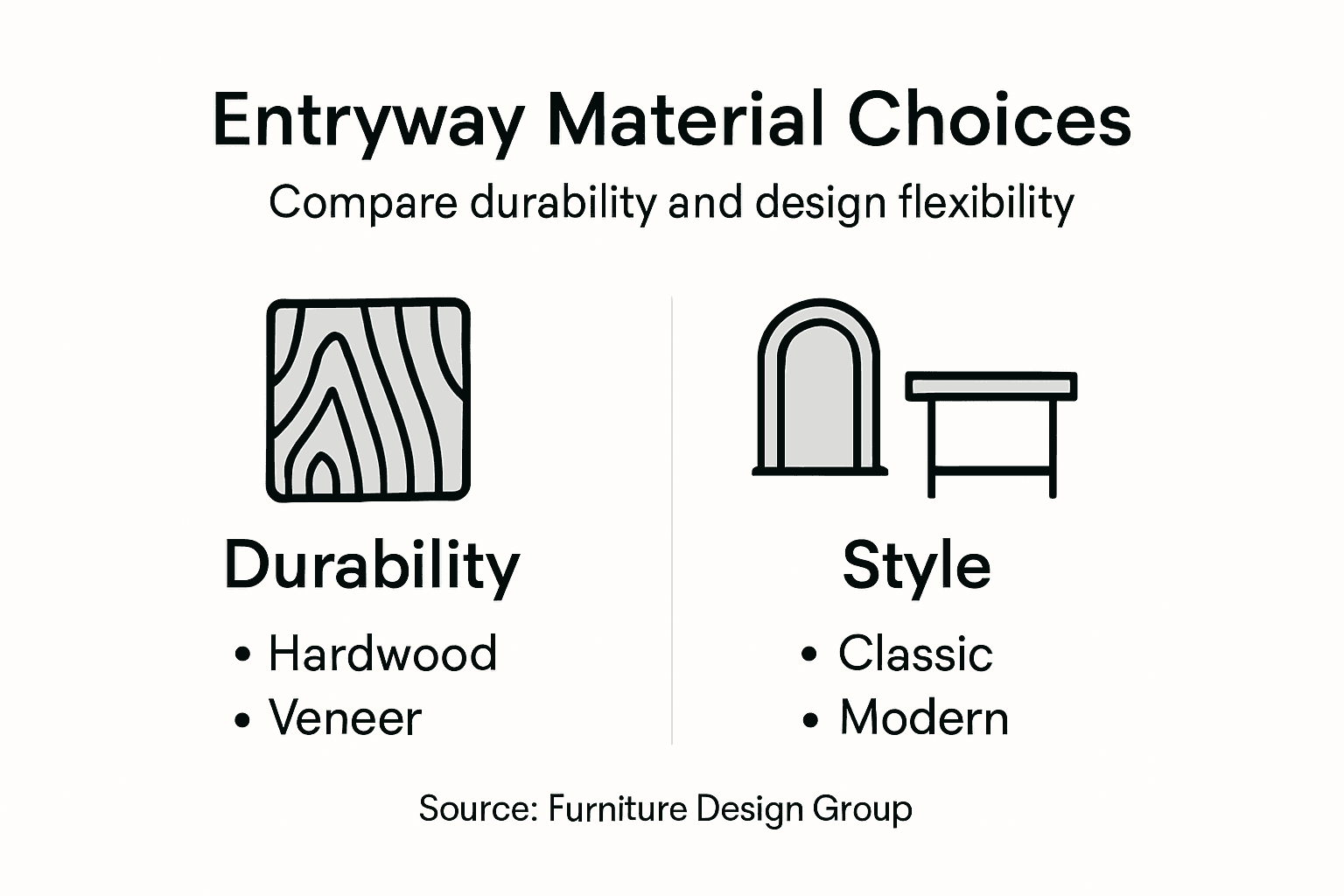
Consider the practical aspects of materials, such as durability, maintenance requirements, and how they interact with your daily lifestyle. Each material choice tells a story about your space and reflects your personal design philosophy.
Pro tip: Create a dedicated digital or physical folder to organize your inspiration images, ensuring you can easily share your vision with your furniture designer.
Step 4: Initiate Consultation with Specialists
Initiating a consultation with furniture design specialists marks the pivotal moment where your custom entryway vision begins to take tangible shape. This critical step transforms your collected inspiration and ideas into a collaborative design conversation that will ultimately bring your dream furniture to life.
Begin by understanding professional consultation processes that ensure clear communication and mutual understanding. Prepare for your initial design meeting by organizing your materials and inspiration in a comprehensive presentation:
- Compiled mood board images
- Material and fabric samples
- Precise room measurements
- Photographs of your current entryway
- List of functional requirements
- Aesthetic preferences and style references
Articulate your vision clearly and openly with your design specialist. Be prepared to discuss not just what you want, but why you want it. Explain how your family uses the entryway and describe the specific challenges you hope to solve with custom furniture. This detailed context helps designers craft solutions that are both beautiful and supremely functional.
Effective consultation is a dialogue, not a monologue - your input is the key to creating a truly personalized space.
Remember that experienced furniture designers are collaborative partners. They will offer professional insights, suggest innovative solutions, and help refine your initial concept into a design that exceeds your expectations.
Pro tip: Schedule your consultation during a time when you can provide undivided attention, bringing all your materials and being ready to have an in-depth, creative discussion.
Step 5: Approve Design and Material Choices
Approving design and material choices represents the transformative moment where your custom entryway furniture concept transitions from imagination to tangible reality. This critical step demands careful consideration, ensuring every detail aligns with your vision and functional requirements.
Utilize design material selection resources to make informed decisions about your furniture’s composition. Evaluate the proposed design and materials through a comprehensive review process:
- Examine detailed design renderings
- Review material texture and color samples
- Assess structural integrity and durability
- Compare proposed materials against your original vision
- Verify construction techniques
- Check compatibility with your home’s aesthetic
Scrutinize every design element meticulously. Pay close attention to how proposed materials will perform under daily use. Request multiple material variations to understand how different textures and finishes might impact the final product. Consider factors like maintenance requirements, potential wear and tear, and long-term aesthetic appeal.
Your approval is not just about appearance - it’s about creating a functional piece that will serve your family for years to come.
Don’t hesitate to request modifications or ask detailed questions about material selection, construction techniques, or design nuances. A collaborative approach ensures your final piece meets both your aesthetic and practical expectations.
Pro tip: Take photographs of material samples in your actual entryway lighting to accurately visualize how they will look in your specific space.
Below is a comparison of common entryway furniture materials:
| Material Type | Durability Level | Maintenance Requirement | Design Flexibility |
|---|---|---|---|
| Solid Wood | High | Occasional polishing | Wide range of finishes |
| MDF | Moderate | Regular cleaning | Easily painted, versatile |
| Metal | Excellent | Minimal cleaning | Industrial or modern look |
| Upholstery | Variable | Spot cleaning | Adds texture, color options |
Step 6: Verify Installation and Quality
Verifying the installation and quality of your custom entryway furniture marks the final stage of your bespoke design journey, ensuring that the meticulously crafted piece meets your highest expectations. This critical phase transforms your carefully planned design into a functional, beautiful reality.
Employ comprehensive quality verification standards to systematically assess your new furniture’s performance and craftsmanship. Conduct a thorough inspection focusing on these key areas:
- Precise alignment and leveling
- Smooth operational mechanisms
- Seamless joint connections
- Surface finish consistency
- Structural stability
- Material integrity and color matching
Examine every detail methodically, paying close attention to how the furniture integrates with your entryway’s existing architecture. Test all functional components like drawers, hinges, and storage mechanisms to confirm they operate smoothly and meet your original design specifications. Look for signs of expert craftsmanship such as clean lines, consistent finishes, and thoughtful construction techniques.
Quality is not an act, but a habit - and your custom furniture should reflect that commitment to excellence.
Don’t hesitate to request adjustments if any aspect falls short of your expectations. A reputable custom furniture designer will stand behind their work and ensure complete satisfaction with the final installation.
Pro tip: Request a written quality assurance document and take detailed photographs during installation to document the craftsmanship and serve as a reference point.
Here’s a quick summary of entryway furniture considerations at each project stage:
| Project Stage | Key Focus Area | Typical Pitfall | Recommended Action |
|---|---|---|---|
| Assessment | Space and usage | Overlooking traffic flow | Document routines and measure space |
| Feature Definition | Function vs. style | Choosing form over function | Prioritize durable, practical features |
| Inspiration | Visual references | Incoherent design vision | Organize mood boards and samples |
| Consultation | Designer communication | Unclear goals or needs | Prepare materials and articulate vision |
| Approval | Final materials and finishes | Ignoring maintenance demands | Request samples, check durability |
| Installation | Quality and fit | Skipping expert inspection | Test mechanisms, document details |
Elevate Your Entryway with Expert Custom Furniture Consultation
Transforming your entryway into a functional and beautiful space starts with addressing common challenges like clutter, inefficient storage, and uninspired design. This guide covers how thoughtful assessment, precise feature definition, and professional consultation can lead to bespoke furniture that fits your lifestyle perfectly. Whether you need organized mud lockers, integrated seating, or hidden compartments, understanding your specific entryway needs is the first step to unlocking a welcoming and practical home entrance.
Discover how Furniture Design Group, a family-owned business with over 20 years of craftsmanship experience in Maryland, can bring your vision to life through custom-built entryway furniture. Explore our commitment to quality materials and artisanal construction by visiting our showcase of custom services. Ready to design with experts who listen closely to your functional requirements and aesthetic preferences? Connect with us today to start your personalized consultation and enjoy the confidence that comes with expert guidance and unparalleled craftsmanship. Take the first step by visiting Furniture Design Group now and see how we transform entryways into lasting statements of style and utility.
Frequently Asked Questions
What should I assess when evaluating my entryway needs for custom furniture?
Begin by measuring your entryway’s dimensions, noting wall lengths and floor space. Consider traffic flow, the number of household members, and any storage requirements you have, such as for seasonal gear.
How can I define the desired features for my bespoke entryway furniture?
Identify specific features you need, such as coat storage, shoe organization, or integrated seating. Prioritize functionality alongside aesthetic appeal to ensure each element serves a practical purpose while enhancing your entryway’s look.
What are effective ways to gather inspiration for my custom entryway design?
Explore sources like Pinterest boards, interior design magazines, and social media accounts dedicated to home decor. Document your design preferences visually, taking photographs and collecting material samples to help communicate your vision clearly.
How do I prepare for a consultation with a furniture design specialist?
Organize your inspiration, measurements, and functional needs into a clear presentation. Bring together mood board images, material samples, and a list of your entryway challenges to facilitate a productive discussion.
What should I look for when approving design and material choices for my entryway furniture?
Evaluate design renderings and material samples for structural integrity and alignment with your aesthetic goals. Ensure that each feature meets your functional requirements, and do not hesitate to request modifications if needed.
How do I verify the installation and quality of my custom entryway furniture?
Inspect the installation for precise alignment, functionality, and material consistency once completed. Test all operational components and address any concerns immediately to ensure a high-quality final product.