
Selecting entryway furniture that truly fits your Maryland home is more than just a style choice. It is a way to showcase your personality and make daily routines smoother. Custom furniture blends meticulous craftsmanship and tailored design, offering solutions that match your unique space and needs. This guide helps you understand the detailed process and key decisions involved in commissioning bespoke furniture, making the journey easier for those who want lasting, beautiful pieces.
Table of Contents
- What Custom Furniture Really Means
- Key Steps In The Design Process
- Material Selection And Craftsmanship
- Ordering, Pricing, And Project Timelines
- Common Pitfalls When Ordering Custom Furniture
Key Takeaways
| Point | Details |
|---|---|
| Custom Furniture is Personalized | Unlike mass-produced items, custom furniture is tailored to individual needs, reflecting personal style and functionality. |
| Quality of Craftsmanship Matters | Custom pieces often utilize high-quality materials and superior craftsmanship, ensuring longevity and aesthetic appeal. |
| Effective Communication is Crucial | Clear communication about design requirements and project expectations can prevent misunderstandings and ensure satisfaction. |
| Understanding the Process is Key | Familiarizing oneself with the stages of design and production helps manage timelines, budgets, and overall expectations. |
What Custom Furniture Really Means
Custom furniture represents far more than mass-produced items - it’s a deeply personal art form that transforms living spaces through intentional design and meticulous craftsmanship. Unlike standardized pieces churned out by factories, custom furniture is a collaborative journey between skilled artisans and homeowners, where every detail reflects individual style, functional needs, and aesthetic vision.
At its core, furniture design explores human interaction with objects through thoughtful structure and proportion. This approach goes beyond mere functionality, considering how furniture supports human activities while creating meaningful connections between people and their living environments. Custom furniture designers carefully balance form and function, selecting materials and techniques that elevate everyday objects into personalized art pieces.
The hallmarks of true custom furniture include:
- Unique design tailored to specific spatial requirements
- Precision craftsmanship using high-quality materials
- Consideration of individual aesthetic preferences
- Attention to ergonomic details and user experience
- Integration of personal storytelling through design elements
Creating custom furniture requires deep understanding of materials, techniques, and human needs. Skilled craftspeople draw upon generations of knowledge, transforming raw materials into functional sculptures that reflect both cultural heritage and personal expression. Wood selection, joinery techniques, and finish details become vehicles for storytelling, turning each piece into a unique artifact that transcends simple utility.
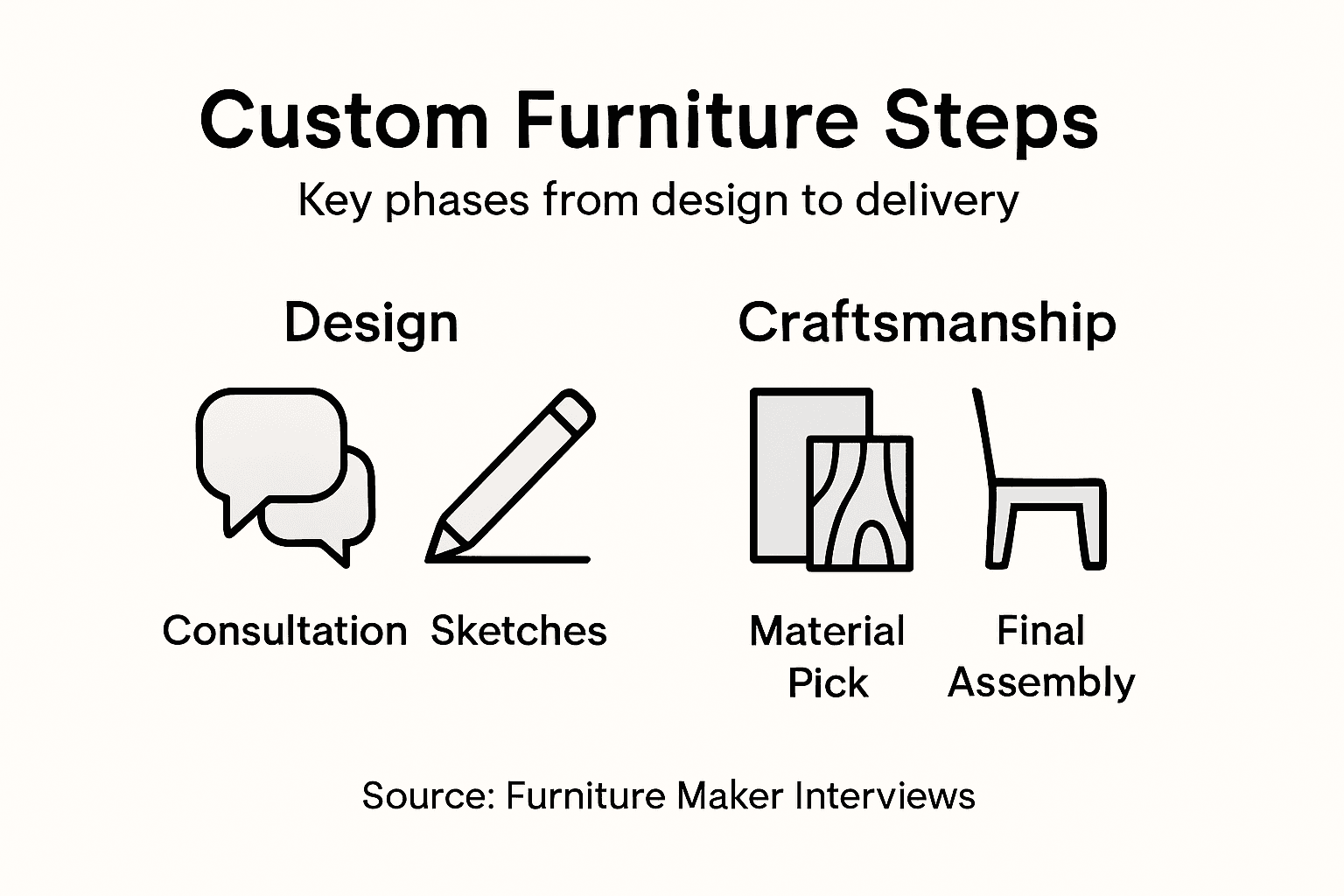
Here’s a quick comparison of mass-produced furniture versus custom furniture:
| Criteria | Mass-Produced Furniture | Custom Furniture |
|---|---|---|
| Personalization | Minimal, standardized options | Fully tailored to client needs |
| Material Quality | Often uses basic materials | Selects premium, durable materials |
| Design Process | Fixed, no client involvement | Collaborative, client-centric |
| Production Timeline | Rapid, bulk manufacturing | Detailed, may take several weeks |
| Longevity | Average durability | Often built to last generations |
Pro tip: When exploring custom furniture, prioritize understanding the artisan’s process and expertise rather than focusing solely on the final price tag.
Key Steps in the Design Process
Custom furniture design is a nuanced journey that transforms creative vision into functional art. Furniture design involves hands-on learning to understand materials, scale, and craftsmanship, blending traditional techniques with modern technological approaches. Each step requires meticulous attention to detail and a deep understanding of both aesthetic and functional requirements.
The comprehensive design process typically follows these critical stages:
- Initial Consultation and Concept Development
- Discuss client’s specific needs and space requirements
- Explore design preferences and aesthetic vision
- Analyze existing interior design and architectural elements
- Conceptual Sketching and Digital Rendering
- Create initial hand-drawn concept sketches
- Develop digital 3D models and renderings
- Refine design iterations based on client feedback
- Material Selection and Prototyping
- Evaluate wood types, finishes, and structural integrity
- Develop detailed material specifications
- Create small-scale prototypes for testing and validation
Professional designers integrate advanced fabrication techniques with traditional craftsmanship, leveraging tools like computer-aided design (CAD) and precision manufacturing equipment. This approach allows for unprecedented customization, enabling designers to translate complex conceptual ideas into tangible, functional pieces that perfectly match client specifications.
Pro tip: Always request material samples and miniature prototypes before finalizing your custom furniture design to ensure perfect alignment with your vision.
Material Selection and Craftsmanship
Wood selection represents the foundational cornerstone of custom furniture design, transforming raw materials into functional art pieces that tell a unique story. Handmade furniture artistry combines quality materials like oak and cherry with time-honored techniques that elevate ordinary pieces into extraordinary expressions of design.
Craftspeople consider multiple critical factors when selecting materials:
- Durability and long-term structural integrity
- Natural grain patterns and aesthetic characteristics
- Sustainability and environmental impact
- Compatibility with intended furniture design
- Cost and availability of specific wood types
Modern craftsmen integrate traditional skills with contemporary technologies, creating a nuanced approach to material selection. Advanced fabrication techniques enable precise measurements and complex design implementations that were impossible in previous generations. This blend of old-world craftsmanship and digital precision allows for unprecedented customization and detail in furniture production.
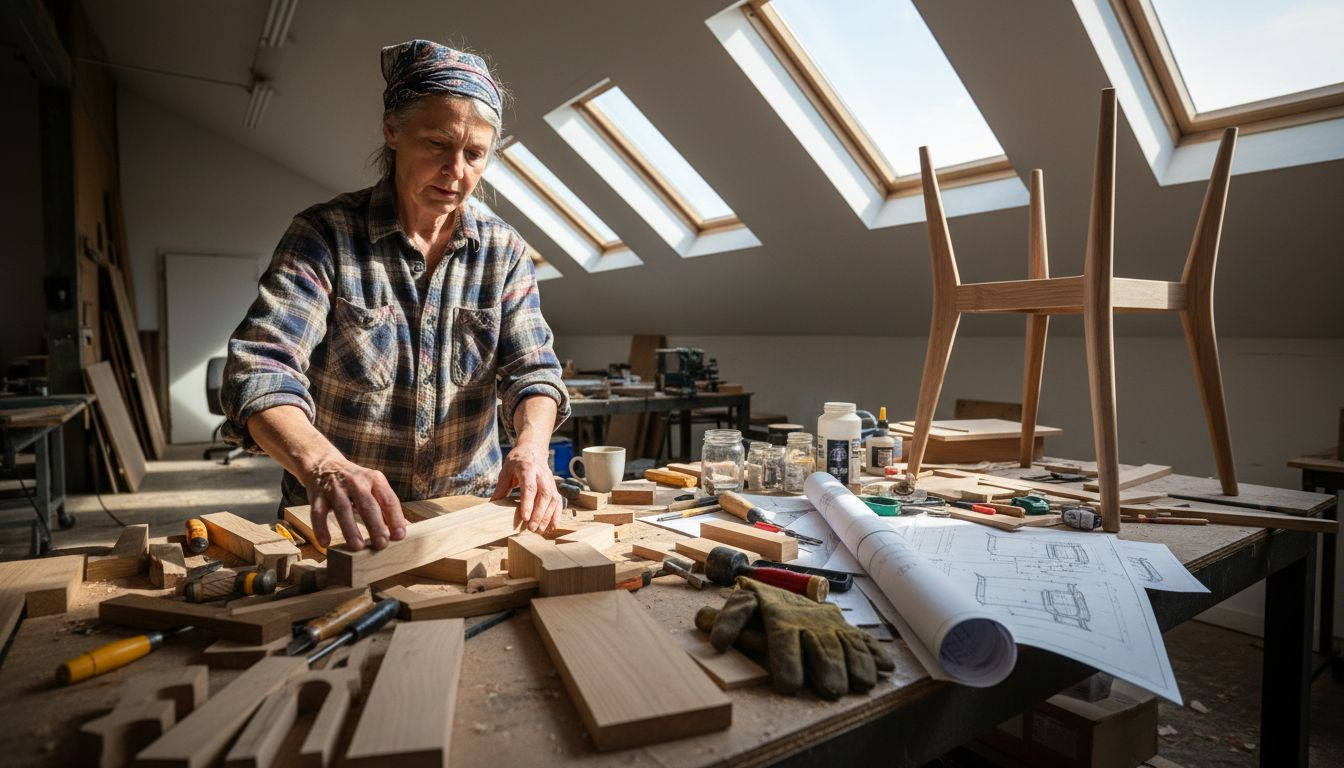
The selection process involves deep understanding of different wood characteristics. Hardwoods like maple, walnut, and cherry offer distinct advantages - maple provides durability, walnut delivers rich color variations, and cherry develops a beautiful patina over time. Each wood type brings unique properties that influence the final product’s appearance, strength, and longevity.
The table below summarizes common types of hardwoods used in custom furniture:
| Wood Type | Key Attribute | Best For |
|---|---|---|
| Maple | High durability and strength | Tables, cabinetry |
| Walnut | Rich natural color variation | Statement pieces, desktops |
| Cherry | Develops elegant patina | Heirloom-quality furniture |
Exceptional craftsmanship transforms raw materials into living pieces of functional art that transcend mere utility.
Pro tip: Always request wood samples and discuss grain orientation with your craftsperson to ensure the final piece matches your exact aesthetic vision.
Ordering, Pricing, and Project Timelines
Custom furniture purchasing involves nuanced decision-making processes that balance client expectations, design complexity, and budget considerations. Understanding the intricate relationship between ordering, pricing, and project timelines helps homeowners navigate the custom furniture experience with confidence and realistic expectations.
The typical custom furniture ordering process includes several key stages:
- Initial Consultation
- Detailed project discussion
- Space measurements and requirement analysis
- Preliminary design concept review
- Design Proposal and Pricing
- Comprehensive design rendering
- Detailed material cost breakdown
- Labor and fabrication estimates
- Project timeline projection
- Project Confirmation
- Client approval of design
- Deposit payment
- Formal project scheduling
Pricing factors significantly impact project complexity and final costs. These include material selection, design intricacy, craftsman expertise, and project timeline. Complex pieces requiring specialized techniques or rare materials will naturally command higher prices and longer production windows.
Custom furniture pricing reflects the artisan’s skill, material quality, and personalized design investment.
Pro tip: Request a comprehensive written estimate that clearly breaks down material, labor, and design costs to avoid unexpected expenses during your custom furniture project.
Common Pitfalls When Ordering Custom Furniture
Custom furniture ordering presents unique challenges that can derail even the most well-intentioned design projects. Homeowners often enter the custom furniture process with excitement, but without understanding the potential obstacles that could compromise their vision and investment.
The most critical pitfalls to anticipate include:
- Inadequate initial space measurements
- Unrealistic budget expectations
- Vague or incomplete design communication
- Overlooking material compatibility
- Failing to establish clear project timelines
Communication breakdowns represent the most significant risk in custom furniture projects. Many clients struggle to articulate their exact design requirements, leading to misunderstandings that can result in costly redesigns or complete project failures. Professional designers recommend creating detailed mood boards, providing precise measurements, and maintaining open dialogue throughout the design process.
Budget management requires careful navigation. Complex custom pieces often involve unexpected costs related to specialized materials, intricate design elements, or unique fabrication techniques. Homeowners should build a 15-20% contingency into their initial budget to accommodate potential design adjustments or material upgrades.
Successful custom furniture projects are built on clear communication, realistic expectations, and collaborative design approaches.
Pro tip: Always request a comprehensive written contract that explicitly details design specifications, material selections, project milestones, and total cost to prevent misunderstandings and protect your investment.
Experience the Art of Custom Entryway Furniture Crafted Just for You
The journey of custom furniture design can be challenging with common pitfalls like communication gaps and unclear expectations. From precise wood selection to thoughtful ergonomic details, every step requires expert craftsmanship and collaboration to create pieces that truly reflect your personal style and functional needs. At Furniture Design Group, we understand the importance of this tailored process and specialize in transforming your unique vision into stunning entryway furniture, including custom mud lockers built to stand the test of time.
Discover how our family-owned company with over 20 years of experience brings your ideas to life through premium materials and artisanal construction techniques. Visit our website to explore our collection and start your custom project with confidence. Connect with us today via phone or email for a personalized consultation or visit our Maryland showroom to experience craftsmanship in person. Let us help you avoid common pitfalls and deliver a masterpiece designed perfectly for your home.
Frequently Asked Questions
What is custom furniture?
Custom furniture refers to uniquely designed pieces tailored to meet specific needs, style preferences, and spatial requirements of homeowners, created through a collaborative process between clients and skilled artisans.
How is the custom furniture design process structured?
The design process typically involves several stages: initial consultation and concept development, conceptual sketching and digital rendering, and material selection and prototyping, ensuring that each piece meets the client’s specifications.
What are the key benefits of choosing custom furniture over mass-produced options?
Custom furniture offers personalized design, superior craftsmanship, higher-quality materials, and an attention to detail that aligns with the client’s aesthetic and functional needs, often resulting in more durable and meaningful pieces.
How does material selection affect custom furniture pricing?
Material selection impacts pricing based on factors like type, quality, availability, and durability. Higher-quality materials and more complex designs generally lead to higher production costs and longer timelines.