
Choosing custom entryway furniture for your Maryland home can feel overwhelming when every entry has its own shape, traffic flow, and storage needs. Finding pieces that truly fit your space and lifestyle often means moving beyond standard store-bought options. The right approach ensures your investment lasts for years and actually solves the daily problems you face each time you come through the door.
You will learn how to make smart decisions on everything from measuring your space and picking durable materials to getting the most functional and stylish results. These proven steps draw on expert guidance and highlight what really matters when designing entryway furniture tailored to your Maryland home.
Get ready to uncover practical tips and expert insights that will help you avoid common mistakes and create an entry that works beautifully every day.
Table of Contents
- 1. Assess Your Entryway Space and Needs
- 2. Select Durable Materials and Quality Craftsmanship
- 3. Decide on Customization Options for Functionality
- 4. Match Furniture Style to Your Home’s Aesthetic
- 5. Consider Storage Solutions for Organization
- 6. Explore Local Showrooms for Personalized Service
Quick Summary
| Takeaway | Explanation |
|---|---|
| 1. Accurately measure your entryway. | Knowing the dimensions prevents purchasing ill-fitting furniture and ensures effective spatial usage. |
| 2. Choose durable materials and craftsmanship. | High-quality materials and skilled construction ensure long-lasting furniture that withstands daily wear and climate fluctuations. |
| 3. Customize for your specific needs. | Tailored furniture solves unique problems in your entryway, enhancing functionality and maximizing space efficiency. |
| 4. Match furniture style to your home. | Ensuring harmony between your entryway furniture and existing home aesthetics creates a cohesive visual narrative. |
| 5. Explore local showrooms for expert advice. | Visiting showrooms allows for tactile assessments of furniture and personalized guidance, ensuring informed decisions. |
1. Assess Your Entryway Space and Needs
Before selecting any furniture, you need a clear picture of your entryway’s dimensions and what you actually need it to do. This foundation step prevents costly mistakes and ensures your custom pieces fit perfectly and function the way you want.
Start by measuring your space accurately. Grab a tape measure and note the width, depth, and height of your entryway. Include doorway widths, ceiling height, and any architectural features like radiators or electrical outlets that might affect furniture placement.
Understanding your exact dimensions prevents purchasing furniture that won’t fit or blocks traffic flow in your home.
You also need to assess how your entryway functions daily. Think about what happens when you walk through that door right now.
Consider these practical questions:
- How many people use this entryway regularly?
- Do you need storage for coats, shoes, and bags?
- Is there heavy foot traffic or just occasional use?
- Do you have children or pets that need specific accommodations?
- What activities occur in your entryway (mail sorting, key storage, pet feeding)?
- Do you need seating for putting on shoes or greeting guests?
Research on accessible entrance design emphasizes the importance of assessing both physical space and how people will actually move through and use the area. Maryland homeowners benefit from thinking about traffic patterns and whether furniture should guide or open up movement.
Next, identify any challenges your space presents. Is your entryway narrow? Does natural light play a role? Are there structural limitations? Understanding these constraints helps you work with a craftsman to design furniture that works with your space, not against it.
Think about your lifestyle and storage needs realistically. Do you need room for seasonal items? How much daily clutter accumulates? Be honest about your habits so custom furniture can accommodate actual usage patterns.
Your entryway sets the tone for your entire home. Taking time to understand your specific needs ensures your investment works beautifully for years to come.
Pro tip: Take photos and video of your entryway from multiple angles, then review them at home to identify details you might have missed during measurement.
2. Select Durable Materials and Quality Craftsmanship
The materials you choose and how they’re built determine whether your entryway furniture lasts five years or fifty. Quality craftsmanship paired with durable materials creates pieces that withstand daily wear while maintaining their beauty.
Entryways face constant demands. Heavy foot traffic, moisture, temperature changes, and heavy use make this space uniquely challenging. Your furniture needs to handle these pressures without deteriorating.
The right material and skilled construction mean your entryway investment grows more beautiful with age, not worse.
Understanding material durability matters more than aesthetics alone. Different woods, finishes, and hardware options perform differently under real-world conditions.
Consider these material strengths:
- Solid hardwoods like oak and maple resist warping and denting better than softer woods
- Quality stains and finishes protect against moisture and UV damage
- Stainless steel or brass hardware resists rust in humid Maryland climates
- Plywood cores with solid wood veneer balance durability with cost
- Mortise and tenon joinery creates stronger connections than dowels or staples
Craftsmanship is what transforms good materials into exceptional furniture. Traditional craftsmanship methods emphasize skilled techniques that ensure joints stay tight, finishes hold up, and pieces adapt to humidity changes rather than crack.
When evaluating craftsmanship, look for evidence of attention to detail. Hand-finished surfaces feel smoother. Drawers glide smoothly. Doors close evenly. These details signal that someone skilled built your piece.
Material selection should also consider sustainability and safety. Healthier material choices balance durability with environmental responsibility and indoor air quality. Many custom craftsmen now source responsibly harvested wood and use finishes that minimize harmful off-gassing.
Maryland homeowners benefit from pieces made to withstand our climate. Humidity swings and seasonal temperature changes challenge furniture construction. Quality craftsmanship accounts for wood movement and uses techniques that prevent problems before they start.
Invest time discussing materials with your furniture maker. Ask about wood selection, joinery methods, and finishing techniques. Understanding these choices helps you appreciate the craftsmanship and ensures your furniture performs beautifully for decades.
Pro tip: Ask your craftsman about the specific wood species and finishes used, then research their performance ratings for high-traffic residential use to ensure your investment matches your lifestyle.
3. Decide on Customization Options for Functionality
Off-the-shelf entryway furniture rarely matches your actual needs perfectly. Custom options let you design pieces that solve your specific problems and fit your lifestyle exactly.
This is where custom entryway furniture shines. You’re not choosing between standard configurations. Instead, you collaborate with a craftsman to create furniture tailored to your household.
Customization transforms generic furniture into solutions that work perfectly for how you live.
Think about your actual daily needs before selecting customization options. What frustrates you most about your current entryway setup?
Common customization opportunities include:
- Adjustable shelving heights for storing different sized items
- Built-in hooks at kid-friendly or pet-friendly heights
- Bench seating with storage underneath for shoes and bags
- Designated zones for specific items like mail, keys, or dog leashes
- Drawer dividers sized for your specific belongings
- Coat hooks positioned exactly where you walk through the door
- Open shelving for frequently used items versus closed storage for clutter
Bespoke furniture design allows customization that matches your preferences and space constraints while reflecting your personal style through tailored craftsmanship.
Consider your household composition. A family with young children needs different features than a couple with dogs. Parents often need lower hooks and storage. Pet owners benefit from designated mudroom zones with washable surfaces.
Think seasonally too. Maryland winters mean heavy coats and boots need storage. Summer requires less space. Can your furniture adapt? Some custom pieces include seasonal storage solutions or adjustable configurations.
Modular options increase long-term value. If your needs change, can the furniture adapt? Customization might include removable components or flexible shelving that adjusts as your household evolves.
Don’t overlook practical details. Ventilation matters for storing damp coats. Finish durability matters in high-traffic areas. Ease of cleaning matters when dealing with muddy shoes. Smart customization addresses these functional concerns.
Work with your craftsman to prioritize customization. Some options significantly improve functionality while others are nice but unnecessary. Focus on features that solve real problems in your home.
Pro tip: List three specific frustrations with your current entryway, then discuss how custom features could address each one before finalizing your design.
4. Match Furniture Style to Your Home’s Aesthetic
Your entryway furniture should feel like it belongs in your home, not like it wandered in from somewhere else. Matching style creates harmony and tells a cohesive story about your design vision.
Think of your entryway as the opening chapter of your home’s design narrative. Visitors form impressions immediately, so consistency matters. Mismatched styles confuse the eye and make spaces feel disjointed.
Furniture designed in harmony with your home’s architectural character creates a unified aesthetic that feels intentional and polished.
Identify your home’s existing style first. Look at your architecture, existing furniture, and color palette. Are your spaces modern and minimal? Warm and traditional? Transitional with mixed influences?
Common style categories include:
- Modern minimalist with clean lines and neutral tones
- Farmhouse with rustic wood and vintage-inspired details
- Traditional with classic proportions and ornamental elements
- Transitional blending modern and classic elements
- Contemporary with current design trends and materials
- Craftsman emphasizing handmade quality and natural materials
- Industrial with exposed materials and functional design
Furniture and architectural harmony demonstrates that pieces should integrate with your home’s overall design vision for a cohesive interior that reflects your space’s character.
Your custom entryway furniture offers the advantage of perfect style alignment. Unlike ready-made options, a craftsman can build pieces that echo your home’s exact aesthetic. If you love warm wood tones and traditional details, they’re built in. If you prefer sleek lines and minimalism, the design reflects that.
Consider your architectural details too. Crown molding, trim styles, flooring materials, and wall finishes all inform what furniture feels right. A Victorian home with ornate details needs different furniture than a mid-century ranch.
Color coordination matters as much as style. Pull paint samples or photos of your existing décor and discuss them with your craftsman. Matching wood tones or complementary finishes ensures your new furniture feels planned rather than random.
Think about how people move through your space and what they see first. Your entryway furniture should feel like the natural introduction to your home’s personality, not a surprise departure from it.
Pro tip: Gather photos of your favorite home design inspiration, your existing entryway, and your overall home style, then review them together with your craftsman to establish clear design direction.
5. Consider Storage Solutions for Organization
Clutter in your entryway happens because items lack designated homes. Thoughtful storage solutions solve this problem by creating specific places for everything, keeping your entryway organized and functional.
Entryways accumulate stuff fast. Coats, shoes, bags, keys, mail, and seasonal items all compete for space. Without proper storage, everything lands on the floor or nearest surface, creating chaos.
Smart storage transforms clutter into order by giving every item a logical, accessible place.
Multi-functional furniture maximizes limited space without sacrificing aesthetics. A bench isn’t just seating. It can include drawers underneath, shelves above, and hooks on the sides. One piece handles multiple storage needs.
Consider these storage opportunities:
- Cubbies or compartments for individual family members
- Closed cabinets for items you prefer hidden from view
- Open shelving for frequently accessed items
- Drawers with dividers for organizing small items
- Hidden storage behind doors or panels
- Hooks at varying heights for coats and bags
- Pull-out baskets for shoes or seasonal storage
- Built-in benches with storage underneath
Clever storage solutions for small spaces maximize function by integrating storage without sacrificing aesthetics or accessibility, maintaining both order and visual appeal.
Think about what items your entryway actually holds. Do you have young children needing hook storage they can reach? Pets needing a place for leashes and toys? Sports equipment requiring shelving? Your storage design should address your household’s specific items.
Effective organization strategies involve creating designated areas suited to user habits, reducing clutter and stress in high-traffic zones like entryways.
Accessibility matters tremendously. If storage is awkward to access, nobody uses it. Items end up elsewhere. Design storage that works with your natural movement patterns and daily habits.
Zone your entryway intentionally. Create a coat zone, a shoe zone, a mail zone, and a miscellaneous zone. Each zone should have dedicated storage that’s easy to reach and maintain. This prevents items from migrating across your entire entryway.
Pro tip: Before finalizing your storage plan, track what accumulates in your entryway for two weeks, then design storage compartments specifically sized for those items.
6. Explore Local Showrooms for Personalized Service
Shopping online for entryway furniture means guessing how pieces actually look and feel in your space. Visiting showrooms lets you experience furniture firsthand and get expert guidance tailored to your home.
Showrooms offer something online shopping cannot. You can see wood grain, touch finishes, sit on benches, and imagine pieces in your space. You can also ask questions and receive personalized advice from people who understand furniture deeply.
In-person showroom visits transform furniture selection from uncertain guessing into confident decisions backed by expert consultation.
Local showrooms provide personalized service that online retailers simply cannot match. Staff members understand your space constraints, style preferences, and functional needs because they listen and ask thoughtful questions.
Key benefits of visiting showrooms include:
- Seeing actual finishes and materials in person
- Understanding scale and proportions in three dimensions
- Receiving custom design advice for your specific space
- Building relationships with craftspeople who understand quality
- Testing furniture comfort and functionality
- Discussing options without time pressure
- Getting recommendations based on your household needs
- Exploring customization possibilities with experts
Maryland homeowners benefit from local showroom visits where craftspeople can discuss your specific entryway challenges. A craftsman familiar with Maryland humidity and climate can recommend materials and finishes that perform well in your region.
High Point Market offers extensive showroom access where you can explore styles in person and receive expert advice to select furniture that fits your design and functional requirements.
When visiting showrooms, bring photos of your entryway, paint samples, and measurements. Discuss your lifestyle honestly. Tell them about your daily traffic patterns, storage challenges, and aesthetic preferences. The more detail you provide, the better guidance you’ll receive.
Ask about their design process. How do they handle customization? What does the timeline look like? Can they accommodate special requests? Understanding their approach helps you decide if they align with your vision.
Don’t rush the process. Good showroom visits take time. Walk around, ask questions, and sit with your thoughts. The best decisions come when you feel confident and understood.
Pro tip: Schedule your showroom visit during less busy times like weekday mornings so you can receive undivided attention from knowledgeable staff members.
Below is a comprehensive table summarizing the steps and considerations highlighted in the article for designing and selecting the perfect entryway furniture to balance functionality and aesthetics effectively.
| Step | Key Considerations | Outcome |
|---|---|---|
| Assess Your Space and Needs | Evaluate space dimensions and daily functional requirements. | Furniture fits seamlessly and serves practical purposes effectively. |
| Select Durable Materials | Choose robust materials and craftsmanship techniques. | Entryway furniture endures wear and tear while maintaining its appeal. |
| Customize for Functionality | Tailor furniture features to cater to specific household needs. | Enhanced usability and satisfaction from optimized furniture solutions. |
| Match Home’s Aesthetic | Ensure furniture design aligns with the overall home style. | Harmonious and cohesive appearance within entry and home interiors. |
| Incorporate Storage Solutions | Plan storage areas for effectively managing entryway items. | Improved organization and reduction of clutter in high-traffic areas. |
| Visit Local Showrooms | Engage with professionals to get expert advice and explore options. | Informed choices and high-quality furniture tailored to individual needs. |
Elevate Your Entryway with Custom Solutions That Fit Your Lifestyle
Choosing the right entryway furniture means overcoming challenges like limited space, daily clutter, and the need for durable, stylish pieces that truly fit your home. If you are frustrated by generic options that do not address your storage needs or reflect your personal style, Furniture Design Group offers expert craftsmanship and personalized custom designs to solve these exact problems. Our custom mud lockers and entryway furniture provide the perfect blend of functional storage, quality materials, and design harmony tailored to your Maryland home.
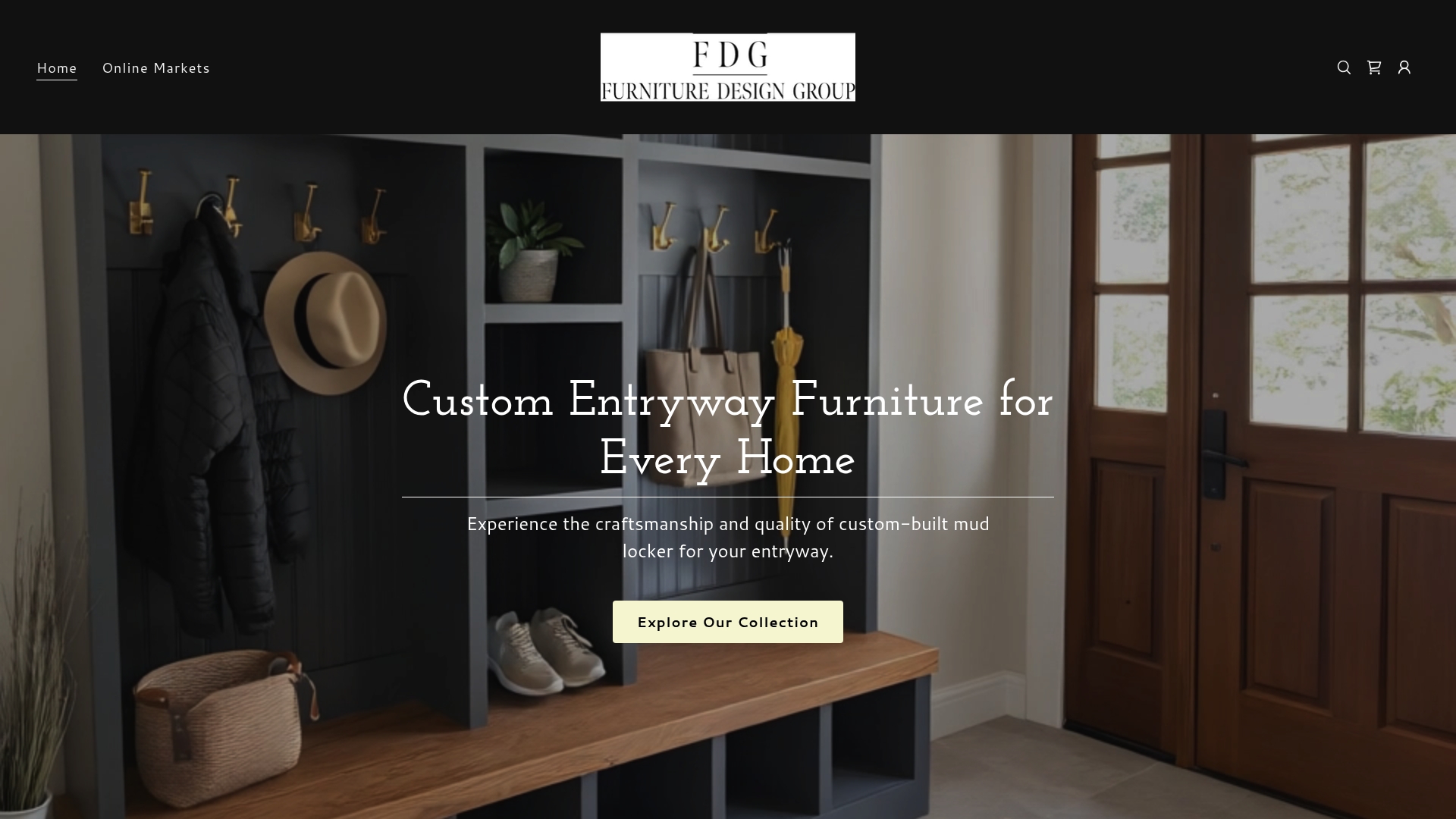
Discover how our family-owned company, with over 20 years of experience, can transform your entryway into a welcoming, organized space that meets your unique requirements. Explore our custom offerings and schedule a visit to our showroom for personalized service that brings your vision to life. Don’t wait to create an entryway that works beautifully for your daily routine. Start your journey today at Furniture Design Group and experience craftsmanship that lasts a lifetime.
Frequently Asked Questions
How do I measure my entryway for furniture?
To measure your entryway for furniture, use a tape measure to determine the width, depth, and height of the space. Make sure to include details like doorway widths and ceiling height to ensure that your chosen furniture will fit correctly.
What materials should I consider for durable entryway furniture?
For durable entryway furniture, consider solid hardwoods like oak or maple, which are resistant to warping and denting. Look for quality finishes that protect against moisture and ensure long-lasting beauty over time.
How can I customize entryway furniture to meet my specific needs?
You can customize your entryway furniture by working with a craftsman to include features like adjustable shelving, built-in hooks, and storage solutions tailored to your household. Identify specific frustrations in your current setup, and discuss how these features can address them.
What style should I choose for my entryway furniture to match my home?
To choose a style for your entryway furniture, first identify your home’s existing aesthetic—be it modern, traditional, or transitional. Match new furniture to your current decor for a cohesive look that creates a welcoming entryway.
How can I organize my entryway and reduce clutter with furniture?
You can organize your entryway and reduce clutter by incorporating multi-functional furniture like benches with storage or shelving units designed for specific items. Create designated storage zones for coats, shoes, and other belongings to keep everything in its place.
Why is it beneficial to visit local showrooms when selecting entryway furniture?
Visiting local showrooms allows you to see and feel the furniture in person, giving you a better idea of its scale and comfort. Engage with knowledgeable staff to receive personalized advice tailored to your specific entryway challenges and style preferences.