
Your entryway sets the tone for your entire home, yet most Maryland homeowners struggle to create a space that delivers both practical storage and lasting visual appeal. Without a clear roadmap, custom entryway projects can quickly become overwhelming, leading to costly mistakes or underwhelming results. This guide walks you through the complete planning process, from initial consultation to final installation, so you can confidently design an entryway that reflects quality craftsmanship and meets your family’s daily needs while enhancing your home’s value.
Table of Contents
- Understanding The Basics Of Custom Entryway Planning
- Measuring, Materials, And Craftsmanship Essentials
- Designing For Space Constraints And Maryland Craftsmanship
- Balancing Budget, Style Preferences, And Home Value Impact
- Discover Expert Custom Entryway Solutions In Maryland
Key takeaways
| Point | Details |
|---|---|
| Structured planning | Follow a four-phase process: consultation, design, fabrication, and installation for best results. |
| Precision measurements | Accurate dimensions and quality materials ensure durable, functional entryway furniture. |
| Space adaptation | Vertical storage and hidden compartments maximize small or high-traffic Maryland entryways. |
| Budget flexibility | Options range from DIY paint-grade builds to professional hardwood installations with higher ROI. |
| Style and function | Balance family storage needs with aesthetic appeal to impress guests and boost home value. |
Understanding the basics of custom entryway planning
Planning a custom entryway involves a structured process from consultation to installation. This framework ensures your vision translates into a functional, beautiful space that serves your household for decades. The custom entryway planning process typically unfolds across four distinct phases, each building on the previous stage to deliver exceptional results.
During the initial consultation, you discuss your specific needs with a designer or craftsman. This conversation covers your daily routines, storage requirements, aesthetic preferences, and budget constraints. Accurate measurements are critical at this stage. You need to capture wall dimensions, ceiling height, door swing clearances, and any architectural features that might affect the design. A professional will also assess your home’s existing style to ensure the new entryway complements your interior architecture.
The design phase transforms your ideas into tangible plans. Expect to review sketches, 3D renderings, and material samples. This is when you select wood species, finishes, hardware, and decorative elements. Many Maryland craftsmen use digital tools to show you exactly how the finished piece will look in your space, eliminating guesswork and ensuring you love the final design before fabrication begins.
Fabrication involves cutting, shaping, and assembling your custom furniture using traditional joinery techniques. Quality craftsmen rely on solid hardwoods and time-tested methods like dado and rabbet joints to create pieces that withstand daily wear. The final installation phase integrates the entryway seamlessly into your home, anchoring cabinetry to wall studs and ensuring all components function smoothly.
Pro Tip: Schedule your consultation during a time when natural light fills your entryway so the designer can accurately assess lighting conditions and recommend finishes that enhance brightness.
Key planning considerations include:
- Your family’s daily traffic patterns and storage volume needs
- Architectural constraints like low ceilings or narrow hallways
- Long-term durability requirements for high-use areas
- Integration with existing flooring, trim, and paint colors
- Future flexibility if your household needs change
Measuring, materials, and craftsmanship essentials
Key mechanics involve precise measurements, solid wood usage, specialized joints, and anchoring to wall studs. Getting these technical details right separates a mediocre entryway from one that functions flawlessly for generations. Start by understanding the spatial requirements that make an entryway both comfortable and practical.
Allow a minimum 36-inch wide walkway to ensure easy passage, even when carrying groceries or luggage. If you plan to include a coat closet, aim for at least 24 inches of internal depth to accommodate hangers without clothes brushing the back wall. Bench height should measure 17 to 18 inches for comfortable seating when putting on or removing shoes. These dimensions create an ergonomic flow that makes your entryway genuinely useful rather than just decorative.
Material selection directly impacts longevity and appearance. Solid hardwoods like cherry, oak, maple, or walnut offer superior strength and age beautifully over time. They resist dents and scratches far better than engineered alternatives. Avoid MDF or particleboard if you want furniture that becomes a family heirloom. While these materials cost less initially, they lack the structural integrity and refinishing potential of real wood.
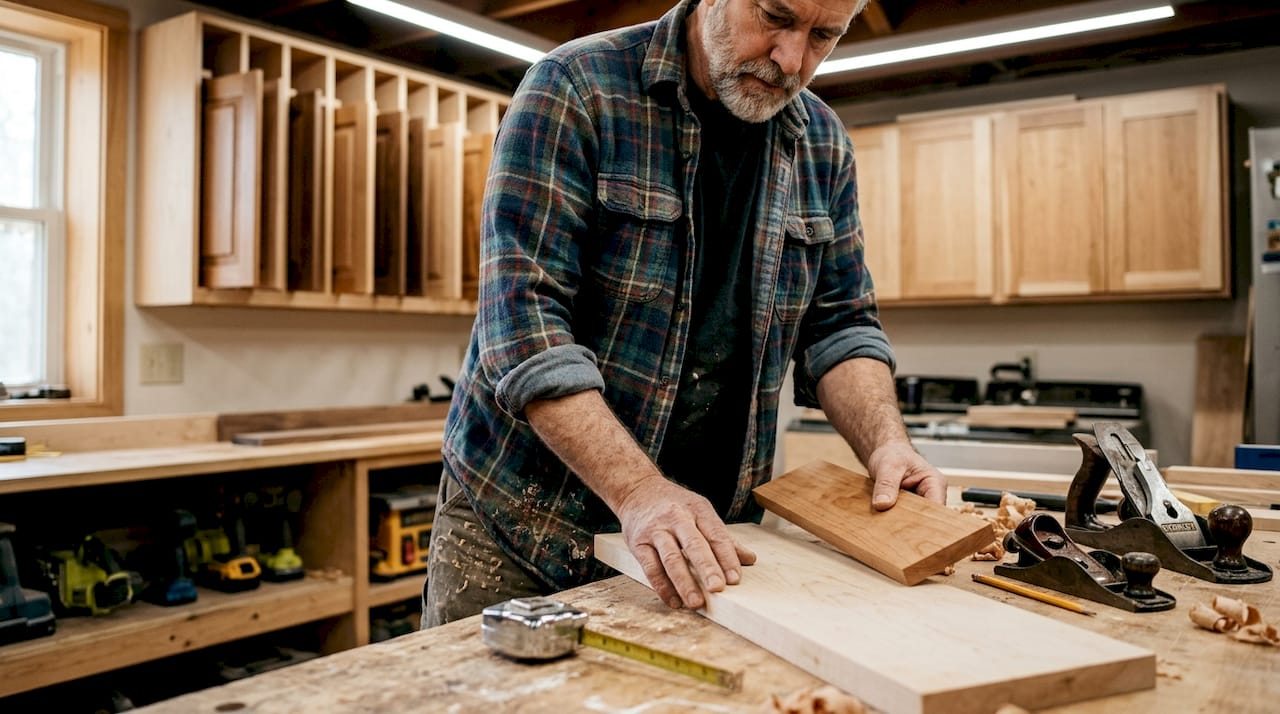
Joinery techniques define structural quality. Dado joints create strong connections for shelves, while rabbet joints provide clean edges for cabinet backs. Mortise and tenon joints offer maximum strength for frame construction. These traditional methods distribute stress evenly and prevent the loosening that plagues cheaper furniture assembled with screws and glue alone.
Securing your entryway furniture to wall studs prevents tipping and ensures stability. Locate studs with a stud finder and use heavy-duty screws or lag bolts to anchor tall cabinets and benches. This step is especially critical if you have young children who might climb on furniture.
Pro Tip: Request a detailed cut list and assembly diagram from your craftsman so you understand exactly how your entryway is constructed and can make informed decisions about modifications.
| Component | Standard Dimension | Purpose |
|---|---|---|
| Walkway width | 36 inches minimum | Allows comfortable passage with items |
| Coat closet depth | 24 inches internal | Accommodates hangers without crowding |
| Bench height | 17-18 inches | Provides ergonomic seating for shoe changes |
| Cabinet anchoring | Secured to studs | Prevents tipping and ensures stability |
Critical material and construction factors:
- Solid hardwood resists wear and can be refinished multiple times
- Dado and rabbet joints provide superior strength over simple butt joints
- Wall stud anchoring prevents accidents and structural failure
- Quality drawer slides and hinges ensure smooth operation for years
- Finish quality protects wood from moisture and daily handling
Designing for space constraints and Maryland craftsmanship
Small or narrow entryways need vertical or hidden storage solutions, while Maryland craftsmen offer solid hardwood custom work without MDF. Adapting your design to real-world constraints ensures your entryway delivers maximum function without overwhelming the space. Maryland’s rich tradition of fine woodworking also provides access to artisans who prioritize quality over shortcuts.
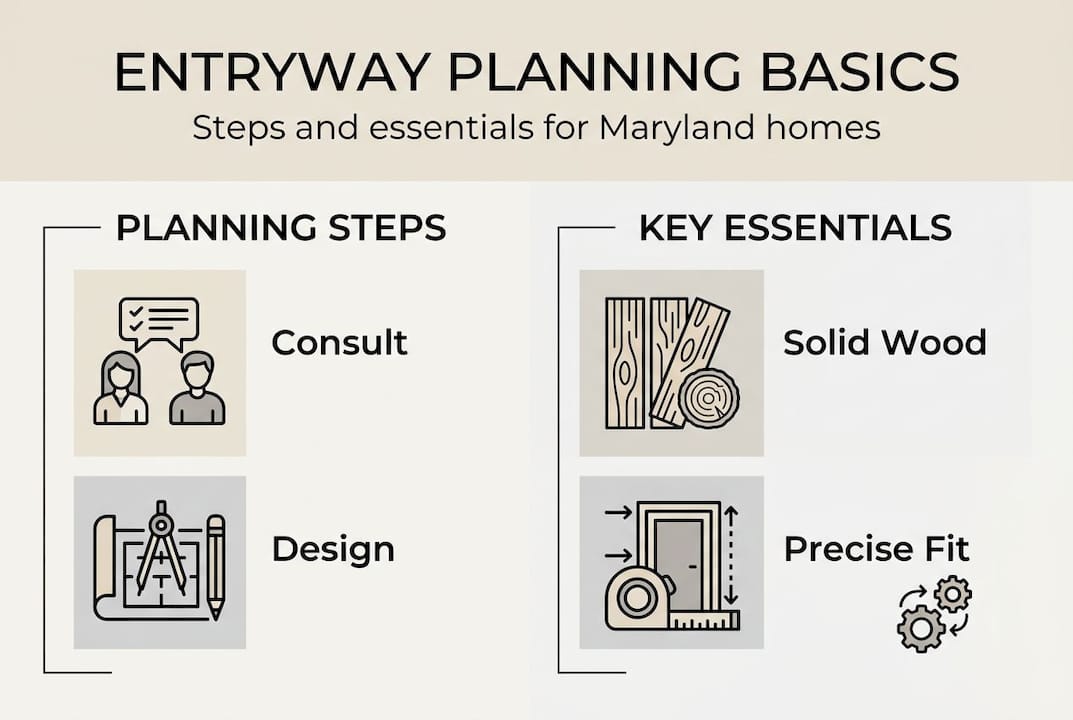
Small spaces benefit dramatically from vertical storage strategies. Floor-to-ceiling cabinets maximize every inch of wall space, providing ample storage without encroaching on walkways. Floating consoles create visual lightness while offering surfaces for keys and mail. Hidden compartments built into benches or behind decorative panels keep clutter out of sight. These design choices make even compact entryways feel organized and spacious.
Mudrooms serving high-traffic areas require durable finishes and protective features. Consider adding tile or waterproof flooring beneath coat hooks to handle wet boots and umbrellas. Sealed or lacquered wood finishes resist moisture damage better than oil-based treatments. Built-in drip trays or boot racks protect your flooring investment while keeping the space tidy.
Shallow closets measuring less than 20 inches deep present unique challenges. Pull-out valet rods allow you to hang coats perpendicular to the wall, maximizing usable depth. Hooks mounted on the inside of closet doors add hanging capacity without consuming floor space. Adjustable shelving accommodates changing storage needs as seasons shift.
Local craftsmen such as Artis Woodworking, Highfill Custom Woodworks, and A1 Renovations serve Maryland with design-build processes. These artisans bring decades of experience working with regional architectural styles, from historic colonials to modern townhomes. Their hands-on approach means you work directly with the person building your furniture, ensuring clear communication and personalized attention throughout the project.
Maryland craftsmen typically avoid MDF and particleboard, focusing instead on solid hardwood construction that honors traditional furniture-making standards. This commitment to quality results in pieces that complement your home’s existing woodwork and trim, creating a cohesive, custom look that mass-produced furniture cannot match.
| Design Challenge | Solution | Benefit |
|---|---|---|
| Small footprint | Vertical cabinets and floating consoles | Maximizes storage without crowding walkways |
| High traffic | Durable finishes and protective flooring | Resists daily wear and moisture damage |
| Shallow depth | Pull-out valet rods and door hooks | Optimizes limited closet space |
| Style integration | Local craftsmen familiar with regional architecture | Ensures cohesive design with existing home features |
Maryland-specific design considerations:
- Regional humidity levels require proper wood sealing and ventilation
- Historic home renovations often need custom sizing to fit original architecture
- Local building codes may affect installation methods and materials
- Seasonal weather variations demand durable, weather-resistant finishes
- Maryland custom woodworking services understand these regional nuances
Balancing budget, style preferences, and home value impact
DIY budgets average $450 to $500 using paint-grade materials, while professional builds exceed $2000 for heirloom quality. Understanding these financial realities helps you make informed decisions that align with your goals and resources. Style preferences and potential home value increases also play crucial roles in determining your best path forward.
Budget-conscious DIY projects typically use paint-grade MDF or pine with decorative trim work. These materials accept paint well and allow you to achieve a custom look at a fraction of professional costs. However, they require more frequent maintenance and lack the longevity of solid hardwood. If you have basic carpentry skills and time to invest, this approach delivers respectable results for temporary or rental properties.
Professional custom entryways employ solid wood with precision joinery and cost $2000 or significantly more, depending on complexity and materials. This investment buys you furniture built to last generations, with the structural integrity to withstand daily family use. Professional craftsmen also handle complex installations that DIYers might find challenging, such as integrating built-ins with existing electrical outlets or HVAC vents.
Custom built-ins can boost Maryland home value by 10 to 15%, providing solid return on investment when you eventually sell. Buyers appreciate move-in-ready homes with thoughtful storage solutions, and quality craftsmanship signals overall home care. This value increase often exceeds the initial project cost, making professional custom work a financially sound decision for long-term homeowners.
Style choices range widely. Minimalist modern designs feature clean lines, flat-panel doors, and simple hardware, creating an uncluttered aesthetic that appeals to contemporary tastes. Luxury traditional styles incorporate decorative moldings, raised panels, and ornate hardware, evoking classic elegance. Your choice should reflect your home’s existing architecture and your personal preferences.
Functionality often guides families with young children or active lifestyles. Abundant hooks, cubbies, and benches accommodate sports equipment, backpacks, and seasonal gear. Aesthetics appeal more to homeowners who entertain frequently or want to make a strong first impression. Most successful entryways balance both priorities, creating spaces that work hard while looking beautiful.
Pro Tip: Invest in the best hardware you can afford, even on a tight budget, as quality hinges and drawer slides dramatically improve daily function and longevity.
Budget and style factors to weigh:
- DIY saves money upfront but requires time, tools, and carpentry skills
- Professional builds offer superior quality and faster completion
- Solid hardwood costs more initially but lasts decades longer than alternatives
- Style should complement your home’s architecture for maximum value impact
- Professional custom entryway options provide expert guidance on balancing priorities
Discover expert custom entryway solutions in Maryland
Now that you understand the complete planning process, consider partnering with experienced professionals who can bring your vision to life with precision and care. Furniture Design Group specializes in custom entryway furniture services designed specifically for Maryland homes, combining over 20 years of craftsmanship expertise with personalized attention to your unique needs.
Our streamlined design-build approach covers every phase from initial consultation through final installation, ensuring your project stays on schedule and exceeds expectations. We work exclusively with premium hardwoods and employ traditional joinery techniques that create furniture built to last generations. Whether you need a compact solution for a narrow hallway or an expansive mudroom system for a busy family, our team tailors every detail to your specifications, lifestyle, and budget while enhancing your home’s value and daily function.
How do I ensure accurate measurements for a custom entryway?
Use a tape measure to record dimensions for width, depth, ceiling height, and door swing clearance, noting any baseboards, outlets, or architectural features that affect the design. Measure at multiple points along each wall since older homes often have irregular dimensions. Consulting a professional for precise measurements helps you avoid installation issues and ensures your custom entryway planning process starts with accurate data that translates into perfectly fitted furniture.
What are the best woods to use for durable entryway furniture?
Hardwoods such as cherry and oak provide strength and age beautifully, developing rich patinas over time. Maple offers exceptional hardness for high-traffic areas, while walnut delivers stunning grain patterns for statement pieces. Avoid MDF and particleboard if you want long-lasting, heirloom quality furniture that can be refinished multiple times and withstands the rigors of daily family use.
How can I maximize storage in a small entryway space?
Use vertical cabinetry and floating consoles to save floor space while providing ample storage for coats, bags, and accessories. Incorporate hidden storage compartments within benches and pull-out valet rods in shallow closets to optimize every available inch. Wall-mounted hooks, narrow shelving units, and multi-functional furniture pieces like storage ottomans further expand capacity without overwhelming compact spaces.
What is the typical return on investment for custom entryway built-ins in Maryland?
Expect a 10 to 15% increase in home value from quality custom built-ins that demonstrate superior craftsmanship and thoughtful design. Investment returns vary with the level of craftsmanship, materials used, and your local real estate market conditions. Professional installations using solid hardwoods typically deliver stronger ROI than DIY projects with budget materials, as discerning buyers recognize and pay premiums for quality workmanship that enhances both function and aesthetic appeal.