
TL;DR:
- Choosing the right materials for custom furniture involves balancing durability, aesthetics, environmental impact, and maintenance for specific use cases.
- Matching your material to your lifestyle and verifying certifications ensures long-lasting, safe, and eco-friendly pieces.
Choosing the right materials for custom furniture is one of the most consequential decisions you’ll make in any home project. The wrong call means a beautiful piece that warps, stains, or falls apart within years. The right call means furniture that earns its place in your home for decades. Whether you’re commissioning a built-in mud locker, designing a dining table, or sourcing pieces for a client, the selection process involves real tradeoffs between durability, budget, aesthetics, environmental impact, and maintenance. This guide walks you through every major category so you can decide with confidence.
Table of Contents
- Key takeaways
- 1. Solid hardwood
- 2. Furniture-grade plywood
- 3. MDF and particleboard
- 4. Wood veneer
- 5. Steel and powder-coated metal
- 6. Teak and tropical hardwoods
- 7. HDPE lumber
- 8. Stone and concrete tops
- 9. Cotton, linen, and natural fiber upholstery
- 10. Leather and performance synthetics
- 11. Comparing furniture materials head to head
- 12. How to match materials to your specific project
- My honest take on material selection mistakes
- How Furnituredesigngroup helps you get the material choice right
- FAQ
Key takeaways
| Point | Details |
|---|---|
| No single material wins everything | Match your material to your specific use case, lifestyle, and maintenance capacity. |
| Composite wood certifications matter | Always request EPA compliance documentation for plywood, MDF, and particleboard to protect indoor air quality. |
| Outdoor furniture is a system decision | Pair the right wood species with appropriate metal finishes and coatings based on your local climate. |
| Upholstery choice shapes daily life | Factor in household activity, pets, and cleaning habits before committing to any fabric or leather. |
| Furniture-grade specs change outcomes | Specifying furniture-grade materials over construction-grade prevents visible defects and finishing failures. |
1. Solid hardwood
Solid hardwood remains the benchmark for premium custom furniture. Species like white oak, hard maple, cherry, and walnut each bring distinct grain patterns, hardness ratings, and color tones. White oak is exceptionally stable and resists moisture well, making it a top pick for entryway pieces that see daily traffic. Walnut carries a rich, dark tone that photographs beautifully and ages gracefully.
The tradeoff is cost and movement. Solid wood expands and contracts with seasonal humidity changes, so a poorly designed joint or an incompatible finish will crack over time. A skilled fabricator accounts for this in the construction method. When the craftsmanship matches the material, solid hardwood is simply unbeatable for longevity and character.
2. Furniture-grade plywood
Plywood gets overlooked because of its reputation as a construction material. Furniture-grade plywood is a different animal entirely. Furniture-grade plywood features cleaner face veneers, better core construction, and far fewer visible defects than structural grades. That matters enormously when edges will be exposed or surfaces need a flawless painted finish.
The core quality also affects how well the panel holds screws and accepts router cuts, both of which are critical in cabinet-style furniture like mud lockers and built-ins. Specifying furniture-grade plywood is non-negotiable when exposed-edge modern designs are part of the plan.
Pro Tip: Ask your fabricator to confirm the plywood grade in writing before production begins. “Furniture grade” means something specific in terms of veneer cleanliness and core consistency, and confirming it upfront prevents finish surprises later.
3. MDF and particleboard
Medium-density fiberboard (MDF) and particleboard are affordable furniture materials that work well for painted applications where grain texture is undesirable. MDF machines cleanly, holds paint without grain telegraphing, and stays flat. For painted cabinet doors, shelving, and decorative molding, it performs reliably and costs significantly less than hardwood or quality plywood.
The concern with both materials is formaldehyde. Composite wood adhesives are regulated by the EPA under TSCA Title VI, and 2026 updates propose new quality control test methods for emissions. For interior furniture in living spaces, you should request certification documentation confirming the product meets current standards. Composite wood compliance documentation requirements now include labeling, recordkeeping, and third-party emissions testing.
4. Wood veneer
Veneer offers the visual warmth of rare or expensive wood species at a fraction of the cost. A thin slice of figured walnut, burl oak, or zebrawood is applied over a stable substrate like MDF or furniture-grade plywood, giving you the aesthetic without the price or the movement concerns of solid wood.
The misconception is that veneer is cheap or fragile. Quality veneer on a well-prepared substrate is durable and refinishable. It becomes a problem only when the substrate is poor quality or when the veneer is sanded through during finishing. For high-end custom furniture where visual impact matters more than raw texture, veneer is genuinely one of the best materials for furniture.
5. Steel and powder-coated metal
Steel brings structural strength that wood simply cannot match at equivalent dimensions. In custom furniture, steel frames support heavy stone tops, create slim console silhouettes, and add an industrial character that has remained popular in contemporary interiors. Powder-coated finishes add corrosion resistance and come in virtually unlimited colors, including matte blacks and warm bronzes that complement wood accents.

For outdoor applications, powder-coated aluminum is preferred over mild steel because aluminum does not rust. Marine-grade stainless steel is the right call for coastal environments where salt air accelerates corrosion. The weight difference between steel and aluminum also matters for movable outdoor pieces.
6. Teak and tropical hardwoods
For outdoor custom furniture, material selection becomes a climate-specific decision. Teak’s natural oils and tight grain repel water, resist insects, and prevent warping in ways that most other species cannot match. It is considered the gold standard for outdoor furniture, particularly in coastal and humid climates.
Ipe, shorea, and eucalyptus are strong alternatives that offer similar density and weather resistance at lower price points. The key consideration with tropical hardwoods is sourcing. Look for FSC certification to confirm the wood comes from responsibly managed forests. This is one area where eco-friendly furniture materials and high performance genuinely overlap without compromise.
7. HDPE lumber
High-density polyethylene (HDPE) lumber is made from recycled plastics, primarily milk jugs and detergent bottles, and it produces outdoor furniture that never rots, splinters, or requires sealing. It has grown substantially in popularity for patio and deck furniture because the lifecycle maintenance cost is essentially zero.
HDPE does not carry the warmth of wood grain, and it can flex under heavy loads unless the design accounts for it structurally. For families who want outdoor furniture that genuinely requires no upkeep, it is one of the most practical sustainable materials for furniture available today.
8. Stone and concrete tops
Stone and concrete work as accent materials rather than primary structural ones in custom furniture. A walnut base with a honed marble top creates a combination that neither material achieves alone. Concrete can be cast in custom shapes and tinted to match a specific palette, giving designers control that quarried stone cannot offer.
Both materials add significant weight, which affects placement and delivery logistics. Marble is prone to etching from acidic liquids like lemon juice and wine, so it works better in low-traffic spaces than in kitchen or dining applications. Quartz surfaces engineered for furniture offer the visual of stone with better stain resistance and are worth considering for high-use custom pieces.
9. Cotton, linen, and natural fiber upholstery
Among the types of furniture materials for upholstered pieces, natural fibers remain the most popular for residential custom seating. Cotton is easy to clean and resists pilling, making it reliable for everyday sofas and chairs. Linen regulates temperature well and drapes beautifully but wrinkles more easily and can be harder to spot-clean.
Wool performs exceptionally in high-use situations because its natural lanolin content resists soiling and it bounces back from compression. For a custom piece that will see daily family use, a tight-weave wool or wool-blend fabric outperforms most alternatives at the same price point.
Pro Tip: Always request a fabric sample and test it with a damp cloth before committing to upholstery for custom furniture. How a fabric responds to moisture tells you more about its real-world durability than any spec sheet.
10. Leather and performance synthetics
Leather remains the most recognizable premium upholstery material. Full-grain leather develops a patina over time and is genuinely more durable than most fabric alternatives in high-traffic applications. The downsides are cost, sensitivity to direct sunlight, and the need for periodic conditioning.
Performance synthetics like polyester, nylon, and microfiber have closed the quality gap considerably. Microfiber in particular resists stains effectively, holds its shape, and cleans easily. For households with children or pets, microfiber and performance polyester offer durability and low-maintenance upkeep that natural fabrics and leather cannot match at similar price points. For eco-conscious buyers, recycled polyester upholstery options now address the sustainability side of furniture disposal by extending the useful life of recycled materials.
11. Comparing furniture materials head to head
Before you finalize any material choice, a side-by-side comparison clarifies where each option actually lands across the criteria that matter. No single material wins all categories, which is exactly why matching material strengths to your specific project needs produces better long-term outcomes than chasing a single “best” option.
| Material | Durability | Cost | Maintenance | Eco-friendly? |
|---|---|---|---|---|
| Solid hardwood | Very high | High | Medium | Yes, if FSC certified |
| Furniture-grade plywood | High | Medium | Low | Check certification |
| MDF / particleboard | Medium | Low | Low | Request EPA compliance docs |
| Teak / tropical hardwood | Very high | High | Low | Yes, if FSC certified |
| Steel / powder-coated metal | Very high | Medium | Low | Recyclable |
| HDPE lumber | High | Medium | Very low | Made from recycled plastic |
| Stone / concrete | High | Medium to high | Medium | Varies by sourcing |
| Cotton / linen upholstery | Medium | Low to medium | Medium | Yes, natural origin |
| Leather | High | High | Medium | Debatable |
| Microfiber / synthetic | Medium to high | Low to medium | Low | Recycled options available |
12. How to match materials to your specific project
The practical question is not which material is best in the abstract. It is which material is best for your piece, your space, and your life. Here is a decision framework worth working through before you finalize anything:
- Define where the furniture will live. Indoor pieces in climate-controlled rooms tolerate a wider range of materials than outdoor or entryway pieces exposed to moisture and temperature swings.
- Assess your actual maintenance habits honestly. A beautiful oiled hardwood surface that never gets oiled will look worse within two years than a sealed plywood alternative that requires no upkeep.
- Ask your fabricator for the specific product certifications on any composite wood materials used, particularly for indoor air quality in bedrooms and children’s rooms.
- Match the hardwood species or metal finish to the stress the piece will actually face. A white oak entryway locker handles daily abuse well. Walnut in the same spot is softer and will show dents faster.
- Factor in hardwood floor care compatibility if your furniture will sit on wood floors, since some furniture feet and finishes can transfer staining or cause abrasion over time.
My honest take on material selection mistakes
I’ve watched homeowners spend generously on custom pieces and then feel disappointed six months in, and the root cause almost always traces back to the same misstep. They chose the material that looked best in photos rather than the material that fit their life.
Solid walnut looks stunning in every showroom. It also dents from dropped keys, scratches from heavy bags, and needs attention to maintain that look. For an entryway locker where kids throw backpacks and boots pile up, white oak or painted furniture-grade plywood with a durable topcoat will outperform it in real life. That is not a knock on walnut. It is just the wrong tool for the job.
The other mistake I see consistently is skipping the certification conversation with fabricators. With the EPA tightening formaldehyde emission standards for composite wood products through 2026, asking for documentation is no longer excessive. It is reasonable, and a quality fabricator should have it ready. If they do not, that tells you something about how they source materials.
Finally, I want to push back on the idea that eco-friendly furniture materials always come at a price premium. HDPE lumber, recycled polyester upholstery, and FSC-certified domestic hardwoods are genuinely competitive on price. The sustainable choice is often the practical one too.
— Donovan
How Furnituredesigngroup helps you get the material choice right
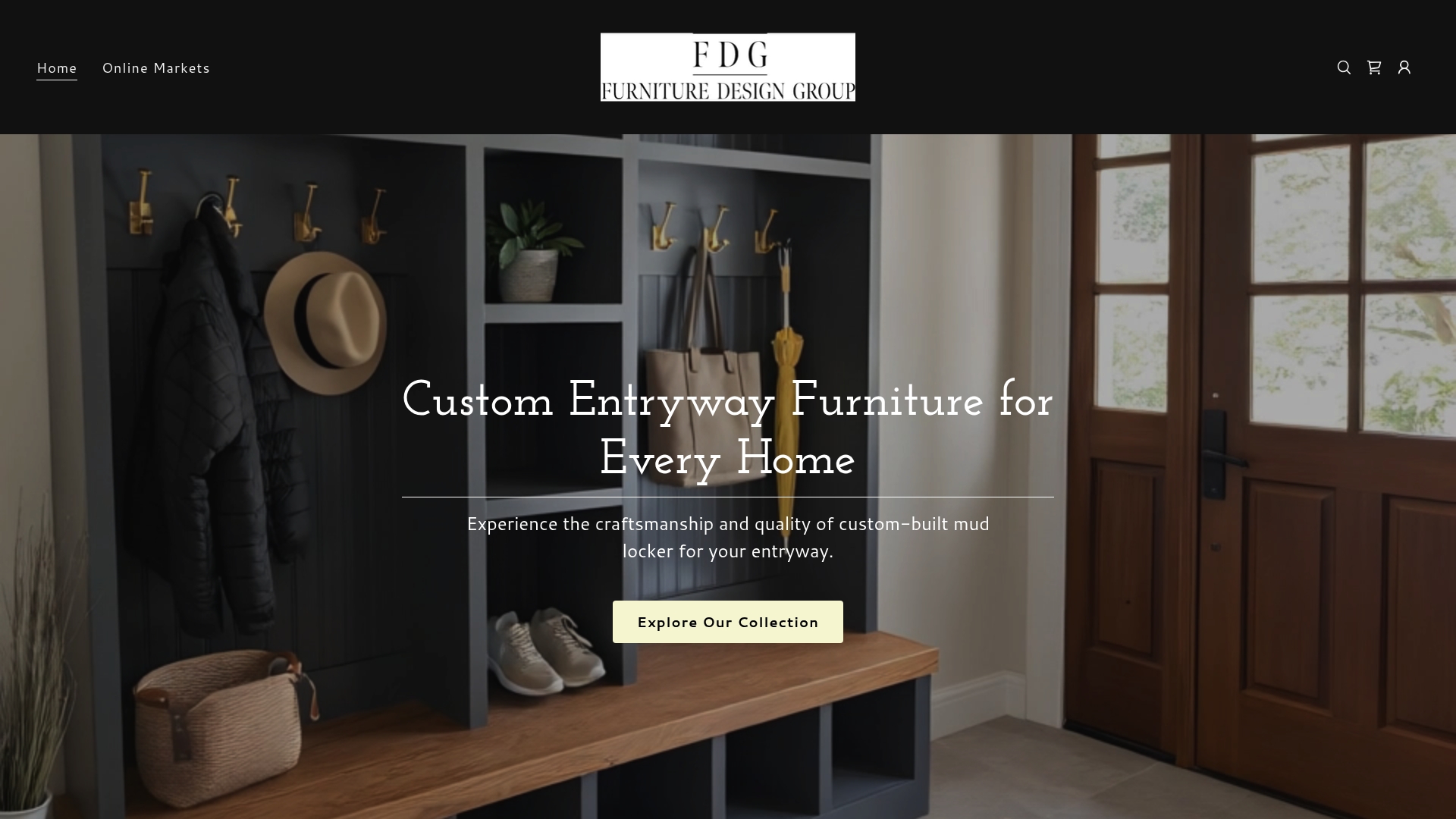
Material selection is where custom furniture projects succeed or fail before a single cut is made. At Furnituredesigngroup, a Maryland-based family-owned workshop with over 20 years of experience, material guidance is built into every project conversation. The team helps homeowners and designers evaluate custom furniture options across wood species, composite grades, finishes, and hardware, matching selections to actual use conditions rather than trends. Whether you are building out an entryway with a mud locker or furnishing a full room, Furnituredesigngroup sources quality-certified materials and applies artisanal construction techniques that make the difference visible. Explore the project gallery or reach out directly to start a conversation about your next piece.
FAQ
What are the most durable materials for custom furniture?
Solid hardwoods like white oak and teak, powder-coated steel, and HDPE lumber rank among the most durable options. The right choice depends on whether the piece is for indoor or outdoor use.
Is furniture-grade plywood worth the extra cost?
Yes. Furniture-grade plywood has cleaner face veneers and better core quality than construction grades, which directly affects how well the finished piece looks and how reliably it holds fasteners.
What should I ask about composite wood and formaldehyde?
Request certification documentation showing the product complies with EPA TSCA Title VI formaldehyde emission standards. This matters for indoor air quality, especially in bedrooms and children’s rooms.
Which upholstery fabric holds up best with kids and pets?
Microfiber and performance polyester resist stains well and clean easily, making them the most practical choices for high-traffic households. Wool is a strong natural-fiber alternative with good resilience.
Are eco-friendly furniture materials more expensive?
Not always. HDPE lumber made from recycled plastics, FSC-certified domestic hardwoods, and recycled polyester upholstery are competitively priced and often reduce long-term maintenance costs.