
Entryways in Maryland homes take a beating from wet winters, muddy springs, and daily family traffic. Without dedicated storage, coats pile up, shoes scatter across floors, and backpacks disappear when you need them most. A custom mudroom transforms chaos into calm by creating designated zones for every item that enters your home, protecting your floors and reducing morning stress while adding lasting value to your property.
Table of Contents
- Understanding The Problem: Why Mudroom Organization Matters
- Preparing For Your Mudroom Project: Essential Considerations
- Executing Your Mudroom Design: Creating A Functional And Stylish Space
- Verifying Your Mudroom’s Effectiveness: Maintenance And Troubleshooting
- Discover Expert Custom Mudroom Solutions With Furniture Design Group
- FAQ
Key takeaways
| Point | Details |
|---|---|
| Custom mudrooms boost organization and home value | Tailored storage solutions reduce clutter while increasing perceived home value by 15%. |
| Durable materials matter in Maryland’s climate | Moisture-resistant cabinetry and flooring withstand seasonal weather challenges and extend mudroom lifespan. |
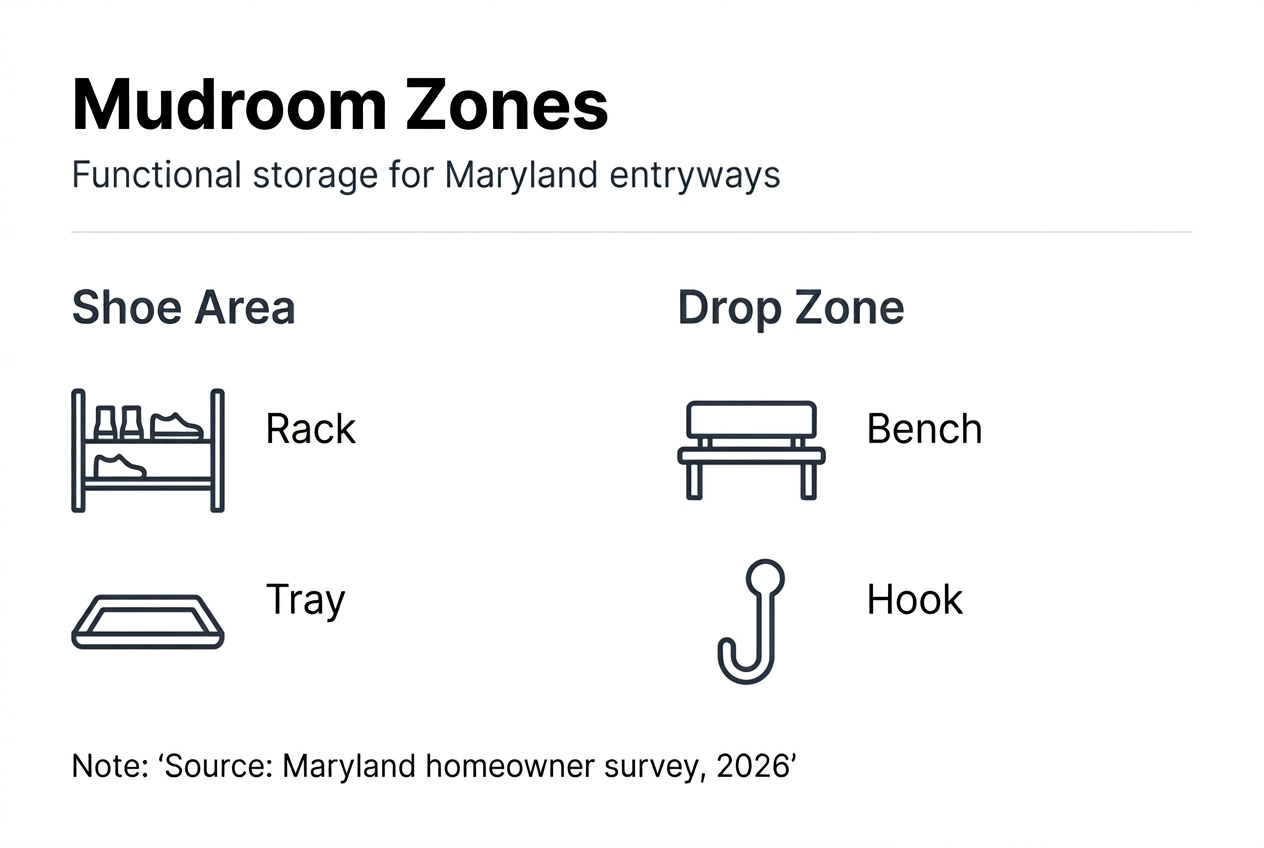
| Zone planning maximizes functionality | Dedicated areas for shoes, coats, seating, and miscellaneous items streamline daily routines. |
| Professional design prevents costly mistakes | Expert consultation optimizes space utilization and budget allocation for long-term success. |
Understanding the problem: why mudroom organization matters
Maryland homeowners face unique entryway challenges. Snow, rain, and mud track indoors during winter months, while humid summers bring moisture that damages hardwood floors and furnishings. Without a proper buffer zone, your home’s interior becomes a dumping ground for dirty shoes, wet coats, and scattered sports equipment.
Entryway clutter significantly impacts daily routines and home aesthetics. Piles of shoes create tripping hazards, coat heaps block walkways, and misplaced keys delay morning departures. These problems compound stress during already hectic school and work rushes, making every day harder than it needs to be.
A well-designed mudroom acts as your home’s first line of defense. It controls mess before it spreads, protects valuable flooring from water damage, and creates accountability for household organization. Mudrooms solve daily chaos by giving every item a designated home, which saves precious minutes during rushed mornings and reduces family friction over lost belongings.
Common entryway problems include:
- Shoe piles blocking doorways and creating safety hazards
- Wet coats dripping on floors and ruining finishes
- Backpacks, sports gear, and bags cluttering hallways
- Muddy paw prints and pet supplies scattered throughout
- No seating area for putting on or removing footwear
“A mudroom is the unsung hero of home organization. It’s the bouncer at your door, deciding what gets in and what stays contained.”
When you invest in proper mudroom organization, you’re not just buying storage. You’re purchasing peace of mind, protecting your investment, and creating a system that makes daily life run smoother. Exploring modern design trends in mudroom organization reveals how contemporary solutions blend practicality with Maryland’s traditional home styles.
Preparing for your mudroom project: essential considerations
Successful mudroom projects start with thorough planning. Before contacting contractors or ordering materials, you need a clear picture of your space, storage requirements, and design goals. This preparation phase determines whether your mudroom becomes a functional asset or an expensive disappointment.
Start by evaluating your available space options. Hallways, corners, closets, or dedicated rooms can all become effective mudrooms. Measure dimensions carefully, noting ceiling height, electrical outlets, and existing architectural features. Custom mudroom designs maximize space through strategic storage solutions that work within your home’s unique footprint, especially in smaller entryways where every inch counts.
Next, inventory your household’s storage needs. Count shoes, coats, bags, and sports equipment for each family member. Don’t forget seasonal items like winter boots, umbrellas, and gardening supplies. This inventory reveals exactly how much storage capacity your mudroom requires.
Key assessment factors:
- Number of household members and their storage needs
- Types of items requiring daily access versus seasonal storage
- Traffic flow patterns and door swing clearances
- Existing electrical and lighting infrastructure
- Budget constraints for materials and professional services
Moisture-resistant materials and strategic lighting enhance mudroom functionality in Maryland’s humid climate. Tile or luxury vinyl flooring resists water damage better than hardwood. LED lighting provides bright illumination for finding items quickly during dark winter mornings. Adequate ventilation prevents mold growth and musty odors.
| Design Zone | Primary Function | Recommended Features |
|---|---|---|
| Shoe storage | Organize footwear | Open cubbies, closed cabinets, pull-out drawers |
| Coat area | Hang outerwear | Hooks at varying heights, hanging rods |
| Seating | Comfort while changing | Built-in bench with storage underneath |
| Drop zone | Keys, mail, bags | Shelves, baskets, charging stations |
Professional design assistance prevents costly mistakes. Designers understand load-bearing walls, proper ventilation requirements, and code compliance issues that homeowners often overlook. They optimize your budget by recommending cost-effective materials that deliver durability without unnecessary luxury upgrades. Reviewing modern design trends in mudroom organization with a professional helps translate inspiration into practical reality.
Pro Tip: Photograph your entryway from multiple angles before planning begins. These images help designers understand your space remotely and serve as before photos to document your transformation.
Executing your mudroom design: creating a functional and stylish space
Transforming your entryway from cluttered to organized requires strategic material selection and thoughtful construction. The execution phase brings your planning to life through durable components that withstand daily wear while maintaining aesthetic appeal.
Material selection forms your mudroom’s foundation. Flooring must handle wet shoes, muddy boots, and pet paws without staining or warping. Tile offers classic durability and easy cleaning, while luxury vinyl planks provide a softer feel underfoot with comparable moisture resistance. Avoid hardwood in high-traffic mudrooms, as water damage requires expensive refinishing.
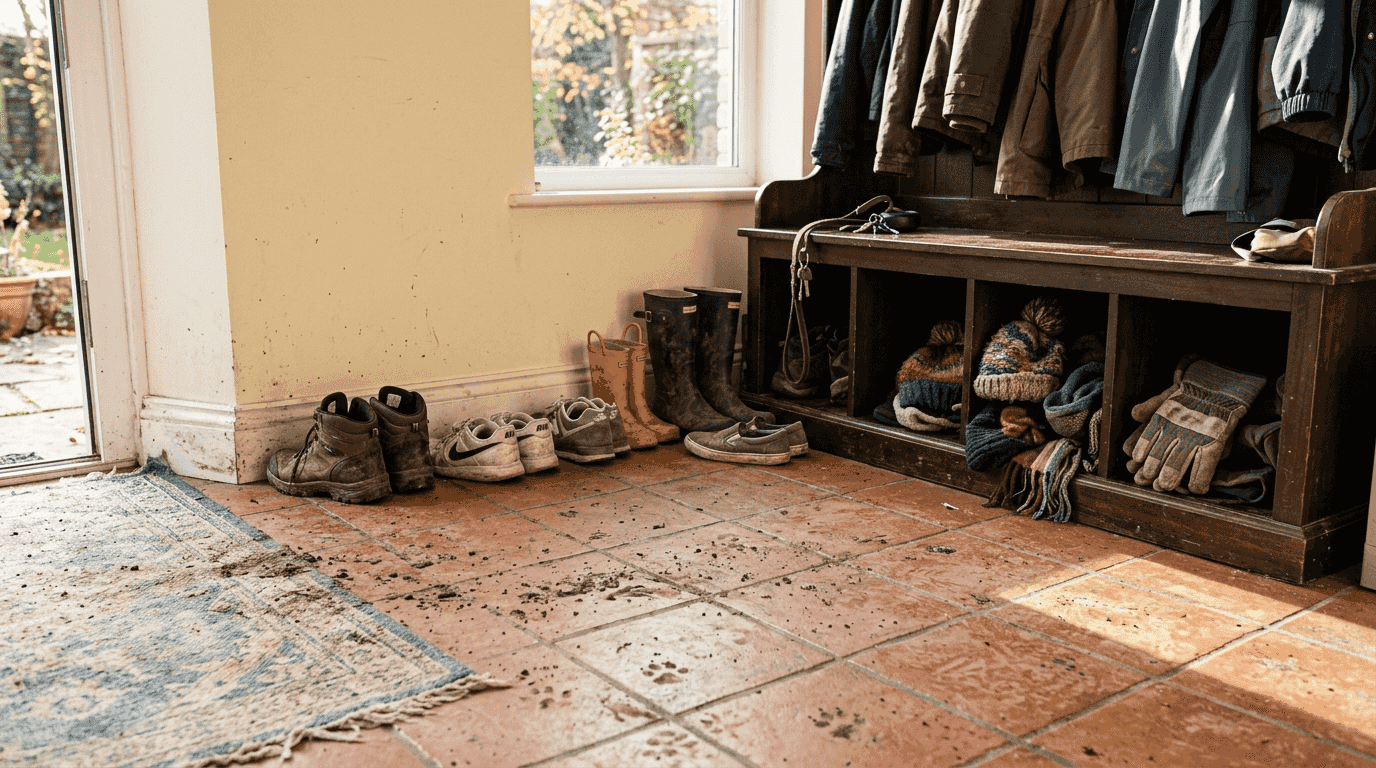
Custom cabinetry balances open and closed storage. Integrated bench seating with shoe storage, custom cubbies, and board and batten accents create the essential features Maryland homeowners value. Closed cabinets hide visual clutter like cleaning supplies and seasonal items, while open cubbies provide quick access to frequently used coats and bags.
Design execution steps:
- Create detailed floor plans showing measurements and component placement
- Select materials based on durability ratings and budget constraints
- Order custom cabinetry with lead times factored into project schedules
- Coordinate professional installation to ensure proper mounting and finishing
- Conduct final inspection verifying functionality and quality standards
Bench seating serves multiple purposes beyond comfort. Integrated shoe storage beneath seating maximizes vertical space efficiency. The bench height should accommodate both children and adults, typically 18 inches from the floor. Storage compartments underneath keep footwear organized and accessible while preventing floor clutter.
Board and batten or beadboard wall treatments add Maryland-style character. These classic finishes protect walls from scuffs and dings while creating visual interest. Paint them in durable semi-gloss or satin finishes that wipe clean easily. Coordinate colors with your home’s existing palette for cohesive design flow.
| Feature | Custom Solution | Prefab Option | Best For |
|---|---|---|---|
| Cost | Higher upfront investment | Lower initial expense | Custom: Long-term value; Prefab: Quick fixes |
| Durability | Premium materials, 20+ years | Standard materials, 5-10 years | Custom: High traffic; Prefab: Light use |
| Fit | Exact dimensions, maximizes space | Standard sizes, wasted space | Custom: Unique layouts; Prefab: Standard rooms |
| Customization | Unlimited design options | Limited configurations | Custom: Specific needs; Prefab: Simple storage |
Custom mudroom solutions provide superior long-term value compared to off-the-shelf storage options when properly designed and installed. The investment pays dividends through increased home value, reduced replacement costs, and daily convenience that prefab systems cannot match.
Lighting deserves careful attention. Install overhead fixtures for general illumination and task lighting near seating areas. Motion-sensor switches add convenience when entering with full hands. Natural light from windows or glass doors reduces daytime electricity costs while making the space feel larger.
Pro Tip: Install a small charging station with built-in USB ports in your drop zone. This keeps devices organized and prevents cord clutter while ensuring phones and tablets stay powered for busy days ahead.
Exploring modern design trends in mudroom organization reveals how contemporary aesthetics blend with traditional Maryland architecture for timeless appeal.
Verifying your mudroom’s effectiveness: maintenance and troubleshooting
Post-installation assessment determines whether your mudroom delivers promised functionality. Effective verification goes beyond visual inspection to evaluate how well the space serves your household’s daily routines and long-term storage needs.
Well-designed mudrooms facilitate daily routines by providing designated storage for each family member. Check that children can reach their hooks and cubbies independently. Verify that adult coats hang without touching the floor and shoe storage accommodates your largest boots. If family members continue dropping items elsewhere, your layout needs adjustment.
Moisture control elements require regular monitoring. Inspect flooring for water pooling or staining after rainy days. Check that ventilation systems remove humidity effectively, preventing musty odors. Replace door mats when they no longer absorb water efficiently. These small maintenance tasks prevent larger problems like mold growth or floor damage.
Effectiveness assessment checklist:
- Each household member has adequate, accessible storage space
- Items return to designated spots consistently without nagging
- Floors remain clean and dry despite weather conditions
- Morning routines proceed smoothly without searching for belongings
- Visual clutter stays contained within closed storage
Maintenance routines preserve organization over time. Schedule weekly tidying sessions to return misplaced items and wipe down surfaces. Conduct seasonal purges removing outgrown shoes, worn coats, and unused sports equipment. This prevents storage creep where accumulating items overwhelm your system.
Troubleshooting common issues:
- Moisture buildup: Add ventilation fans or dehumidifiers, replace absorptive mats
- Insufficient storage: Install additional hooks, add vertical shelving, purge unused items
- Poor traffic flow: Rearrange furniture, adjust door swing direction, create clearer pathways
- Lighting inadequacy: Upgrade to brighter LED bulbs, add task lighting, install motion sensors
- Wear and damage: Touch up paint, tighten hardware, replace damaged components promptly
Hiring a professional ensures successful outcomes by keeping projects on budget and avoiding expensive errors. When issues arise beyond simple fixes, professional assessment identifies root causes and recommends effective solutions. Annual maintenance visits catch minor problems before they become major headaches.
Periodic upgrades extend your mudroom’s lifespan. Replace worn bench cushions, update hardware finishes, or refresh paint colors to maintain aesthetic appeal. As children grow or household needs change, reconfigure storage to match evolving requirements. Quality custom construction adapts easily to these modifications.
Consider visiting modern design trends in mudroom organization resources annually to discover new organizational products and techniques that enhance your existing setup.
Discover expert custom mudroom solutions with Furniture Design Group
Now that you understand effective mudroom design principles, partnering with experienced craftsmen ensures flawless execution. Furniture Design Group brings over 20 years of expertise creating custom mudroom solutions that blend Maryland’s traditional elegance with modern functionality.

Their family-owned approach prioritizes personalized service and attention to detail that large contractors cannot match. From initial design consultation through final installation, their team manages every aspect of your project. They coordinate with trusted vendors, ensure precision measurements, and use premium materials built to withstand decades of daily use.
Comprehensive project management services eliminate the stress of juggling multiple contractors and suppliers. You get a single point of contact who understands your vision and delivers results that enhance both home value and daily living. Their showroom in Maryland welcomes homeowners to experience craftsmanship quality firsthand and explore design possibilities tailored to your unique needs.
FAQ
What features should every custom mudroom include?
Integrated bench seating with shoe storage, custom cubbies or lockers, and durable moisture-resistant finishes form the essential foundation. These features maximize organization and comfort for busy households while protecting your investment from weather-related damage.
How do I maintain my mudroom to prevent moisture damage?
Ventilate with fans or dehumidifiers and use moisture-resistant cabinetry and flooring materials. Adequate airflow and moisture-wicking materials reduce mold growth and energy use. Regularly clean mats and ensure wet items dry quickly to prevent damage.
Can a mudroom add value to my Maryland home?
Custom mudrooms improve organization and aesthetics, with organized entryways contributing to 15% increases in perceived home value. Quality craftsmanship and durable materials yield long-term benefits that appeal strongly to potential buyers while enhancing your daily living experience.
How much space do I need for an effective mudroom?
Even small spaces work effectively with smart design. A 4-foot by 6-foot area provides sufficient room for basic storage, seating, and traffic flow. Professional designers maximize limited square footage through vertical storage and multi-functional furniture that serves several purposes simultaneously.