
Finding custom entryway furniture that truly fits your Maryland home can be challenging when generic pieces fail to satisfy your vision. For homeowners who value both craftsmanship and personal design, the shift toward personalized furniture design transforms entryways into spaces that reflect individual style while enhancing daily functionality. Discover how digital customization and artisan techniques now empower you to create entryway solutions tailored to your unique needs and aesthetic preferences.
Table of Contents
- Defining Personalized Furniture Design Today
- Key Variations in Custom Entryway Solutions
- Distinctive Features and Customer Involvement
- Lasting Value Compared to Mass-Produced Furniture
- Cost, Timeline, and Common Pitfalls to Avoid
Key Takeaways
| Point | Details |
|---|---|
| Personalized Furniture Design | Engages consumers in the design process, enabling unique expressions of identity while balancing functionality and aesthetics. |
| Custom Entryway Solutions | Incorporate modular designs and adaptable components, allowing spaces to evolve with changing household needs. |
| Customer Involvement | Transforms furniture creation into a collaborative experience, fostering deeper connections between users and their environments. |
| Lasting Value of Custom Design | Offers superior craftsmanship and emotional investment, making personalized furniture a strategic long-term investment compared to mass-produced options. |
Defining Personalized Furniture Design Today
Personalized furniture design represents a sophisticated approach to creating living spaces that transcend traditional manufacturing constraints. At its core, this innovative practice enables homeowners to craft furniture solutions that seamlessly integrate individual style, functional requirements, and spatial dynamics. Digital customization practices now empower consumers to actively participate in the design process, transforming furniture from mass-produced objects into personalized expressions of identity.
The contemporary landscape of personalized furniture design involves several key components that distinguish it from conventional manufacturing:
- Digital modeling tools that allow precise geometric customization
- Computational design techniques enabling complex aesthetic modifications
- Consumer-driven parameter selection for dimensions and features
- Integration of traditional craftsmanship with modern technological capabilities
Designers now leverage advanced computational methods to bridge individual preferences with structural integrity. Personalized design approaches merge artisan techniques with technological innovation, creating furniture that reflects both personal aesthetic and practical functionality. This evolution represents more than aesthetic customization - it’s a fundamental reimagining of how furniture interfaces with personal living environments.
Pro tip: When exploring personalized furniture design, prioritize functionality alongside aesthetic preferences to create truly transformative living spaces.
Key Variations in Custom Entryway Solutions
Custom entryway furniture solutions represent a dynamic approach to designing functional and personalized home entry spaces. Modular design systems have revolutionized how homeowners conceptualize and utilize their entryway environments, offering unprecedented flexibility and adaptability to diverse living scenarios.
The primary variations in custom entryway solutions encompass several critical design strategies:
- Modular configurations that adapt to changing spatial requirements
- Multi-functional component design supporting diverse user needs
- Integrated storage solutions maximizing spatial efficiency
- Ergonomic considerations tailored to individual household dynamics
- Cultural aesthetic adaptations reflecting personal design preferences
Flexible furniture design now emphasizes interchangeable components that support long-term adaptability. These innovative approaches enable homeowners to reconfigure their entryway spaces as lifestyle needs evolve, ensuring that furniture remains functional and aesthetically relevant across different life stages.
The intersection of technological innovation and personalized design has transformed entryway furniture from static installations to dynamic, responsive living solutions. By integrating user preferences with advanced computational design techniques, manufacturers can now create highly customized entryway systems that seamlessly blend individual style, practical functionality, and spatial intelligence.
Pro tip: When designing a custom entryway solution, prioritize adaptable components that can be easily reconfigured to accommodate changing household needs.
Distinctive Features and Customer Involvement
Customer involvement has become the cornerstone of modern personalized furniture design, transforming traditional manufacturing approaches into collaborative creative experiences. Design management strategies now prioritize direct consumer engagement, enabling individuals to shape their furniture from conceptualization through final production.
The distinctive features of personalized furniture encompass several key elements that distinguish them from mass-produced alternatives:
- Interactive design platforms allowing real-time customization
- Ergonomic adaptation tailored to individual physical needs
- Material selection reflecting personal aesthetic preferences
- Dimensional flexibility supporting unique spatial requirements
- Emotional value integration that connects furniture to personal narrative
Personalized furniture design now extends beyond mere aesthetic modifications, creating deeply meaningful connections between users and their living environments. This approach empowers consumers to co-create furniture that not only meets functional requirements but also embodies individual identity, cultural background, and personal lifestyle nuances.
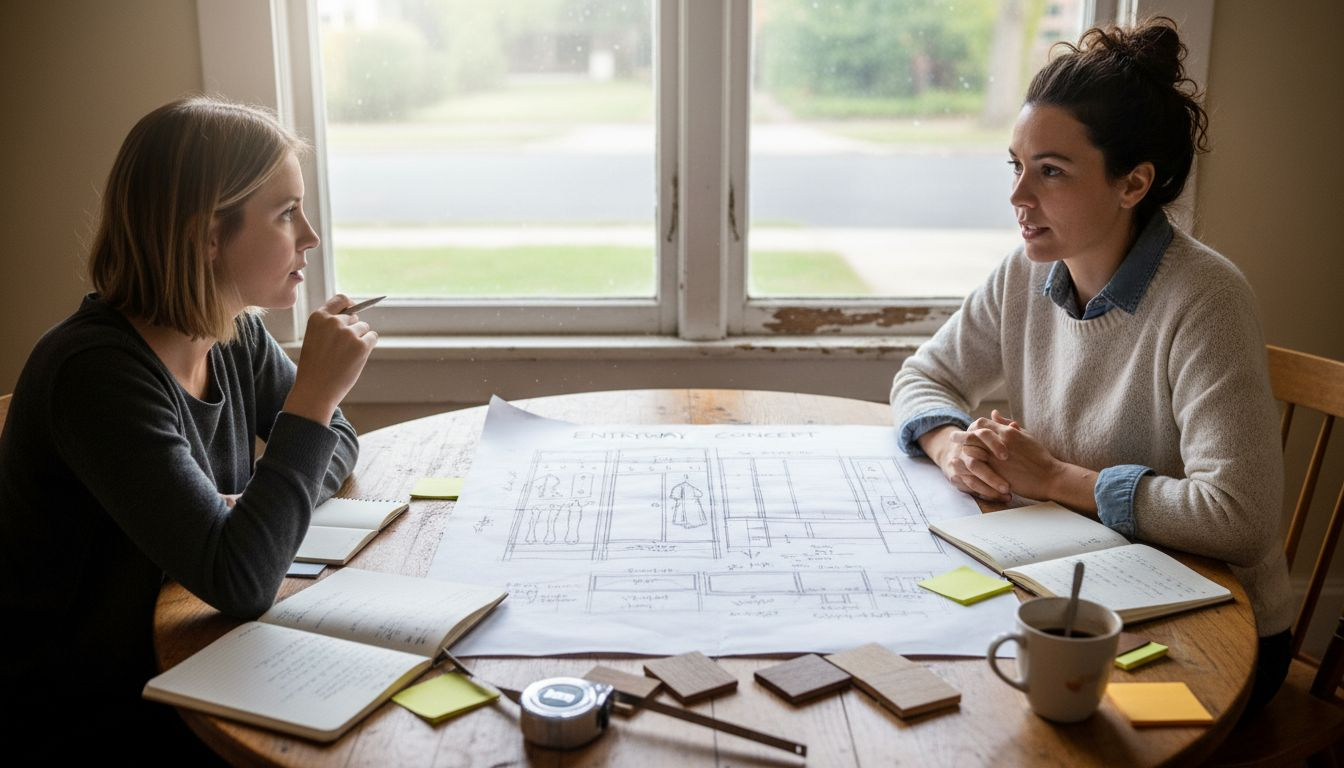
The emerging paradigm of customer involvement represents a significant shift from passive consumption to active design participation. By integrating advanced digital tools, iterative feedback mechanisms, and flexible manufacturing techniques, furniture designers can now offer unprecedented levels of personalization that transform living spaces into true reflections of individual identity.
Pro tip: Approach personalized furniture design as a collaborative journey, where your input and vision are as crucial as the designer’s expertise.
Lasting Value Compared to Mass-Produced Furniture
Custom furniture design represents a fundamental departure from traditional mass-produced solutions, offering homeowners a profound alternative to generic, one-size-fits-all product approaches. Unlike standardized furniture that quickly loses aesthetic and functional relevance, personalized pieces are engineered to adapt, evolve, and maintain exceptional value throughout changing life stages.
The lasting value of custom furniture manifests through several critical dimensions:
- Superior material selection ensuring long-term durability
- Precise dimensional compatibility with specific living spaces
- Emotional investment that transcends typical consumer relationships
- Adaptable design supporting lifestyle transformations
- Craftsmanship quality exceeding mass manufacturing standards
Personalized furniture fundamentally challenges the disposable nature of mass-produced alternatives by introducing intentionality into design and construction. Each piece becomes a narrative element within a home, reflecting individual taste, spatial requirements, and personal history. The investment goes beyond monetary value, creating furniture that grows more meaningful with time and use.
While mass-produced furniture typically depreciates rapidly and requires frequent replacement, custom-designed pieces represent a strategic long-term investment. By prioritizing quality craftsmanship, individual specifications, and meticulous construction techniques, personalized furniture maintains structural integrity and aesthetic appeal far beyond conventional product lifecycles.
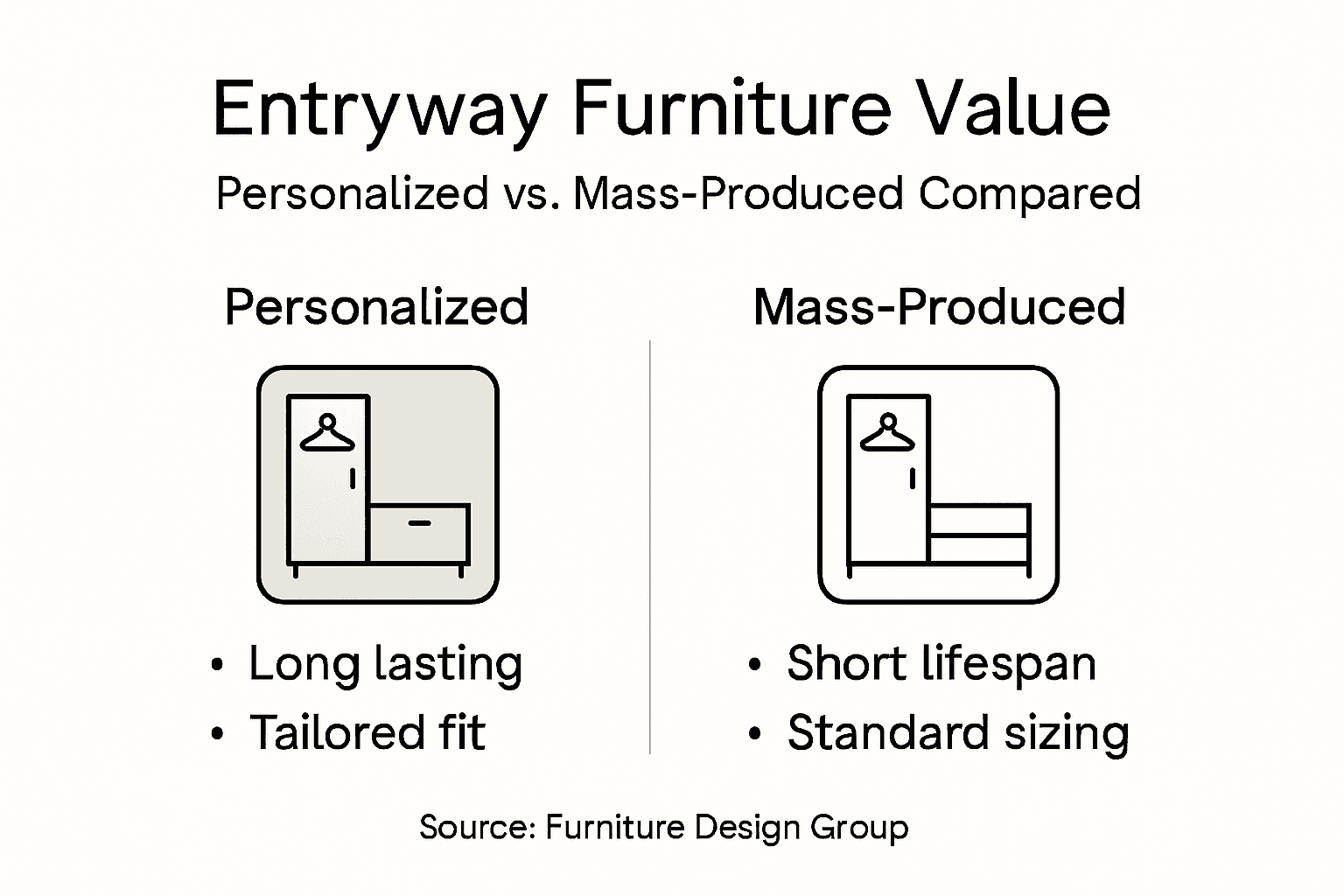
Here’s how custom and mass-produced furniture compare on key aspects:
| Aspect | Custom Furniture | Mass-Produced Furniture |
|---|---|---|
| Longevity | Built for decades of use | Often replaced every few years |
| Aesthetic Value | Reflects personal taste | Generic, limited choices |
| Adaptability | Easily updated or modified | Fixed, hard to alter |
| Emotional Connection | High, personal investment | Low, viewed as disposable |
| Upfront Cost | Higher initial investment | Lower purchase price |
Pro tip: Consider custom furniture as a generational investment, where quality and personal meaning outweigh initial cost considerations.
Cost, Timeline, and Common Pitfalls to Avoid
Custom furniture design involves navigating complex financial and logistical landscapes that differ significantly from standard furniture purchasing experiences. Cost estimation challenges require homeowners to understand the nuanced factors influencing pricing and production timelines for personalized furniture projects.
Critical considerations in managing custom furniture investments include:
- Transparent pricing structures accounting for design complexity
- Detailed project scoping to prevent unexpected expenses
- Material selection impact on overall project costs
- Labor intensity calculations affecting final pricing
- Design revision budget for iterative customization processes
Project timeline management demands proactive stakeholder communication and strategic planning. Successful custom furniture projects require comprehensive pre-project analysis, clear communication channels, and realistic expectations about design iterations and production complexities.
Understanding potential pitfalls is crucial for maintaining project momentum and financial control. Common mistakes include underestimating design overhead, failing to establish clear communication protocols, and neglecting to build flexibility into project timelines. Homeowners who approach custom furniture design with thorough preparation and realistic expectations can successfully navigate these challenges.
To support a smooth custom furniture project, review these preparation tips:
| Preparation Area | Why It Matters | Result |
|---|---|---|
| Clear Communication | Aligns expectations | Fewer misunderstandings |
| Budget Contingency | Covers surprises | Reduces financial stress |
| Design Revisions | Improves final result | Greater satisfaction |
| Timeline Planning | Manages production delays | On-time delivery |
| Scope Definition | Prevents costly changes | Stays within budget |
Pro tip: Allocate a 15-20% contingency budget for potential design modifications and unexpected production complexities.
Elevate Your Entryway with Custom Personalized Furniture
The article highlights the challenge of transforming static entryway spaces into adaptable, personalized environments that reflect your style and meet your specific needs. If you have been searching for furniture that balances functionality with aesthetic appeal while offering lasting value and flexibility, personalized entryway furniture is the answer. Key pain points such as modular configurations, ergonomic design, and integrated storage are central to creating a space that truly works for your household.
At Furniture Design Group, we specialize in crafting custom entryway furniture that embodies these very principles. With over 20 years of craftsmanship experience, we combine traditional artisan techniques with modern customization options to deliver entryway solutions tailored exactly to your home. Explore our custom-built furniture for residential entryways and discover how personalized designs can adapt to your lifestyle and enhance your living space.
Are you ready to redefine your entryway with furniture designed specifically for you
 Experience the lasting beauty and practical benefits of custom craftsmanship today. Visit us online at Furniture Design Group to schedule a consultation, explore our collections, or connect via phone or email. Take the first step toward an entryway that welcomes you home with both style and purpose.
Frequently Asked Questions
What are the benefits of personalized furniture design for entryways?
Personalized furniture design for entryways allows homeowners to create functional solutions tailored to their unique space, style, and needs. Custom entryway solutions enhance organization and aesthetic appeal while adapting to lifestyle changes.
How does custom entryway furniture differ from mass-produced options?
Custom entryway furniture is designed specifically for individual user preferences and spatial requirements, ensuring superior material quality, craftsmanship, and adaptability, while mass-produced options lack uniqueness and flexibility.
What key features should be considered when designing a custom entryway solution?
When designing a custom entryway, consider modular configurations, multi-functional components, ergonomic design, integrated storage solutions, and personal aesthetic preferences to maximize functionality and style.
How can I ensure my custom entryway furniture remains relevant over time?
To ensure your custom entryway furniture remains relevant, prioritize adaptable components that can be easily modified as your needs evolve, and incorporate timeless design elements that reflect personal taste.