
TL;DR:
- In 2026, furniture trends emphasize curves, natural materials, and modular designs that reflect warmth and functionality. Layered textures, earthy tones, and Japandi style create emotionally inviting and adaptable interiors. Prioritizing craftsmanship and personal meaning ensures furniture remains relevant beyond fleeting trends.
The furniture in your home does more than fill space. It tells people how you live, what you value, and how you want to feel every time you walk through the door. Residential furniture design trends shift every year, and 2026 is shaping up to be one of the most compelling years for homeowners who want interiors that genuinely reflect their lives. You are going to see curves replace hard lines, natural materials outshine synthetics, and smart functionality win over rigid formality. Here is what is worth your attention this year.
Table of Contents
- Key takeaways
- 1. What to look for in residential furniture design trends
- 2. Curved, organic shapes that bring warmth back to living rooms
- 3. Sustainable and natural materials with visible craft
- 4. Modular and multifunctional furniture for how you actually live
- 5. Emotionally driven color palettes and layered textures
- 6. Japandi: the style quietly setting the standard
- My take on chasing furniture trends
- Bring 2026 trends to life with custom furniture that actually fits your home
- FAQ
Key takeaways
| Point | Details |
|---|---|
| Curves are dominating | Rounded silhouettes replace angular shapes to create warmer, more comfortable interiors. |
| Natural materials are winning | Reclaimed wood, linen, and bamboo now carry more emotional and design value than synthetics. |
| Modular furniture makes sense | Adaptable, multifunctional pieces are the smart choice for smaller or evolving living spaces. |
| Texture layering creates depth | Mixing soft, rough, and smooth surfaces adds richness without adding visual clutter. |
| Custom pieces outlast trends | Bespoke furniture built with quality craftsmanship holds its value through multiple trend cycles. |
1. What to look for in residential furniture design trends
Before you get swept away by any single look or style, it helps to know which questions to ask. Not every trend will serve your space or your lifestyle. The best residential furniture design trends share a handful of qualities that make them worth investing in.
Here is the framework that actually holds up:
- Functionality first. A piece should solve a real problem in your home, whether that is seating more guests, creating storage, or defining a zone in an open floor plan.
- Emotional resonance. You should feel something positive when you look at the furniture. If it leaves you cold, no amount of trend validation will fix that.
- Material integrity. How something is made determines how long it lasts. Solid joinery, quality upholstery, and honest materials beat surface finishes every time.
- Adaptability. Prioritizing craftsmanship, sustainability, and adaptability keeps furniture relevant as your lifestyle and tastes evolve.
- Comfort and scale. A piece that looks perfect in a showroom but feels wrong in your actual room is not a win.
Pro Tip: Before buying a trendy piece, live with a fabric swatch or material sample in your room for 48 hours. Natural light changes everything, and what reads as warm beige in a store can look muddy at home.
The smartest approach to modern home furnishing ideas is to anchor your space with one or two well-chosen statement pieces per room, then build around them with more neutral, durable classics. This way, you stay current without feeling like you are starting over every three years.
2. Curved, organic shapes that bring warmth back to living rooms
Angular furniture had a long run. Sharp lines, boxy frames, and geometric rigidity defined a certain era of modern design. But in 2026, that chapter is closing fast. Interior designer Stacy Garcia notes a clear shift toward warmth over cool finishes, and curved, organic silhouettes are leading the charge.
Think arched backs on sofas, rounded ottomans that double as coffee tables, kidney-shaped accent chairs, and mirrors with soft oval frames. These shapes do something to a room that sharp angles simply cannot: they make the space feel like it breathes.
The reference point here is 1970s furniture, but the execution is entirely contemporary. Where the original 70s versions leaned heavily into shag and avocado green, the 2026 iteration pairs those curves with warm earthy tones like terracotta, dusty blush, camel, and deep olive. Tactile fabrics like bouclé and velvet reinforce the softness of the form.
Practically speaking, curved furniture also improves spatial flow. A rounded sofa placed in the center of a room creates a gathering point without blocking sightlines. Arched frames over entryways or shelving units soften what might otherwise feel like a rigid architectural box.
Pro Tip: You do not need to replace all your furniture to adopt this trend. A single curved piece like a boucle accent chair or rounded ottoman can shift the entire mood of a room without a full renovation.
3. Sustainable and natural materials with visible craft
The preference for eco-friendly furniture trends has moved past messaging and into genuine design philosophy. Homeowners in 2026 are not just checking a sustainability box. They are actively choosing pieces where the material itself carries visual character and tells a story.
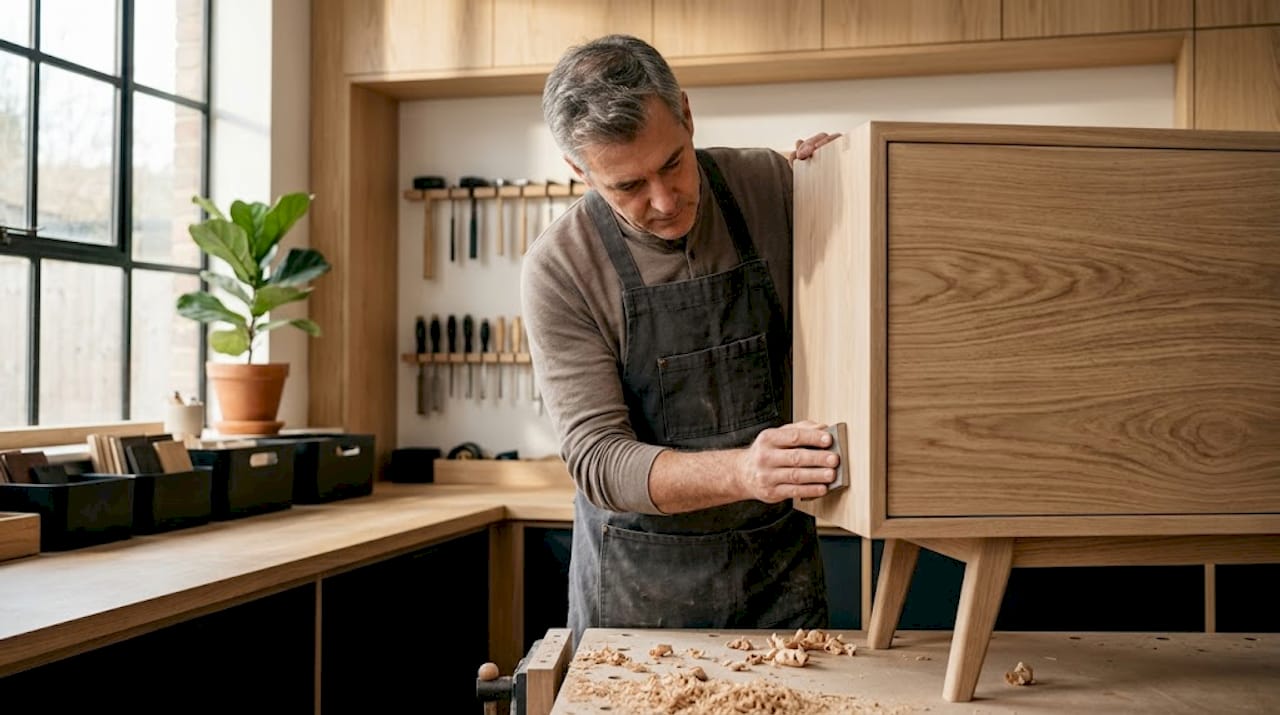
Collections built from salvaged wood, stone, and recycled materials like ZERØ and Melting represent a broader shift: the idea that imperfection equals authenticity. A visible wood knot, a slight variation in grain, or a hand-stitched seam are now features, not flaws.
Materials dominating right now include:
- Reclaimed and solid hardwoods. Walnut and smoked oak add warmth and a sense of permanence. Dark woods with visible grain create a collected, lived-in aesthetic that mass production cannot replicate.
- Natural textiles. Linen, cotton canvas, and hemp upholstery breathe well, age beautifully, and avoid the plasticky feel of synthetic blends.
- Bamboo and cork. Both renewable materials that now appear in furniture frames, flooring, and accent pieces with sophisticated, finished looks.
- Stone and terrazzo. Used in table surfaces and accents to introduce weight and mineral richness.
For homeowners who also care about their kitchens, there is a strong parallel here. Understanding how eco-friendly kitchen design approaches material selection can give you a consistent sustainable design philosophy throughout your home, not just in the living room.
Pro Tip: Ask your furniture maker or retailer specifically where the wood was sourced. “Solid wood” is not the same as “reclaimed” or “responsibly harvested.” The specifics matter when you are making a sustainability-driven purchase.
4. Modular and multifunctional furniture for how you actually live
The average American home has been shrinking in usable square footage while growing in complexity of use. A spare bedroom is now a home office. A dining room doubles as a craft space. Living rooms are simultaneously work zones, entertainment spaces, and places where kids do homework.
Modular furniture is the practical answer to this reality. Modular designs like the Flow Sofa combine seating, tables, and storage in configurations that adapt to your actual needs rather than forcing you to adapt to the furniture.
Here is how the most useful multifunctional pieces break down in practice:
| Furniture type | Primary use | Secondary use |
|---|---|---|
| Modular sectional sofa | Seating for multiple guests | Reconfigures as chaise or daybed |
| Storage ottoman | Footrest and accent piece | Hidden storage, overflow seating |
| Fold-down wall desk | Home office workspace | Folds flush to wall when not in use |
| Nesting side tables | End tables | Stack away when space is needed |
| Bed with drawer base | Sleeping | Bedroom storage without extra furniture |
Smart furniture integration is also part of this conversation. IKEA’s smart product line includes pieces with built-in environmental sensors and charging integration, reflecting the reality that technology is now woven into how people use furniture, not bolted on as an afterthought.
The key with modular furniture is buying pieces that belong to the same family or use a consistent material palette. Mixing too many modular systems from different manufacturers creates a dorm room feel rather than a designed interior.
5. Emotionally driven color palettes and layered textures
Cool gray and stark white dominated residential interiors for most of the last decade. That era is genuinely over. The latest furniture design styles in 2026 center on warmth, personality, and emotional presence in color and material.
Warm earth tones are now the new neutral. Terracotta, warm sand, olive, rust, and deep mocha have replaced the clinical cool that defined minimalist residential decor for so long. These tones work because they reference natural materials and create a sense of enclosure and comfort rather than openness and distance.
The more interesting development is in texture layering. Mixing bouclé, velvet, rattan, and hammered metal rewards rooms that feel alive rather than designed from a catalog. The formula that actually works in practice looks like this: start with a foundational smooth texture, like a linen sofa or a stone table surface. Layer in one soft texture, like a chunky knit throw or a velvet accent pillow. Then introduce one rough or structured element, like a rattan chair or a hammered brass lamp base.
You are creating contrast without chaos. The goal is a room that rewards a second look, where you notice more detail the longer you spend in it.
Bold geometric patterns also re-enter here, used in rugs, accent chairs, and throw pillows to give character to an otherwise calm room. The trick is treating pattern as punctuation, not wallpaper. One or two patterned pieces per room is usually the ceiling.
6. Japandi: the style quietly setting the standard
If you have not encountered Japandi yet, pay attention. It is one of the most significant frameworks shaping how people think about latest furniture design styles in residential spaces right now.
Japandi merges Japanese wabi-sabi and Scandinavian hygge into a single design philosophy that prioritizes low-profile furniture, visible craftsmanship, and deliberate simplicity. This is not minimalism in the cold, bare-wall sense. Japandi emphasizes warmth and presence over minimalism’s absence.
The furniture it calls for is honest. You see the joinery. You feel the grain. Nothing is hidden behind a glossy veneer. Pieces sit low to the ground, creating a calming horizontal line that makes rooms feel more spacious. Materials are natural and limited in variety per room.
What makes Japandi particularly worth noting for homeowners is that it works exceptionally well in small to medium spaces. It solves the problem of wanting a room to feel designed and intentional without feeling cluttered or performative. For anyone trying to reconcile current furniture trends with a more edited lifestyle, Japandi is the style that makes both possible simultaneously.
My take on chasing furniture trends
I have spent years watching homeowners and designers navigate the cycle of trends, and the pattern I keep seeing is the same. People buy into a trend fully, then feel trapped by it two years later. The pieces that hold up are never the ones that were most on trend. They are the ones that were most true to the person who chose them.
What I have learned is that the best residential furniture design trends give you a direction, not a prescription. Curves are having their moment, and that is real. But the reason curves work right now is because people are craving warmth and softness in their homes. That emotional need is the actual trend. The curved sofa is just one answer to it.
The shift toward furniture that reflects your personal story is stronger than ever, and designers consistently favor eclectic, culture-rich interiors over uniform trend adoption. When I work through design decisions, I always ask: does this piece feel like me, or does it feel like I am trying to feel like me? That question cuts through a lot of noise.
My honest advice is to use trends as a lens for seeing what is possible, then make choices based on craftsmanship, materials, and personal meaning. A well-made piece from Furnituredesigngroup’s custom work will still look right in your home when the next five trend cycles have come and gone.
— Donovan
Bring 2026 trends to life with custom furniture that actually fits your home
You have the trends. Now the question is how to bring them into your space in a way that is personal, not generic.
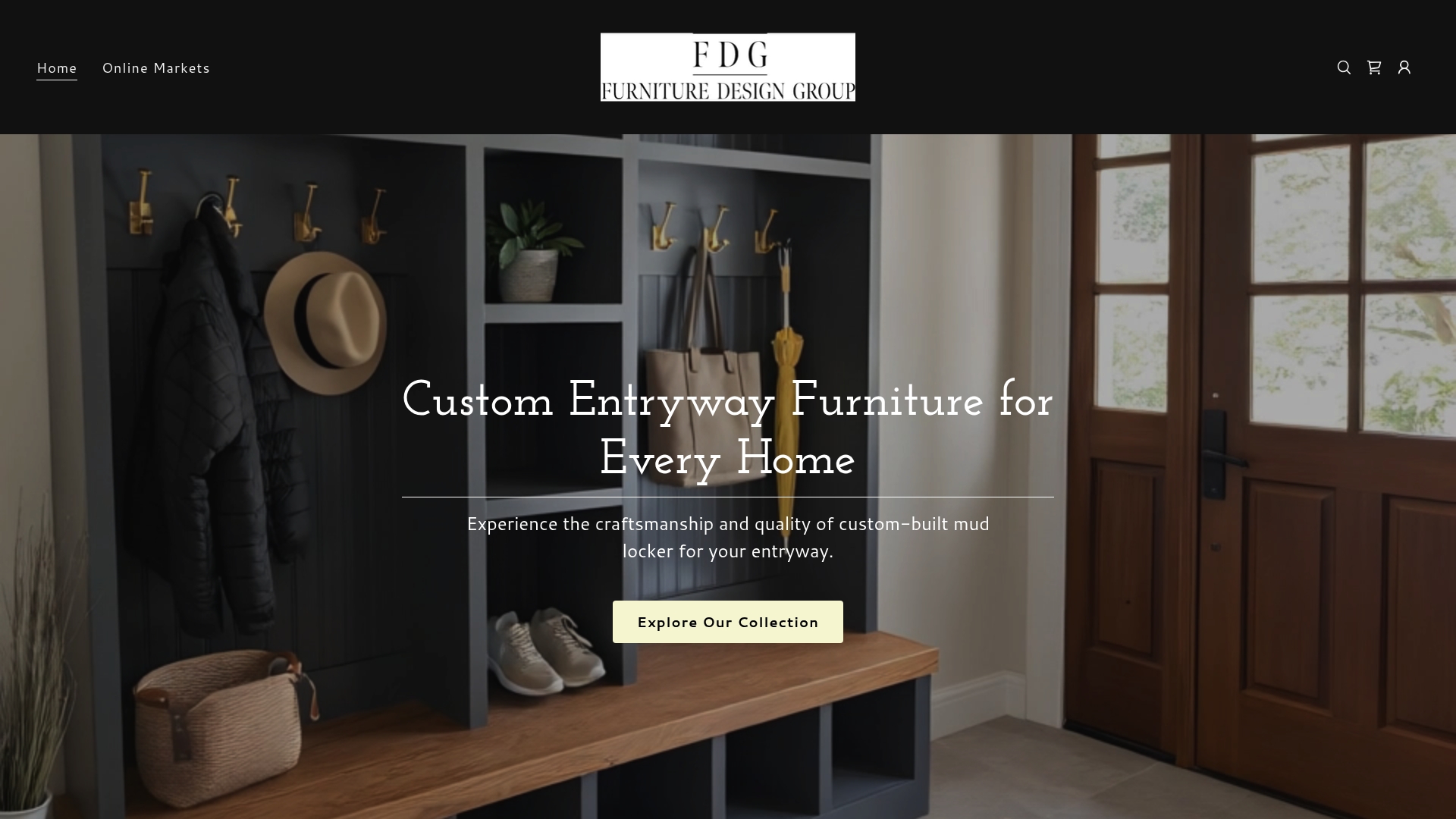
Furnituredesigngroup is a Maryland-based, family-owned studio with over 20 years of experience building bespoke furniture for residential interiors. Their work centers on exactly what 2026 demands: honest materials, visible craftsmanship, and pieces built to fit your specific space rather than a showroom floor. Whether you are drawn to the warmth of curved entryway lockers, the character of reclaimed wood, or the clean discipline of Japandi-influenced design, their team builds around your vision.
Explore their custom furniture services to see how bespoke design translates into pieces that hold up through changing trends, and browse the furniture gallery for inspiration drawn directly from current residential design priorities. Contact Furnituredesigngroup to start a conversation about your space.
FAQ
What are the top residential furniture trends in 2026?
The standout trends are curved organic shapes, sustainable natural materials, modular multifunctional furniture, and emotionally warm color palettes built around earth tones and layered textures. Japandi style is also gaining serious traction as a cohesive design philosophy.
How do I choose residential furniture that stays relevant?
Prioritize craftsmanship, honest materials, and pieces that serve your actual lifestyle. Furniture built with quality joinery and natural materials outlasts any single trend cycle.
What colors are popular in residential furniture design right now?
Warm earth tones including terracotta, camel, olive, and dusty blush are replacing the cool grays and stark whites that dominated the previous decade. These tones work well with natural wood and tactile fabrics.
Is sustainable furniture worth the higher price?
Yes, for most homeowners. Pieces made from reclaimed hardwoods or natural textiles tend to age better, carry more visual character, and hold structural integrity longer than synthetic or low-grade alternatives.
What is Japandi style in residential furniture?
Japandi blends Japanese wabi-sabi sensibility with Scandinavian design principles to create interiors that feel disciplined and warm simultaneously. It uses low-profile furniture, visible craftsmanship, and limited natural materials to create calm, livable spaces.