
TL;DR:
- Handmade furniture in 2026 has shifted from niche luxury to mainstream demand, driven by a desire for authenticity and sustainability. Consumers prioritize lasting, traceable, and uniquely crafted pieces that embody value beyond their price, with sales soaring 340% early in the year. Investing in bespoke furniture offers long-term durability, repairability, and environmental benefits, making it a wise choice over mass-produced alternatives.
The role of handmade furniture in 2026 has shifted from niche preference to genuine mainstream demand. Handcrafted furniture sales on curated marketplaces rose 340% between January and April 2026, with average order values jumping from $380 to $1,240 year over year. That is not a blip. It reflects a deep consumer rethinking of what furniture should be: lasting, traceable, and worth something beyond its price tag. This article covers what is driving that shift, what it means for your home, and how to make smart decisions when choosing artisan-crafted pieces.
Table of Contents
- Key Takeaways
- 2026 furniture trends redefining what “quality” means
- Sustainability: why handmade furniture changes the math
- The economics of investing in artisan furniture
- Practical tips for commissioning handmade pieces
- My honest take after years in this industry
- Work with craftsmen who know what they are building
- FAQ
Key Takeaways
| Point | Details |
|---|---|
| Demand is surging fast | Handmade furniture sales rose 340% in early 2026, signaling a permanent market shift toward craft. |
| Longevity beats low price | Bespoke solid hardwood furniture lasts 50 to 80 years, far outlasting fast furniture’s 3 to 5 year lifespan. |
| Traceability drives trust | Studios offering QR-linked supply chain documentation see conversion rates jump from 12% to 34%. |
| Cost amortizes over decades | Upfront premiums shrink significantly when spread across 25 to 50 years of use versus repeated replacement. |
| Authenticity is now expected | Buyers increasingly require maker’s marks, studio photos, and wood-source documentation before purchasing. |
2026 furniture trends redefining what “quality” means
The biggest shift visible across 2026 furniture trends is not a single aesthetic. It is a values realignment. Buyers are no longer satisfied with furniture that merely looks good in a showroom photo. They want pieces that carry a story, fit precisely, and age gracefully.
Sculptural and asymmetrical forms with natural finishes dominate interior design right now. Custom coffee tables that resemble low architectural plinths, dining tables with live-edge slabs, and entryway pieces built around the exact footprint of a space are all trending. These are not things a factory can produce at scale. They require a maker.
Here is what is specifically driving handcrafted furniture trends in 2026:
- Quiet luxury over maximalism. Understated, perfectly crafted pieces with natural materials communicate wealth and taste more effectively than ornate or branded alternatives.
- Limited-quantity appeal. Consumers crave furniture that reflects individuality, and handmade pieces satisfy this through limited editions, local materials, and unique forms.
- Craftsmanship as a design attribute. Visible joinery, hand-rubbed finishes, and deliberate grain selection are no longer hidden. They are the feature.
- Geographic expansion of craft culture. The handmade furniture market has expanded well beyond traditional design hubs like Scandinavia and Italy, with studios in Maryland, the American South, and the Pacific Northwest attracting serious buyers.
- Integration with art and interior design trends. When you pair handmade furniture with 2026 interior design art trends, the pieces anchor a room rather than fill it.
The throughline is authenticity. Mass production cannot fake the variation in grain, the weight of solid joinery, or the specific proportions a craftsman builds to your ceiling height and floor plan.
Sustainability: why handmade furniture changes the math
Sustainability is where the importance of handmade furniture becomes impossible to argue against. The numbers are simply better across every dimension.
Consider the baseline comparison:
| Factor | Fast furniture | Bespoke handmade furniture |
|---|---|---|
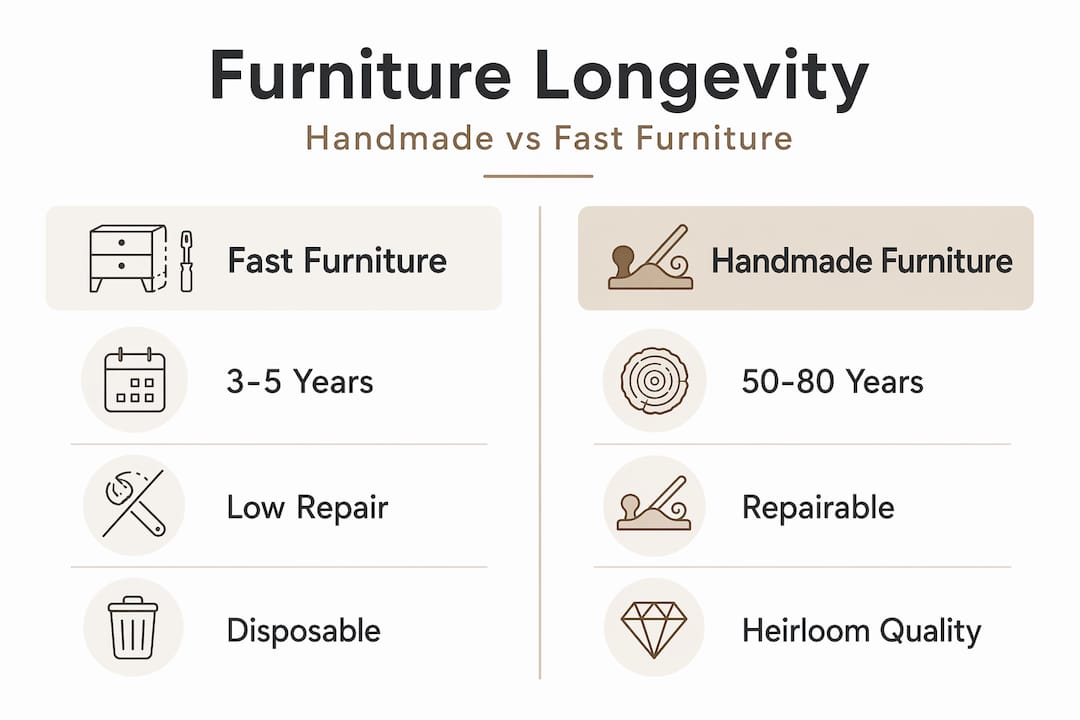
| Average lifespan | 3 to 5 years | 50 to 80+ years |
| Repairability | Rarely repairable | Designed for repair and refinishing |
| Production waste | High (overproduction model) | Near zero (made to order) |
| Material sourcing | Often unverified | FSC/PEFC certified options standard |
| End of life | Landfill | Refinish, resell, or pass on |
Well-crafted bespoke solid hardwood furniture routinely lasts 50 to 80 years or more. That compares to fast furniture, which averages just 3 to 5 years before replacement. The Ellen MacArthur Foundation reports that the global furniture industry generates 80% waste before a product even reaches the consumer. Bespoke production sidesteps that entirely by building only what was ordered.
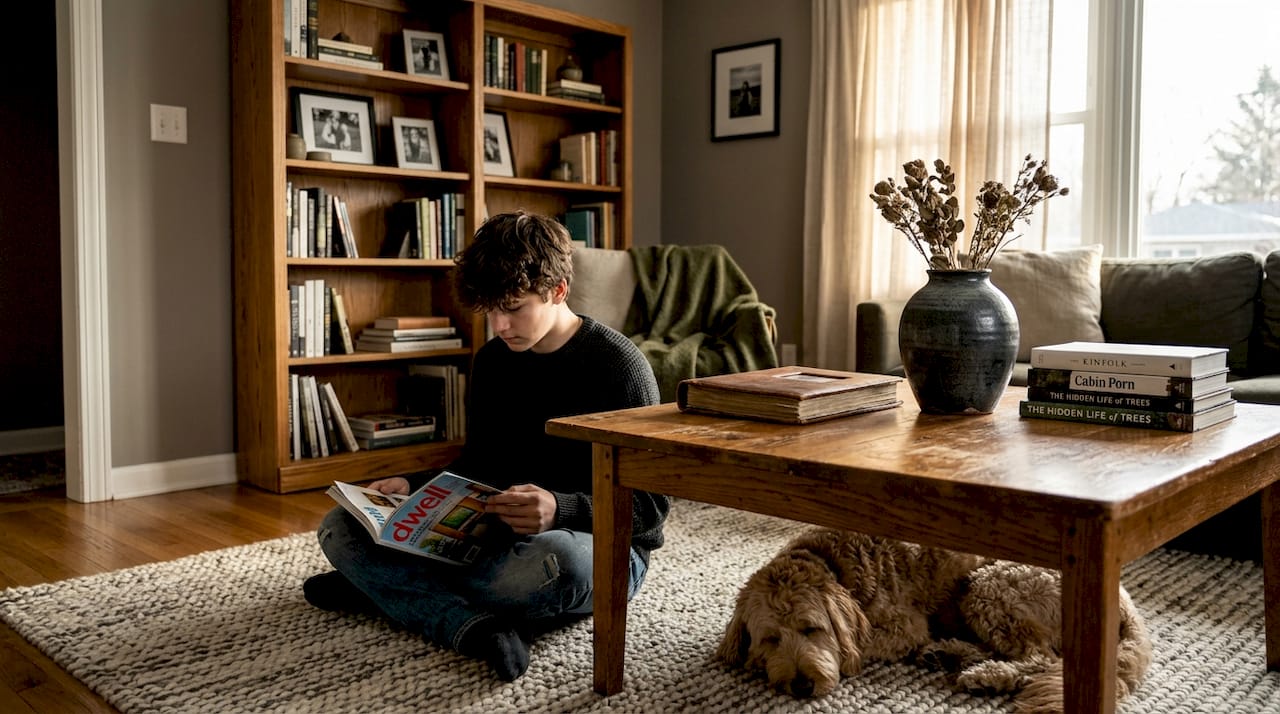
Makers who design for repairability use traditional joinery techniques and finishes that allow sanding and refinishing without structural damage. Mortise and tenon joints, for example, can be disassembled and re-glued decades later. That is not possible with particleboard and cam-lock hardware.
The sustainable furniture movement in 2026 also emphasizes upholstery quality. High-performance textile systems extend the usable life of handmade upholstered pieces by making reupholstery viable rather than cost-prohibitive.
Pro Tip: When evaluating a maker’s sustainability claims, ask specifically about their joinery methods and finish types. A craftsman who uses water-based finishes and traditional mortise-and-tenon construction is one whose work can be repaired and refinished. That detail tells you more than any “eco-friendly” label.
The economics of investing in artisan furniture
Price is usually where people hesitate. So let us be honest about the numbers.
Custom furniture commissions average 2 to 5 times the price of mass-produced equivalents. A custom hardwood coffee table starts around $4,500 to $7,000, while a mid-market comparable runs $400 to $900. That gap feels enormous at the register. Spread over a lifespan, it tells a different story.
Here is how the lifecycle math works in practice:
- Calculate the replacement cost of fast furniture. A $600 sofa replaced every five years costs $3,000 over 25 years. A $4,500 handmade sofa, reupholstered once at year 15 for $800, costs $5,300 over the same period. The gap narrows to $2,300.
- Factor in the environmental cost of disposal. Hauling, landfill fees, and the carbon footprint of manufacturing replacements add real costs that fast furniture’s sticker price hides.
- Account for resale and heirloom value. Handmade pieces from reputable makers hold and sometimes appreciate in value. Fast furniture has no resale market. An heirloom piece passed to a family member has infinite amortization.
- Consider fit. A piece built to your exact space dimensions and material preferences performs a function that off-the-shelf furniture literally cannot. A custom mud locker built to a specific entryway does the organizational work of three generic pieces.
- Look at financing the premium. Many custom furniture studios offer payment plans. Spread over 12 months, a $4,500 commission becomes $375 per month, comparable to buying a mid-range set outright.
The future of custom furniture is not about luxury for its own sake. It is about understanding that bespoke furniture costs more upfront but amortizes better over decades than any mid-market or fast alternative.
Beyond cost, bespoke pieces are increasingly treated as documented assets. Customer-facing traceability documentation transforms furniture from a transient purchase into a heritage object with a verifiable record of origin and construction.
Practical tips for commissioning handmade pieces
Knowing why handmade furniture matters and actually buying it well are two different skills. Here is what separates a smart commission from an expensive regret:
- Verify the maker’s authenticity before committing. Ask for studio photos, wood-source documentation, and examples of work at a similar scale to your project. Legitimate craftsmen welcome this. Studios implementing QR-code supply chain transparency report 40% faster sales because buyers trust what they can verify.
- Understand lead times. Quality handmade furniture takes time. Expect 8 to 16 weeks from deposit to delivery for most bespoke commissions. Plan your renovation or move-in timeline accordingly, not around a showroom’s stock.
- Choose materials for your actual life. Solid white oak is beautiful and durable. It also shows every water ring if you have young children and no placemats. Talk honestly with your maker about how the piece will be used daily, not how you imagine it being used.
- Plan for maintenance from day one. Ask your craftsman for a care sheet specific to the finish they applied. Oil-finished wood needs annual re-oiling. Lacquered surfaces need different treatment. Knowing this at purchase prevents expensive damage later.
- Request a repair commitment. Many reputable studios offer repair or refinishing services years after purchase. That relationship is part of what you are paying for.
Pro Tip: Before signing a commission agreement, ask the maker to show you a piece they completed five or more years ago. How it has aged, and whether it is still in active use, tells you everything about build quality that a portfolio photo cannot.
The process of creating custom furniture masterpieces is collaborative. The more clearly you communicate your space, your habits, and your aesthetic, the better the outcome.
My honest take after years in this industry
I have watched the custom furniture world shift in ways I did not fully anticipate even five years ago. What strikes me most is not the sales numbers or the design trends. It is the change in what buyers are asking.
People used to commission handmade furniture and ask, “Will it last?” Now they ask, “Can I prove where it came from?” That shift is significant. It means handmade furniture has moved from being a personal luxury to a values statement. The role of handmade furniture in 2026 is no longer just about aesthetics or durability. It is about accountability.
Here is what I have learned that most articles do not say: the best handmade furniture purchase I have ever seen clients make was not the most expensive one. It was the one where the buyer took the time to understand the maker’s process, asked real questions about joinery and finish, and chose a piece that fit their life rather than their fantasy. The craftsmanship held up because the relationship was honest from the start.
My advice is this. Do not buy handmade furniture to impress anyone. Buy it because you want to live with something real. Something that gets better as it ages, that can be fixed instead of thrown away, and that means something to whoever inherits it from you. That is not sentimentality. That is just good design thinking.
— Donovan
Work with craftsmen who know what they are building
If this article has you thinking seriously about commissioning a handmade piece, the next step is finding a maker whose values align with what you now know to look for.
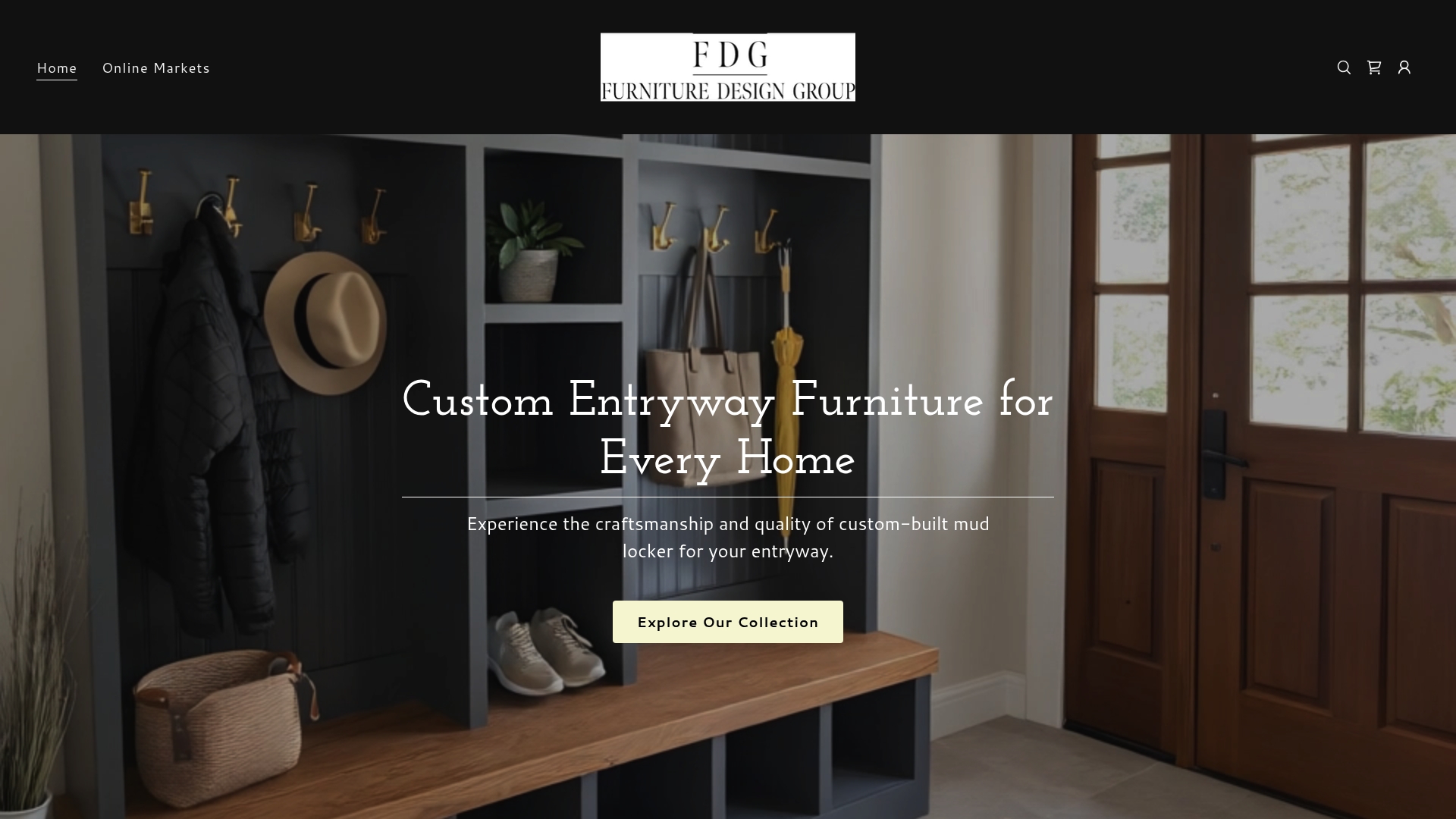
Furnituredesigngroup has spent over 20 years building bespoke entryway furniture for homeowners who want something that works precisely, lasts genuinely, and looks like nothing else on the market. Their specialty is custom mud lockers and entryway systems built to the exact dimensions and material specifications of your home. You can explore their approach and see finished work at their custom furniture services page, or browse their finished pieces gallery to see what purpose-built craftsmanship actually looks like. When you are ready to talk, reach out directly. The conversation costs nothing, and good furniture starts with a good brief.
FAQ
What is driving handmade furniture demand in 2026?
A combination of authenticity hunger, sustainability awareness, and design preference for unique pieces is behind the surge. Handcrafted furniture sales on curated platforms rose 340% in early 2026, with average order values more than tripling year over year.
How long does handmade furniture actually last?
Well-crafted bespoke solid hardwood furniture routinely lasts 50 to 80 years or more, compared to fast furniture’s average lifespan of 3 to 5 years. Repairability through refinishing and re-joinery extends that lifespan further.
Is handmade furniture worth the higher price?
Yes, when viewed across a full ownership period. Bespoke furniture costs more upfront but amortizes better over decades than repeated mass-market replacements, and it holds resale and heirloom value that fast furniture does not.
How do I verify a furniture maker’s authenticity?
Ask for maker’s marks, wood-source documentation, and studio production photos. Studios using QR codes linked to material origin and carbon footprint data are now common and indicate serious traceability standards.
What should I know before commissioning a custom piece?
Expect lead times of 8 to 16 weeks, communicate your actual daily use patterns rather than ideal use, and ask about care requirements specific to the finish type. Request to see older completed work to assess how the maker’s pieces age in real homes.