
Finding the right entryway furniture for your Maryland home often feels like an impossible puzzle. Ready-made pieces rarely fit your exact space, and they certainly don’t reflect your personal style or solve your specific storage challenges. Custom furniture offers a solution that transforms your entryway from a cluttered catch-all into an organized, beautiful space that works precisely the way you need it to.
Table of Contents
- What Is Custom Furniture? Definition And Core Characteristics
- Craftsmanship And Materials Behind Custom Furniture
- Benefits Of Custom Entryway Furniture For Maryland Homeowners
- Common Misconceptions About Custom Furniture
- Customization Process And Practical Considerations
- Cost Considerations And Value Comparison: Custom Vs. Ready-Made Furniture
- Local Craftsmanship And Sustainability In Maryland
- Conclusion: Making An Informed Decision About Custom Entryway Furniture
- Explore Custom Entryway Furniture With Furniture Design Group
- Frequently Asked Questions About Custom Entryway Furniture
Key Takeaways
| Point | Details |
|---|---|
| Custom furniture definition | Bespoke pieces tailored to your exact specifications, including dimensions, materials, and finishes, unlike mass-produced alternatives. |
| Maryland entryway advantages | Tailored designs increase storage capacity by up to 30% while perfectly fitting your unique space and style preferences. |
| Investment perspective | Custom pieces cost 20-50% more upfront but typically last twice as long as ready-made furniture, offering better long-term value. |
| Timeline expectations | Most custom entryway furniture projects complete within 6-12 weeks from initial consultation to delivery. |
| Local sustainability | Maryland artisans use locally sourced hardwoods, reducing environmental impact while supporting the regional economy. |
What Is Custom Furniture? Definition and Core Characteristics
Custom furniture represents a fundamental shift from choosing what’s available to creating what you actually need. Custom furniture is defined by its bespoke design process that tailors every piece to individual client specifications, including size, style, and materials, distinguishing it from mass-produced furniture. This personalized approach ensures your entryway furniture serves your exact requirements rather than forcing you to adapt to generic solutions.
The core characteristics that distinguish custom furniture include complete control over dimensions, allowing pieces to fit perfectly in awkward spaces or under low ceilings. Material selection becomes your choice, from the wood species to the hardware finish. Functional features get designed around your lifestyle, whether that means extra hooks for a family of five or a dedicated shoe storage system.
For Maryland homeowners, these distinctions matter significantly. Your colonial-era home might have an entryway that’s narrower than modern standards, or your newer construction might lack adequate storage altogether. Custom entryway furniture solutions address these challenges by working with your space rather than against it.
The benefits extend beyond mere fit. You choose designs that complement your existing décor, creating visual harmony throughout your home. Functionality gets optimized for your specific needs, whether that’s managing muddy sports equipment or organizing business attire. Quality materials and construction techniques ensure your investment lasts decades, not just years.
Craftsmanship and Materials Behind Custom Furniture
The difference between custom and mass-produced furniture becomes most apparent in the construction methods. Artisanal techniques like mortise and tenon joinery create stronger connections than the staples and glue used in factory furniture. Hand-applied finishes penetrate wood more deeply, providing better protection and a richer appearance. Custom furniture durability and appeal come from artisanal techniques and locally sourced hardwoods that ensure longevity and style.
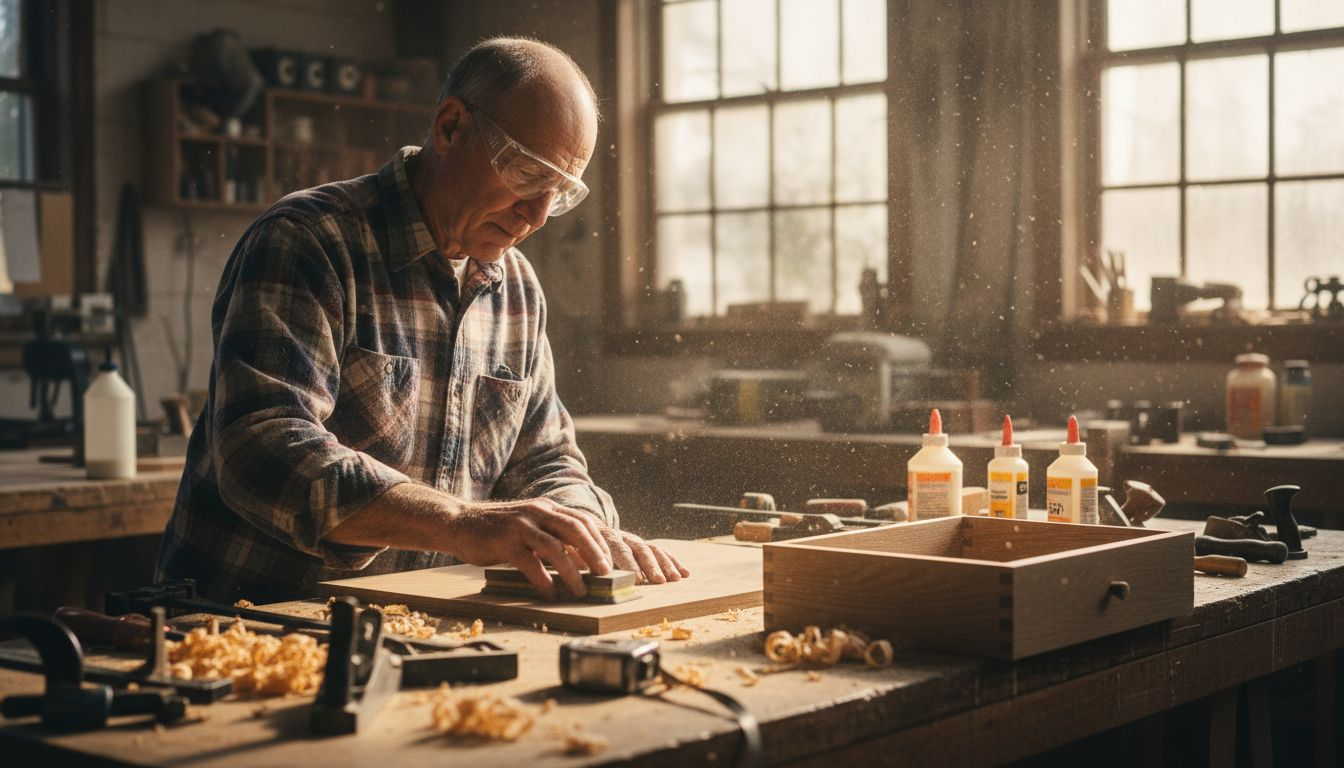
Maryland’s abundance of quality hardwoods makes local craftsmanship in Maryland particularly valuable. Oak, cherry, and walnut from regional forests offer superior strength and beautiful grain patterns. These materials withstand the humidity changes typical of Mid-Atlantic climates better than cheaper alternatives or particle board.
The craftsmanship process involves several critical stages:
- Precision measuring and cutting to ensure perfect fits and smooth operation of drawers and doors
- Traditional joinery methods that create joints stronger than the wood itself
- Multiple rounds of sanding progressing from coarse to fine grits for silky-smooth surfaces
- Hand-applied stains and sealants that enhance natural wood beauty while providing protection
- Final assembly with attention to detail that ensures decades of reliable use
Quality materials contribute directly to furniture longevity. Solid hardwood resists warping and damage far better than veneer or composite materials. Premium hardware operates smoothly for years without loosening or breaking. These factors mean your custom entryway piece continues looking and functioning beautifully long after mass-produced alternatives have worn out or broken.
The visual appeal of quality craftsmanship also deserves recognition. Natural wood grain tells a unique story in each piece. Hand-rubbed finishes create depth that spray-applied coatings cannot match. These aesthetic qualities elevate your entryway from purely functional to genuinely beautiful.
Benefits of Custom Entryway Furniture for Maryland Homeowners
Maryland homes present unique challenges that custom furniture addresses brilliantly. Older properties often feature awkward entryway dimensions that reject standard furniture sizes. Newer homes might offer generous space but lack the built-in storage that older designs included. Custom entryway furniture can increase storage capacity by up to 30% through tailored dimensions and features, improving organization and usability.
Storage optimization represents one of the most tangible benefits. Custom designs incorporate exactly the number of hooks your family needs, positioned at heights that work for both adults and children. Bench seating gets sized to your available space while including hidden storage underneath. Cubbies match the width of your family’s shoe collection rather than forcing awkward arrangements.
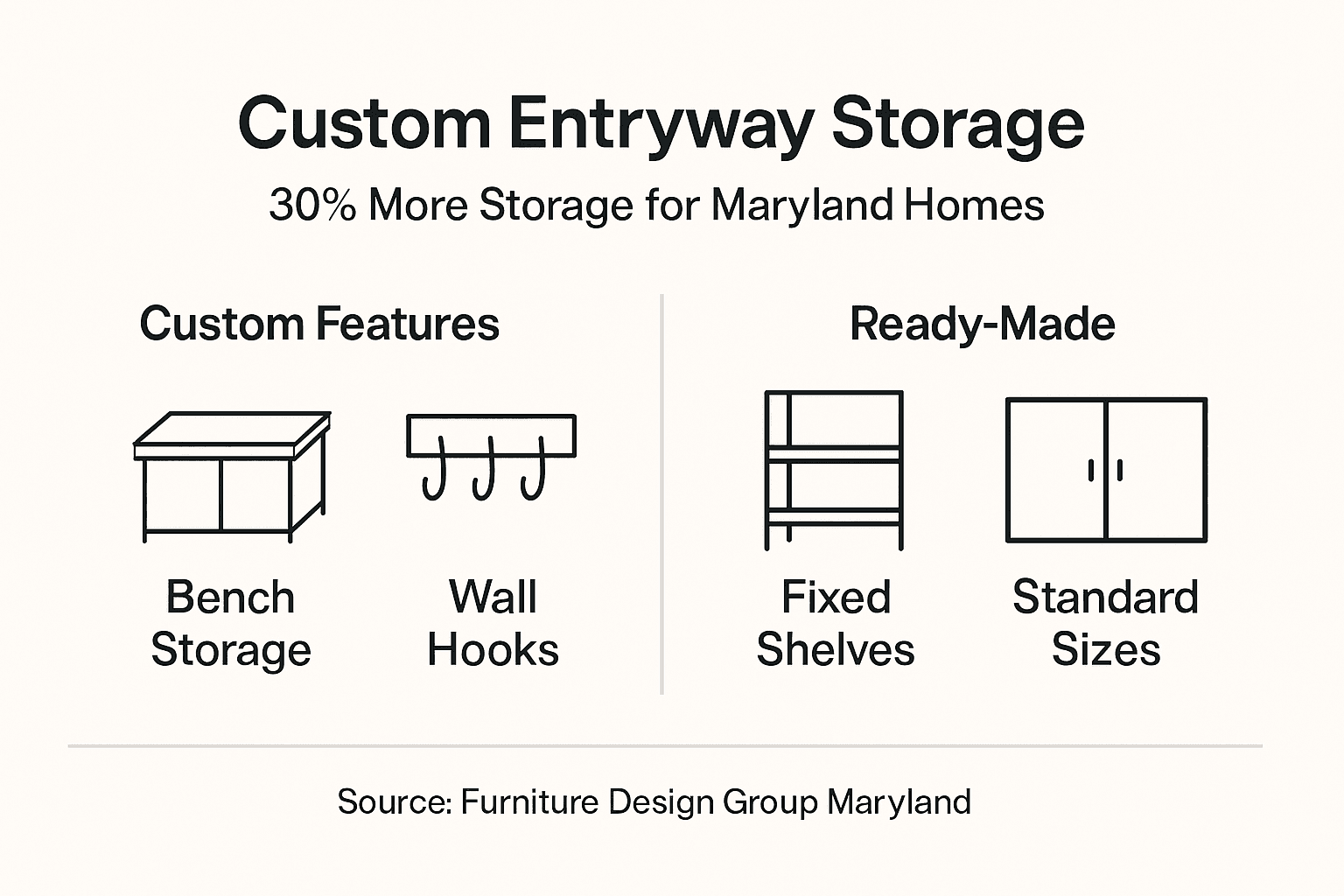
Personalization extends to aesthetic choices that reflect your individual style. You might prefer a rustic farmhouse look with distressed finishes and wrought iron hardware. Perhaps clean-lined contemporary designs with sleek pulls better suit your taste. Custom furniture accommodates any design preference while maintaining the functionality you require.
Maryland’s architectural diversity benefits from custom approaches:
- Colonial homes gain period-appropriate designs that honor historical character while adding modern convenience
- Craftsman-style properties receive furniture with matching attention to detail and quality materials
- Contemporary builds get streamlined designs that complement minimalist aesthetics
- Transitional homes enjoy flexibility to bridge traditional and modern elements
Pro Tip: Measure your entryway’s traffic flow before finalizing designs. Leave at least 36 inches of clear walkway space to prevent bottlenecks during busy morning routines or when hosting guests.
Functional benefits also include durability suited to real-world use. Families with active children or pets need furniture that withstands daily wear. Custom pieces built from quality hardwoods and robust joinery handle this stress far better than particle board alternatives. The investment protects itself through years of reliable service.
Common Misconceptions About Custom Furniture
Several myths prevent homeowners from exploring custom furniture options, despite the significant benefits these pieces offer. Understanding the reality behind these misconceptions helps you make informed decisions about your entryway needs.
The most persistent myth claims custom furniture costs prohibitively more than ready-made options. Reality presents a more nuanced picture. Though custom furniture costs 20-50% more upfront, its lifespan is typically twice as long as ready-made, offering better cost-effectiveness over time. When you calculate cost per year of use, custom furniture often proves more economical.
Another common belief suggests custom furniture serves only aesthetic purposes, prioritizing looks over function. This completely misses the point of customization. Most homeowners choose custom pieces specifically because ready-made furniture fails to meet their functional requirements. Storage optimization, space efficiency, and tailored features drive custom furniture decisions as much as or more than appearance.
Concerns about excessive lead times also discourage some buyers. While custom pieces do require more time than buying off the shelf, typical timelines of 6-12 weeks remain quite reasonable. Complex designs or specialty materials might extend this period, but most standard entryway projects complete within two to three months. Planning ahead makes this timeline manageable for most homeowners.
Additional misconceptions worth addressing:
- Custom furniture requires extensive design knowledge (craftsmen guide you through every decision)
- Only large spaces benefit from custom pieces (small or awkward spaces often benefit most)
- Custom means you cannot see examples first (reputable makers maintain portfolios and showrooms)
- Repairs and maintenance become difficult (quality construction actually reduces maintenance needs)
Pro Tip: Request detailed timeline estimates during initial consultations. Understanding each phase helps you plan around the furniture delivery and prevents unrealistic expectations that might cause frustration.
The misconception that custom furniture locks you into irreversible decisions also lacks foundation. Skilled craftsmen work collaboratively, presenting design options and seeking your approval before proceeding. Most welcome refinements during the design phase, ensuring the final piece matches your vision completely.
Customization Process and Practical Considerations
Understanding the custom furniture design process demystifies the experience and sets appropriate expectations. Each phase builds on the previous one, transforming your initial concept into a finished piece that serves your needs perfectly.
The typical process unfolds in these steps:
- Initial consultation where you discuss needs, preferences, space constraints, and budget parameters with the craftsman
- Measurement and site assessment to capture exact dimensions and identify any structural considerations
- Design development presenting sketches or renderings showing how the finished piece will look and function
- Material selection where you choose wood species, stains, finishes, and hardware that match your aesthetic
- Design approval finalizing all details before production begins, your last chance for changes without additional costs
- Production phase where skilled artisans craft your furniture using traditional techniques and quality materials
- Quality inspection ensuring every detail meets standards before delivery
- Delivery and installation positioning the piece and making any final adjustments needed
Lead times vary based on several factors. Simple designs with standard materials might complete in six weeks. Complex pieces requiring specialty wood or intricate details could extend to twelve weeks or longer. Current workload also affects timing, as busy seasons may add waiting time before production starts.
Cost considerations include both materials and labor. Exotic woods cost more than common species. Intricate carvings or inlays require additional time and skill. Larger pieces naturally require more materials and work hours. Discussing budget honestly during initial consultations helps craftsmen propose designs that meet both your functional needs and financial parameters.
Pro Tip: Request material samples during the selection phase. Seeing and touching actual wood species with different stain options prevents surprises and ensures you love the final appearance.
Balancing style, function, and timeline requires clear communication. Explain your must-have features versus nice-to-have elements. This prioritization helps if budget or timeline constraints require compromises. Most craftsmen excel at finding creative solutions that preserve your core requirements while working within practical limitations.
Cost Considerations and Value Comparison: Custom vs. Ready-Made Furniture
Evaluating the true cost of furniture requires looking beyond initial price tags to consider longevity, functionality, and satisfaction over time. A comprehensive comparison reveals why many homeowners find custom pieces deliver better overall value despite higher upfront investments.
| Factor | Custom Furniture | Ready-Made Furniture |
|---|---|---|
| Design Flexibility | Complete control over dimensions, style, materials, and features | Limited to available inventory and standard sizes |
| Material Quality | Solid hardwoods, premium hardware, hand-applied finishes | Often particle board, veneer, or lower-grade materials |
| Initial Cost | 20-50% higher upfront investment | Lower purchase price |
| Typical Lifespan | 20-30+ years with minimal maintenance | 5-10 years before replacement needed |
| Lead Time | 6-12 weeks from order to delivery | Immediate to 2 weeks for in-stock items |
| Functionality | Tailored exactly to your specific needs and space | Generic design may not fit space or needs perfectly |
| Resale Value | Retains value due to quality construction | Depreciates rapidly, minimal resale market |
Custom furniture can cost 20-50% more upfront but often lasts twice as long as ready-made furniture, making it more cost-effective over time. Consider a custom entryway bench costing $1,200 that serves reliably for 25 years versus a $600 ready-made alternative requiring replacement every 8 years. Over that 25-year period, you would purchase the cheaper option three times, spending $1,800 total while dealing with the hassle of multiple replacements.
Durability translates to long-term savings in multiple ways. Quality construction withstands daily use without repairs. Solid wood tolerates refinishing if you want to update appearance later, essentially giving you new-looking furniture without replacement costs. Premium hardware continues operating smoothly for decades rather than loosening or breaking after a few years.
The intangible value of tailored functionality also deserves consideration. Furniture that perfectly fits your space and meets your specific needs provides daily satisfaction that generic pieces cannot match. This improved quality of life has real value, even if it resists precise calculation.
Environmental considerations also factor into value assessments. A piece lasting 25 years avoids the waste and resource consumption of manufacturing and disposing of multiple replacements. This sustainability appeals to environmentally conscious homeowners while providing practical benefits.
Local Craftsmanship and Sustainability in Maryland
Choosing Maryland local artisans for your custom entryway furniture provides benefits that extend beyond the piece itself. Local craftsmanship supports regional economies, reduces environmental impact, and often delivers superior quality through personal accountability.
Maryland’s hardwood forests provide excellent materials for furniture construction. Oak offers exceptional strength and attractive grain patterns. Cherry develops a rich patina over time that enhances its beauty. Walnut provides durability with sophisticated dark tones. These locally available species eliminate the need for exotic woods shipped from distant locations.
Environmental advantages of local sourcing include:
- Reduced carbon footprint from shorter transportation distances between forest, mill, workshop, and your home
- Support for sustainable forestry practices that maintain Maryland’s woodland health
- Elimination of international shipping’s environmental costs and complications
- Decreased packaging waste compared to factory furniture shipped long distances
Cultural connections matter to many homeowners. Working with local artisans often means meeting the person who will craft your furniture. This personal relationship creates accountability and pride in workmanship that anonymous factory production cannot replicate. You can visit workshops, see work in progress, and develop confidence in the craftsman’s skill and dedication.
Supporting the local economy keeps money circulating within Maryland communities. Local craftsmen employ regional workers, purchase from area suppliers, and contribute to the tax base that funds schools and services. This economic benefit extends far beyond your individual purchase.
Quality assurance improves when craftsmen work locally. Their reputation depends on satisfied customers within a relatively small geographic area. Word of mouth travels quickly in local markets, incentivizing excellent work and customer service. This accountability often produces better outcomes than dealing with distant manufacturers focused primarily on volume production.
Local artisans also bring knowledge of regional conditions. They understand Maryland’s humidity fluctuations and can select woods and finishes that perform well in Mid-Atlantic climates. This expertise prevents problems that might occur with furniture designed for different environmental conditions.
Conclusion: Making an Informed Decision About Custom Entryway Furniture
Custom furniture offers Maryland homeowners a solution that ready-made pieces simply cannot match. The ability to specify exact dimensions, choose quality materials, and design for your specific functional needs creates entryway furniture that serves you perfectly rather than forcing compromises. Understanding the customization process, realistic timelines, and true cost comparisons empowers you to make confident decisions.
The investment in custom pieces pays dividends through decades of reliable service and daily satisfaction. Quality craftsmanship and materials ensure your furniture withstands the demands of real-world use while maintaining its beauty. The premium you pay upfront often proves more economical than repeatedly replacing cheaper alternatives that fail prematurely.
Engaging with local Maryland artisans adds layers of value through sustainability, economic support, and personal accountability. These craftsmen bring expertise, dedication, and pride to every project. They understand your needs because they live in the same communities and face similar challenges in their own homes.
Exploring custom entryway solutions represents an investment in both your home and your daily quality of life. The entryway sets the tone for your entire house while serving critical functional roles. Custom furniture ensures this important space works beautifully and efficiently for years to come.
Explore Custom Entryway Furniture with Furniture Design Group
Furniture Design Group brings over 20 years of experience crafting custom entryway furniture options for Maryland homeowners. Our family-owned company specializes in bespoke pieces that combine exceptional craftsmanship with personalized design, creating furniture that perfectly fits your space and lifestyle.
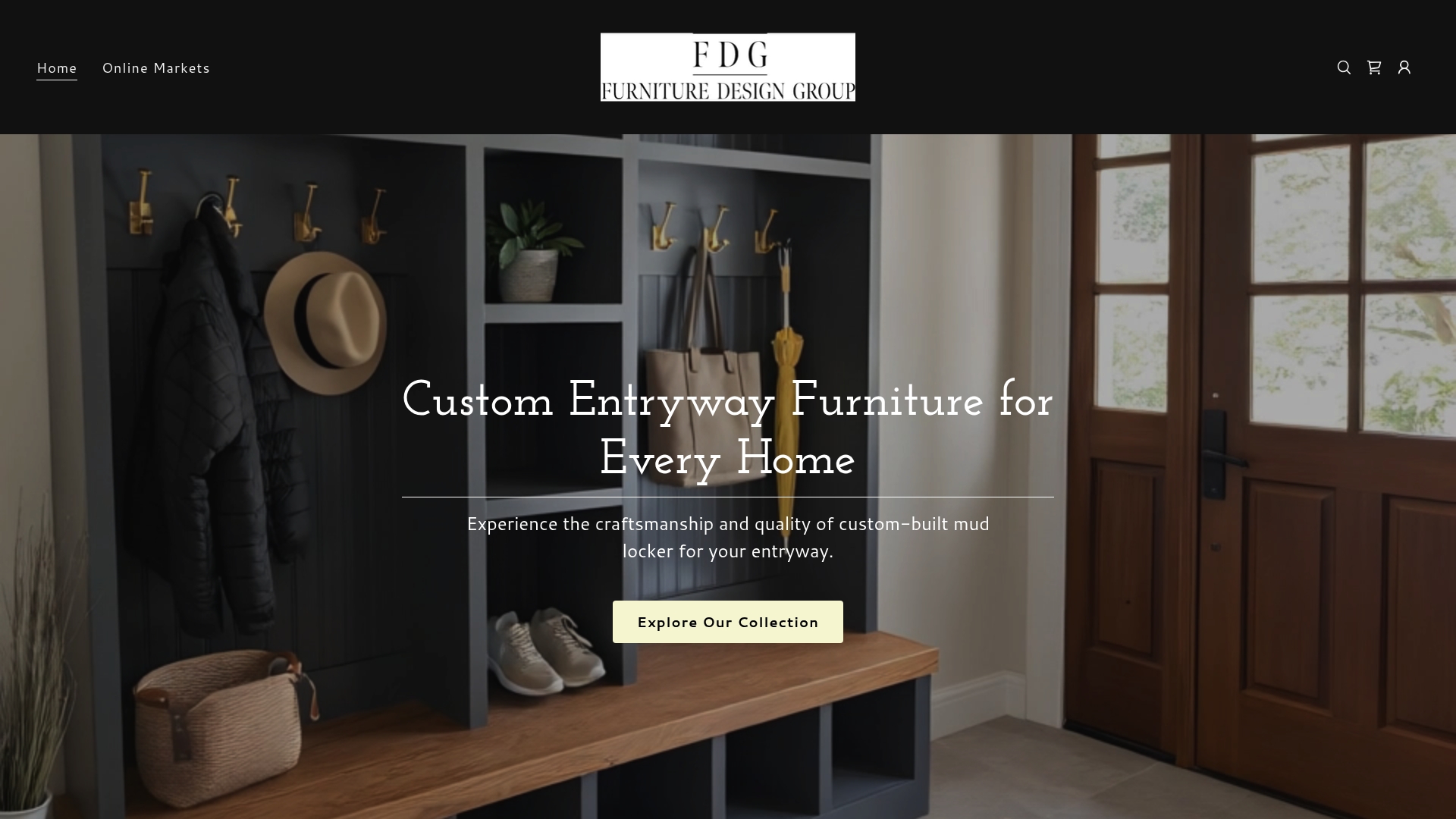
We guide you through every step of the customization process, from initial consultation through final installation. Our showroom welcomes you to explore examples of our work and discuss your vision with experienced craftsmen. Whether you need a compact solution for a narrow colonial entryway or an expansive mud locker system for a busy family, we create furniture that serves your specific needs beautifully. Visit our website to browse our portfolio, or access your account to begin your custom furniture journey today.
Frequently Asked Questions About Custom Entryway Furniture
What makes custom entryway furniture different from ready-made?
Custom furniture gets designed and built specifically for your space, needs, and preferences, with complete control over dimensions, materials, and features. Ready-made pieces offer only what manufacturers produced for general markets, forcing you to adapt to their limitations rather than getting furniture that adapts to you.
How long does it typically take to get custom furniture made?
Most custom entryway furniture projects complete within 6-12 weeks from initial consultation to delivery. Simple designs might finish faster, while complex pieces with specialty materials could take longer. Planning ahead ensures the furniture arrives when you need it.
Is custom furniture always more expensive than mass-produced?
Custom pieces cost 20-50% more upfront but typically last twice as long as ready-made alternatives, making them more cost-effective over time. When you calculate cost per year of use and factor in the perfect fit and functionality, custom furniture often delivers better overall value.
Can I personalize both style and functionality in custom furniture?
Absolutely. Customization encompasses every aspect, from wood species and finish colors to the number of hooks, shelf heights, and storage compartments. You control both how the furniture looks and how it functions, ensuring it meets all your requirements.
Why should I choose local Maryland artisans for custom pieces?
Local craftsmen use regionally sourced materials that suit Maryland climates, support the local economy, and provide personal accountability for quality. You can visit workshops, meet the people building your furniture, and benefit from their understanding of regional architectural styles and environmental conditions.
What happens if I need changes after seeing initial designs?
Reputable craftsmen welcome refinements during the design phase before production begins. Most build approval checkpoints into the process specifically to ensure you love every detail. Changes become more difficult and expensive once construction starts, so communicate clearly during design development.