
Choosing entryway furniture that fits perfectly and functions seamlessly in your home is a challenge most homeowners face. Mass-produced options rarely account for unique space dimensions, storage needs, or personal style preferences. Consulting a furniture designer solves this problem by delivering personalized, durable, and functional solutions tailored to your exact requirements. This article explores why working with a custom furniture expert transforms your entryway into an organized, beautiful space that enhances daily life and adds long-term value to your home.
Table of Contents
- Why Consult A Furniture Designer?
- Customization For Functional Entryway Solutions
- Craftsmanship And Quality Benefits
- Local Expertise And Family-Owned Business Value
- Common Misconceptions About Custom Furniture
- The Furniture Design Consultation Process
- Practical Benefits And Value Addition
- Discover Your Custom Entryway Solution With Furniture Design Group
- Frequently Asked Questions
Key Takeaways
| Point | Details |
|---|---|
| Custom furniture delivers superior fit | 70% of homeowners report higher satisfaction with custom furniture compared to mass-produced options. |
| Artisanal craftsmanship ensures durability | Handcrafted pieces using quality materials last 30-50% longer than factory alternatives. |
| Local family businesses offer personalized service | Maryland-based companies provide faster turnaround and stronger client relationships. |
| Consultation phases ensure client involvement | Needs assessment, material selection, design review, and artisanal construction guarantee satisfaction. |
| Custom entryway furniture boosts home value | Tailored pieces increase resale appeal by 4-6% and improve daily organization. |
Why Consult a Furniture Designer?
Working with a furniture designer for your entryway delivers advantages that mass-produced furniture simply cannot match. The primary benefit is personalization. Every home has unique dimensions, architectural quirks, and storage requirements. A designer measures your space precisely, accounts for awkward angles or limited square footage, and creates a piece that fits perfectly. This eliminates the frustration of buying standard furniture that leaves gaps, blocks walkways, or fails to accommodate your belongings.
Custom furniture also addresses lifestyle needs that generic options ignore. Do you need hooks at specific heights for children and adults? Extra storage for sports equipment or pet supplies? A designer integrates these features seamlessly. Mass-produced furniture forces you to compromise on functionality because manufacturers design for average households, not your specific situation.
Durability is another critical advantage. Factory furniture often uses particleboard, weak joinery, and thin veneers that deteriorate quickly. Custom pieces built by skilled craftsmen use solid hardwoods, mortise-and-tenon joints, and quality finishes that withstand decades of daily use. You invest more upfront but save money over time by avoiding replacements.
Consider these benefits when choosing custom design:
- Exact measurements maximize every inch of available space
- Tailored storage components match your specific belongings and routines
- Ergonomic features reduce clutter and streamline daily entry and exit
- Style choices align perfectly with your home’s existing décor
Pro Tip: Before your first consultation, photograph your entryway from multiple angles and list everything you need to store. This preparation helps designers create solutions that truly work for your life.
Engaging a furniture designer improves ergonomic functionality and space utilization by up to 25% in entryway areas. This translates to smoother morning routines, less visual chaos, and a welcoming first impression for guests. When you work with Furniture Design Group, you gain access to designers who understand Maryland homes and prioritize your unique needs from the first conversation.
Customization for Functional Entryway Solutions
Functional design starts with understanding your space and habits. A furniture designer begins every project by measuring your entryway’s exact dimensions, noting ceiling heights, door swings, electrical outlets, and architectural features like baseboards or crown molding. These details determine what designs are feasible and how to maximize storage without creating bottlenecks.
Next comes lifestyle analysis. The designer asks detailed questions about who uses the space, what items need storage, and how traffic flows through your home. A family with young athletes needs different solutions than empty nesters who entertain frequently. This conversation ensures the final piece addresses real problems rather than creating pretty but impractical furniture.
The customization process typically follows these steps:
- Measure the entryway space and document architectural constraints
- Interview the household to identify storage needs and daily routines
- Sketch preliminary designs that balance function with aesthetic preferences
- Refine the design based on client feedback and practical considerations
- Select materials, finishes, and hardware that match quality and style goals
- Build the piece using artisanal techniques and quality control checks
Ergonomic features make custom furniture genuinely user-friendly. Hooks placed at comfortable reaching heights for different family members. Bench seating at the optimal height for putting on shoes. Cubbies sized for actual backpacks and bags, not theoretical average dimensions. These details eliminate daily frustrations that accumulate with poorly designed furniture.
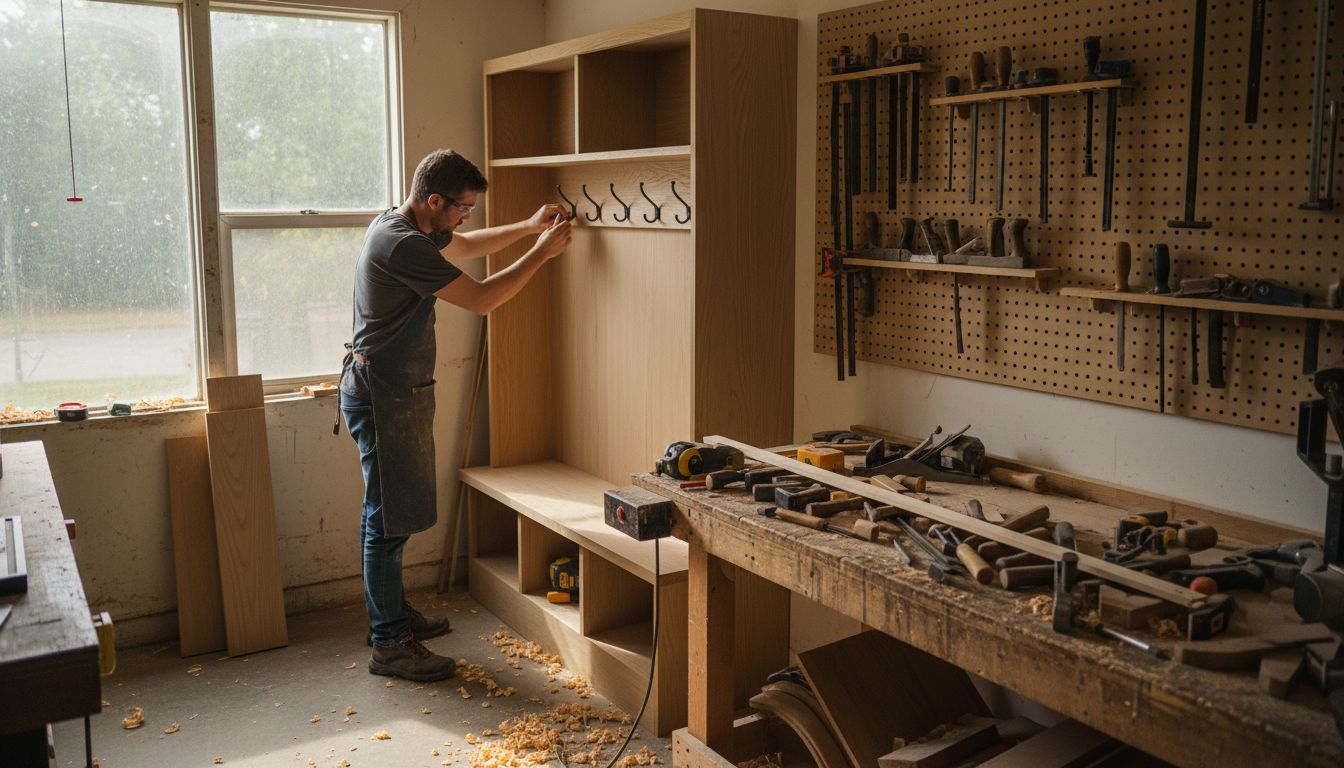
Style customization ensures your entryway furniture complements your home’s character. Traditional colonial architecture calls for different design elements than modern minimalist spaces. A skilled designer balances timeless craftsmanship with contemporary functionality, creating pieces that feel both fresh and enduring.
Pro Tip: Request 3D renderings or scale drawings during the design phase. Visual representations help you understand proportions and make confident decisions before construction begins.
Working with custom entryway furniture design services means every element serves a purpose. Nothing is decorative filler. The result is furniture that makes your life easier while looking beautiful in your home.
Craftsmanship and Quality Benefits
Artisanal craftsmanship separates custom furniture from factory products in ways that become obvious over time. Skilled craftsmen use traditional joinery techniques like dovetails, mortise-and-tenon joints, and hand-cut dados that create structural integrity lasting decades. These methods distribute stress evenly across the piece, preventing the wobbling and loosening common in mass-produced furniture held together with staples and glue.
Material selection dramatically impacts longevity. Custom builders source solid hardwoods like oak, maple, and cherry that grow stronger and more beautiful with age. Factory furniture typically uses particleboard or MDF with thin veneers that chip, peel, and swell when exposed to moisture. The quality difference becomes painfully clear after a few years of use.
| Feature | Custom Furniture | Mass-Produced Furniture |
|---|---|---|
| Primary Material | Solid hardwood | Particleboard, MDF |
| Joinery Method | Mortise-and-tenon, dovetails | Staples, dowels, cam locks |
| Finish Quality | Hand-applied, multiple coats | Spray-applied, single coat |
| Expected Lifespan | 30-50+ years | 5-10 years |
| Repairability | Easily refinished and repaired | Difficult to repair effectively |
The finish quality on custom pieces protects wood while enhancing its natural beauty. Craftsmen apply multiple coats of high-quality stains and sealers, sanding between each layer. This process creates depth and richness impossible to achieve with factory spray finishes. More importantly, quality finishes resist scratches, water damage, and UV fading.
Investing in superior craftsmanship reduces long-term costs. A custom entryway piece costing $3,000 that lasts 40 years costs $75 annually. A $600 mass-produced unit replaced every 7 years costs $86 annually, not accounting for disposal hassles and shopping time. The math favors quality.
Pro Tip: Ask your designer about wood movement and how they account for seasonal humidity changes. Quality builders design joints and panels that accommodate expansion and contraction without warping or cracking.
When you choose expert craftsmanship in custom furniture, you invest in pieces that become family heirlooms rather than disposable commodities. The attention to detail and material quality creates furniture that improves your home’s character while serving practical needs year after year.
Local Expertise and Family-Owned Business Value
Working with a local Maryland family-owned business offers advantages that national retailers and online sellers cannot match. Geographic proximity means faster communication, easier coordination, and the ability to visit a showroom to see craftsmanship firsthand. You meet the people building your furniture, not anonymous factory workers thousands of miles away.
Family businesses stake their reputation on every piece they create. When your neighbors know the company and the owner’s children attend local schools, quality becomes personal. This accountability drives superior workmanship and responsive customer service. Problems get resolved quickly because the business depends on community trust and word-of-mouth referrals.
Local designers enable 20% faster turnaround times compared to national companies because they control every production step. No shipping delays from overseas manufacturers. No waiting for corporate approval on design changes. Your project moves from consultation to installation efficiently because one team manages the entire process.
Additional benefits of choosing local family-owned furniture makers include:
- Direct communication with the designer and builder throughout your project
- Flexibility to make adjustments during construction without bureaucratic delays
- Support for your local economy and skilled craftsmen in your community
- Easier warranty service and future modifications when your needs change
Family businesses also bring generational expertise to their work. Skills passed from parent to child create deep knowledge of wood behavior, finishing techniques, and design principles. This experience results in furniture that anticipates problems and incorporates solutions invisible to untrained eyes.
The collaborative nature of local custom work means you participate in creating your furniture. You choose woods, finishes, and hardware. You approve designs before construction begins. This involvement ensures the final piece matches your vision rather than forcing you to accept a designer’s arbitrary choices.
Clients report 85% satisfaction rates when working with family-owned businesses, significantly higher than national furniture retailers. The combination of personal attention, quality craftsmanship, and community accountability creates exceptional customer experiences.
Partnering with a Maryland family-owned furniture company means your project receives focused attention from professionals invested in your satisfaction and their community reputation. This relationship-driven approach transforms furniture buying from a transaction into a collaborative creative process.
Common Misconceptions About Custom Furniture
Many homeowners avoid custom furniture due to misconceptions about cost, complexity, and limitations. Understanding the reality helps you make informed decisions about your entryway solutions.
The first misconception is that custom furniture always costs significantly more than retail options. While initial investment is higher, the cost per year of ownership often favors custom pieces. A quality custom mud locker lasting 40 years costs less annually than replacing cheap retail furniture every decade. Factor in the frustration of shopping, assembly, and disposal, and custom becomes the economical choice.
Another myth suggests custom design requires extensive knowledge of furniture construction and materials. Professional designers guide you through every decision, explaining options in plain language. You provide input on style preferences and functional needs. They handle technical details like joint selection, wood movement, and finish compatibility. The process is collaborative, not burdensome.
Some people believe custom furniture takes months or years to complete. Local builders typically complete entryway projects in 6-10 weeks from design approval to installation. This timeline rivals or beats custom orders from national retailers who promise 8-12 week delivery, then delay shipments repeatedly.
Key misconceptions to ignore:
- Custom furniture is unaffordable for average homeowners
- You need design expertise to work with a furniture maker
- Projects take excessive time compared to buying retail
- Custom pieces cannot be modified after completion
The final misconception is that custom furniture lacks flexibility if your needs change. Quality custom pieces can be refinished, reconfigured, or modified more easily than particleboard furniture. Solid wood construction allows craftsmen to add hooks, adjust shelving, or update finishes without replacing the entire piece.
Transparent communication during consultation eliminates surprises about budget and timeline. Reputable designers provide detailed quotes breaking down material costs, labor, and finishing. They discuss your budget constraints upfront and design accordingly rather than pushing expensive options you cannot afford.
When you schedule a custom furniture consultation, you discover that working with skilled designers is straightforward and focused on your goals. The process demystifies custom furniture and reveals how accessible quality craftsmanship truly is for Maryland homeowners.
The Furniture Design Consultation Process
Understanding the consultation process helps you prepare and sets clear expectations for your custom furniture project. Most designers follow a structured approach that balances professional expertise with client input.
Phase 1 involves needs assessment and space measurement. The designer visits your home to see the entryway firsthand, taking precise measurements and photographs. They discuss your storage requirements, aesthetic preferences, and budget parameters. This conversation identifies must-have features versus nice-to-have additions. Expect this initial meeting to last 45-60 minutes.
Phase 2 focuses on material and style selection. The designer presents wood samples, finish options, and hardware choices. They explain the characteristics of different species like how oak offers prominent grain patterns while maple provides smooth consistency. You make decisions based on durability needs, visual appeal, and budget considerations. The designer creates preliminary sketches incorporating your choices.
Phase 3 brings design review and refinement. The designer presents detailed drawings or 3D renderings showing how the finished piece will look in your space. You provide feedback on proportions, features, and details. The designer adjusts the design until you approve the final plan. This collaborative revision ensures the piece meets your expectations before construction begins.
Phase 4 covers construction and quality assurance. Skilled craftsmen build your furniture using artisanal techniques and quality materials. The designer conducts progress checks to maintain standards. Once complete, the piece undergoes final inspection before delivery and installation in your home.
The structured approach of consultation phases ensures transparency and client satisfaction throughout the project. Each phase builds on the previous one, creating clear milestones and opportunities for input.
Here is what to expect at each stage:
- Initial consultation: discuss needs, measure space, establish budget (45-60 minutes)
- Design development: review materials, approve preliminary sketches (1-2 weeks)
- Design finalization: refine details, approve final plans (1 week)
- Construction: build furniture with quality checks (4-6 weeks)
- Installation: deliver and install piece, final walkthrough (1 day)
Communication continues throughout the process. Most designers provide progress updates and welcome questions at any stage. This accessibility reduces anxiety and ensures you remain informed about your project’s status.
When you begin a custom furniture design consultation, you gain a partner invested in creating furniture that exceeds your expectations. The structured process balances efficiency with attention to detail, resulting in entryway solutions perfectly suited to your Maryland home.
Practical Benefits and Value Addition
Custom entryway furniture delivers concrete benefits that improve daily life and increase home value. These practical advantages justify the investment and distinguish quality custom pieces from retail alternatives.
Organization improves immediately when storage solutions match your specific belongings. Custom cubbies sized for your family’s backpacks, shoes, and coats eliminate clutter that accumulates with inadequate storage. Everything has a designated place, making it easier to find items and maintain order. This organization reduces morning stress and creates a welcoming environment for guests.
Durability means lower long-term costs and less waste. Solid hardwood construction and quality joinery withstand decades of daily use without loosening, chipping, or breaking. You avoid the expense and hassle of replacing furniture every few years. This reliability also reduces environmental impact by keeping furniture out of landfills.
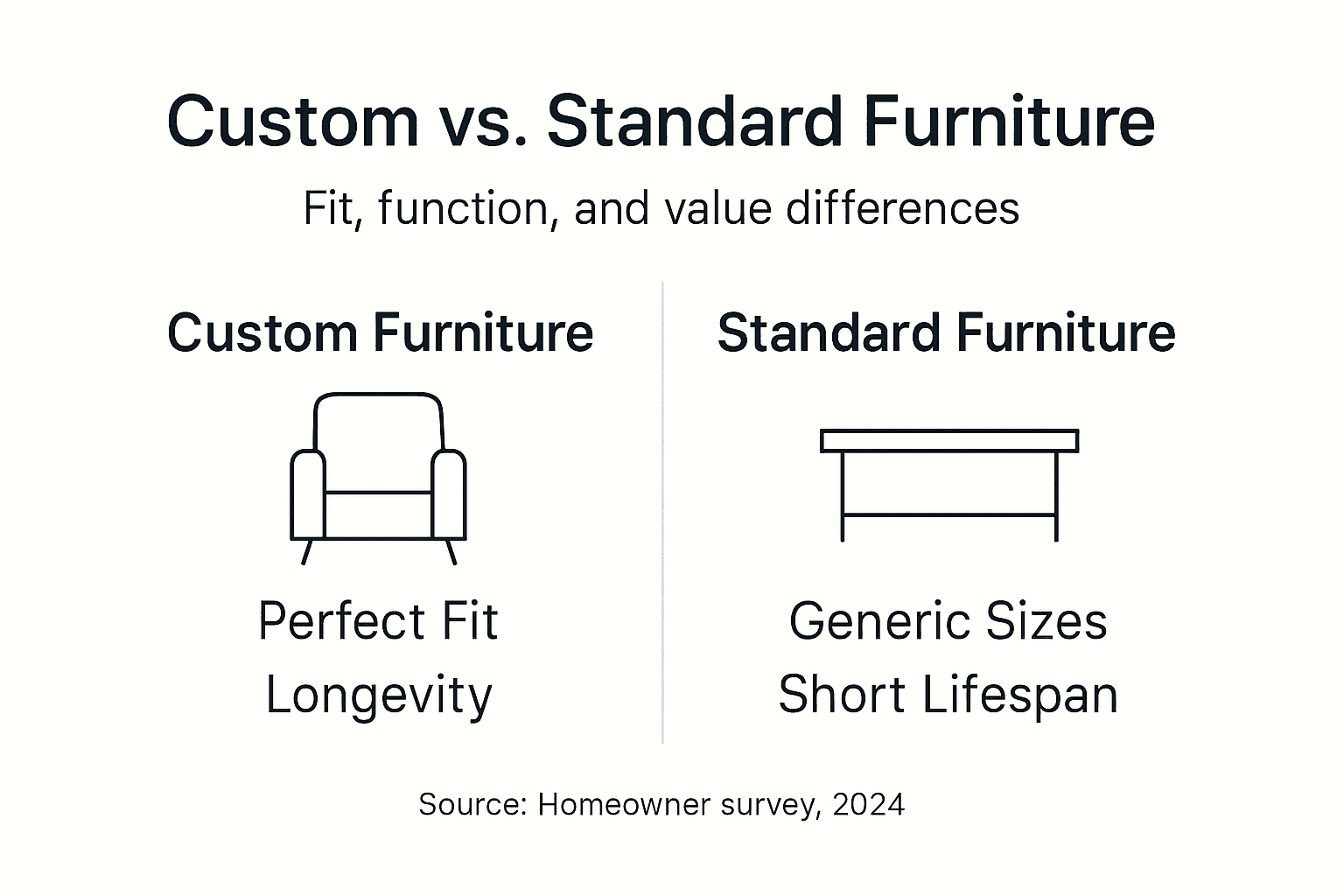
Custom mud lockers increase home resale value by 4-6% due to improved organization and perceived quality. Buyers appreciate built-in storage solutions that demonstrate attention to detail and quality craftsmanship. Custom entryway furniture signals a well-maintained home where owners invested in lasting improvements rather than quick fixes.
| Benefit Category | Custom Furniture Impact | Mass-Produced Furniture Impact |
|---|---|---|
| Organization Efficiency | Tailored storage eliminates 90% of clutter | Generic sizing leaves 40% of items without proper storage |
| Durability Lifespan | 30-50+ years with minimal maintenance | 5-10 years before replacement needed |
| Home Value Addition | 4-6% increase in resale appeal | Minimal impact on buyer perception |
| Daily Convenience | Streamlined routines save 10-15 minutes daily | Frustration from poor fit and function |
| Aesthetic Appeal | Timeless design that improves with age | Dated styles that diminish visual appeal |
Aesthetic enhancement contributes to both enjoyment and value. Custom furniture designed to complement your home’s architecture creates visual harmony that buyers notice. The quality of materials and craftsmanship communicates care and attention, elevating your home’s overall impression.
Daily convenience is perhaps the most undervalued benefit. When your entryway furniture functions perfectly, you save time and reduce frustration every single day. Multiply those minutes across years of ownership, and the cumulative benefit becomes substantial. Custom design eliminates the small annoyances that compound with poorly designed furniture.
Investing in custom mud lockers and entryway solutions pays dividends through improved organization, reduced replacement costs, enhanced home value, and daily convenience. These tangible benefits make custom furniture a smart choice for Maryland homeowners seeking lasting quality and functionality.
Discover Your Custom Entryway Solution with Furniture Design Group
Transforming your entryway starts with a conversation. Furniture Design Group brings over 20 years of custom furniture expertise to Maryland homeowners seeking quality, personalized entryway solutions. Our family-owned company specializes in mud lockers and entryway furniture built to match your exact space, storage needs, and style preferences.
We handle every step of the process, from initial consultation through final installation. You work directly with experienced designers who listen to your requirements and translate them into functional, beautiful furniture. Our craftsmen build each piece in our Maryland workshop using solid hardwoods and time-tested joinery techniques that ensure decades of reliable use.
Schedule your consultation today to explore custom entryway furniture design services tailored to your home. We’ll assess your space, discuss your needs, and develop solutions that enhance organization while complementing your décor. Discover why Maryland homeowners trust our family business for entryway furniture that combines artisanal quality with personalized attention.
Frequently Asked Questions
What factors influence the cost of custom entryway furniture?
Cost depends primarily on size, wood species, finish complexity, and built-in features. Larger pieces with exotic hardwoods and intricate details cost more than compact designs using domestic woods. Hardware quality and the number of specialized storage components also affect pricing. Most designers provide detailed quotes that break down costs, helping you make informed decisions about where to invest your budget.
How long does the custom furniture design and build process usually take?
Typical entryway projects take 6-10 weeks from design approval to installation. Initial consultation and design development require 2-3 weeks. Construction takes 4-6 weeks depending on piece complexity and current shop workload. Local Maryland builders often complete projects faster than national retailers because they control the entire process without shipping delays or corporate bureaucracy.
Can custom furniture be adapted if my needs or style change later?
Solid wood construction makes custom furniture highly adaptable. Craftsmen can add hooks, adjust shelving heights, install new hardware, or refinish surfaces to update appearance. This flexibility extends the useful life of your furniture and allows it to evolve with your changing needs. Mass-produced particleboard furniture typically cannot be modified without damage.
What is the warranty or guarantee on artisanal custom furniture?
Reputable builders offer warranties covering construction defects and material failures, typically ranging from 1-5 years. The warranty should specify what is covered and the process for addressing problems. Quality custom furniture rarely requires warranty service due to superior materials and craftsmanship, but the guarantee provides peace of mind and demonstrates the builder’s confidence in their work.
How do I prepare my space before a designer’s consultation?
Clear the entryway area to allow accurate measurements and unobstructed views. Take photographs from multiple angles showing the space in context. List everything you need to store, including dimensions of larger items like sports equipment. Note any concerns about current furniture or storage solutions. This preparation helps designers understand your situation quickly and develop better solutions during the custom furniture consultation.